Home Sweet Home

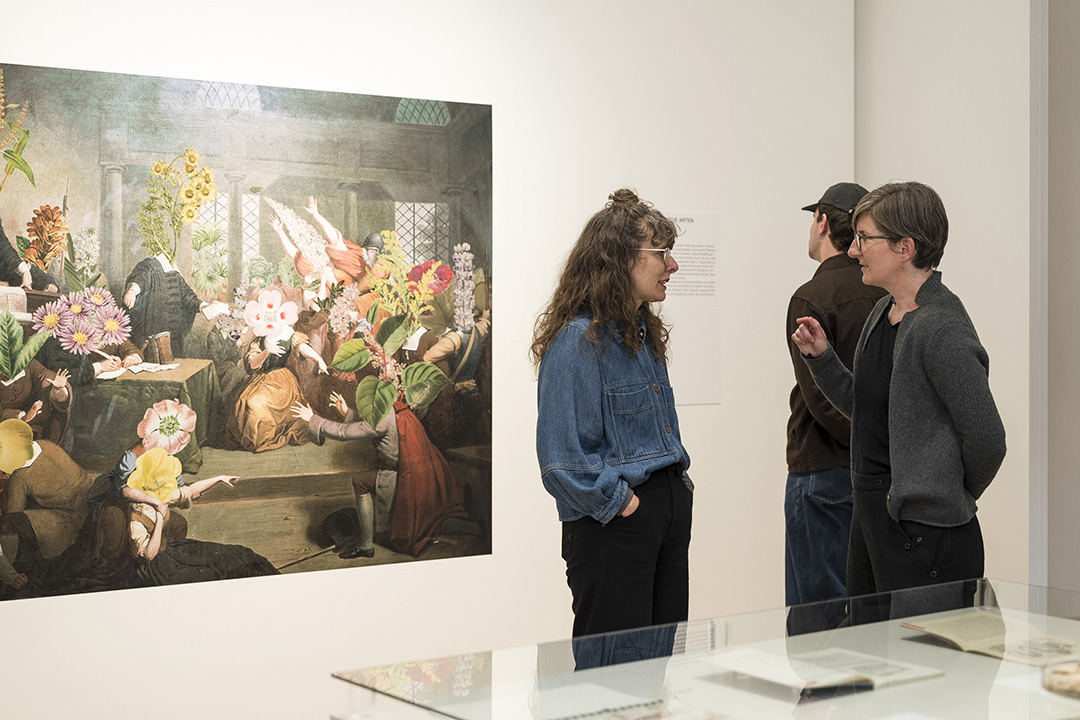
The “home sweet home,” at once intimate and universal, is the space of everyday life. An architectural space that represents the possibility of re-establishing a direct link between our most authentic needs and the environments to be designed. A space that also represents the relationship between home and work, male and female, production and reproduction, public and private. Building on the history of our institution and its International Exhibitions, the show reaches into the contemporary, with the reconstruction of site-specific environments and installations by international architectural firms, groups and research centers in dialogue with thematic historical sections. From the transformation of gender roles to the evolution of the relationship with nature within the domestic space to the influence of technology on the way of living, the themes of the projects on display generate an open reflection on the idea of home and the inhabitants of a place whose experimentations are capable of conveying new languages, new ethical aspirations and new programs for architecture.
      Many of the ornamental plant species with which we share the domestic space, taking care of them daily without wondering too much about their origin, were imported to Europe from exotic climes, generating what Céline Baumann defines as a “cognitive dissonance between the decorative aspect of potted plants and a brutal colonial history.” The installation sheds light on the origins of those species and the journeys they have had to make to intertwine with our lives and will prove useful for at least two reasons. On the one hand, it will help us to better understand that our way of relating to nature has profound political and ecological implications, even when we are at home. On the other it will make clear, yet again, that the notion of “home sweet home” is a cover—and has been for centuries—for much bitterness and countless daily abuses: expressions of the habitual domination of one gender over another and of one species over others, which today are no longer sustainable.

Photography: Melania Dalle Grave / Triennale Milano

→ Flowers of Evil publication

Trial of Invasives

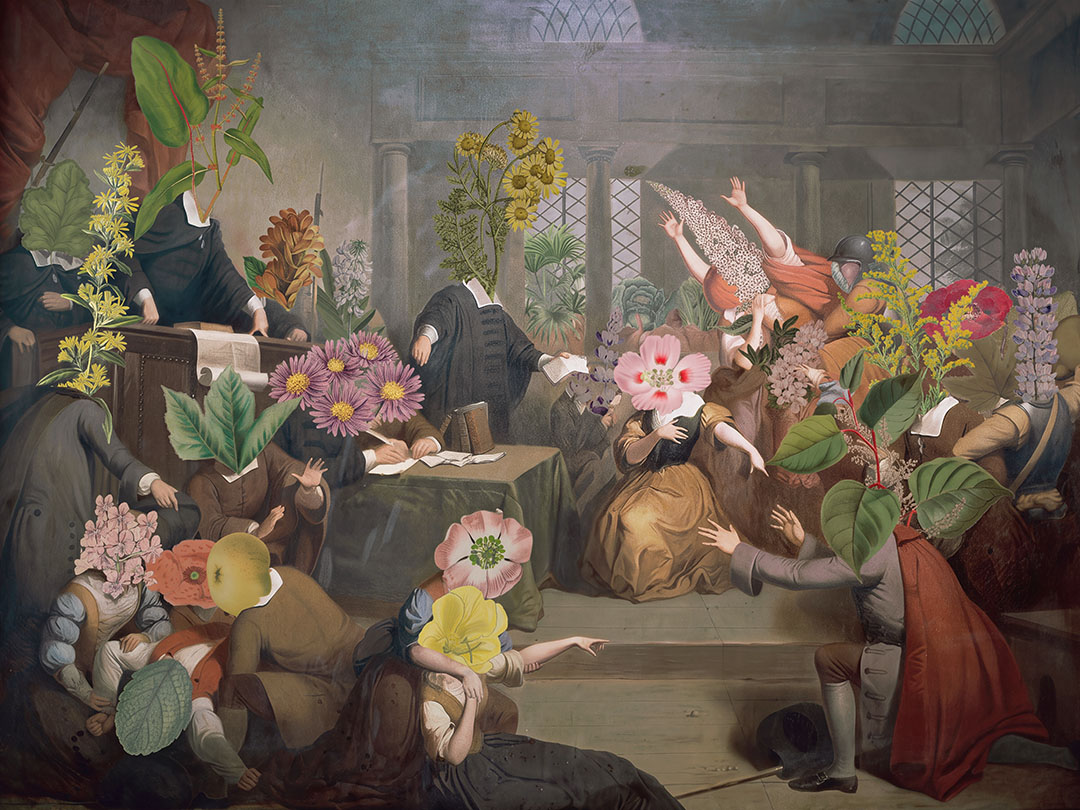
The depicted courtroom scene is rather chaotic: a pink evening primrose (Oenothera speciosa) accuses a Japanese knotweed (Reynoutria japonica) of invasion. Summer lilac (Buddleja davidii) and Canada goldenrod (Solidago canadensis) protest vehemently. On the left of the picture the broad-leaved dock (Rumex obtusifolius) judge and the common ragwort (Jacobaea vulgaris) attorney are both standing in a menacing attitude, while a mint leaf is fainting in the foreground. The crowd in the gallery background, including a Chinese windmill palm (Trachycarpus fortunei), fearfully observes the scene in silence.

Urban flora is flourishing, but this is not regarded positively by everybody: weeds are accused to damage buildings with their roots, other plants are very quickly to propagate thanks to seed dispersal or a highly resistant root network. Some of this spontaneous flora also comes from faraway locations and is labelled as “neophyte” in opposition to the local vegetation which is referred to as “endemic”. A few of those neophyte plants have indeed been very successful to develop in their new human-made habitats and have therefore been labelled as invasive. Nowadays Japanese knotweed is one of the most emblematic invasive neophytes, due to its omnipresence as well as the quasi-indestructibility of its rhizomatic system. But invasion is not a phenomenon reserved to foreign species. Indigenous plants can also become problematic in their own environment, such as the common ragwort which is a common wildflower native to Europe but often unwanted as it can be toxic to cattle and horses, or the broad-leaved dock, a hardy plant that is native to Europe but considered as highly invasive due to abundant seed dispersal, an aggressive root system, and a great adaptation to most climates. There has been in the past some examples of non-human trials, where donkeys and sows have been used as scapegoats of our own human actions. Is something similar happening today with plants?

Digital collage, Céline Baumann, 2025
Based on The Trial of George Jacobs of Salem for Withchraft, painted by Tompkins H. Matteson in 1855.

Neue Wildnis

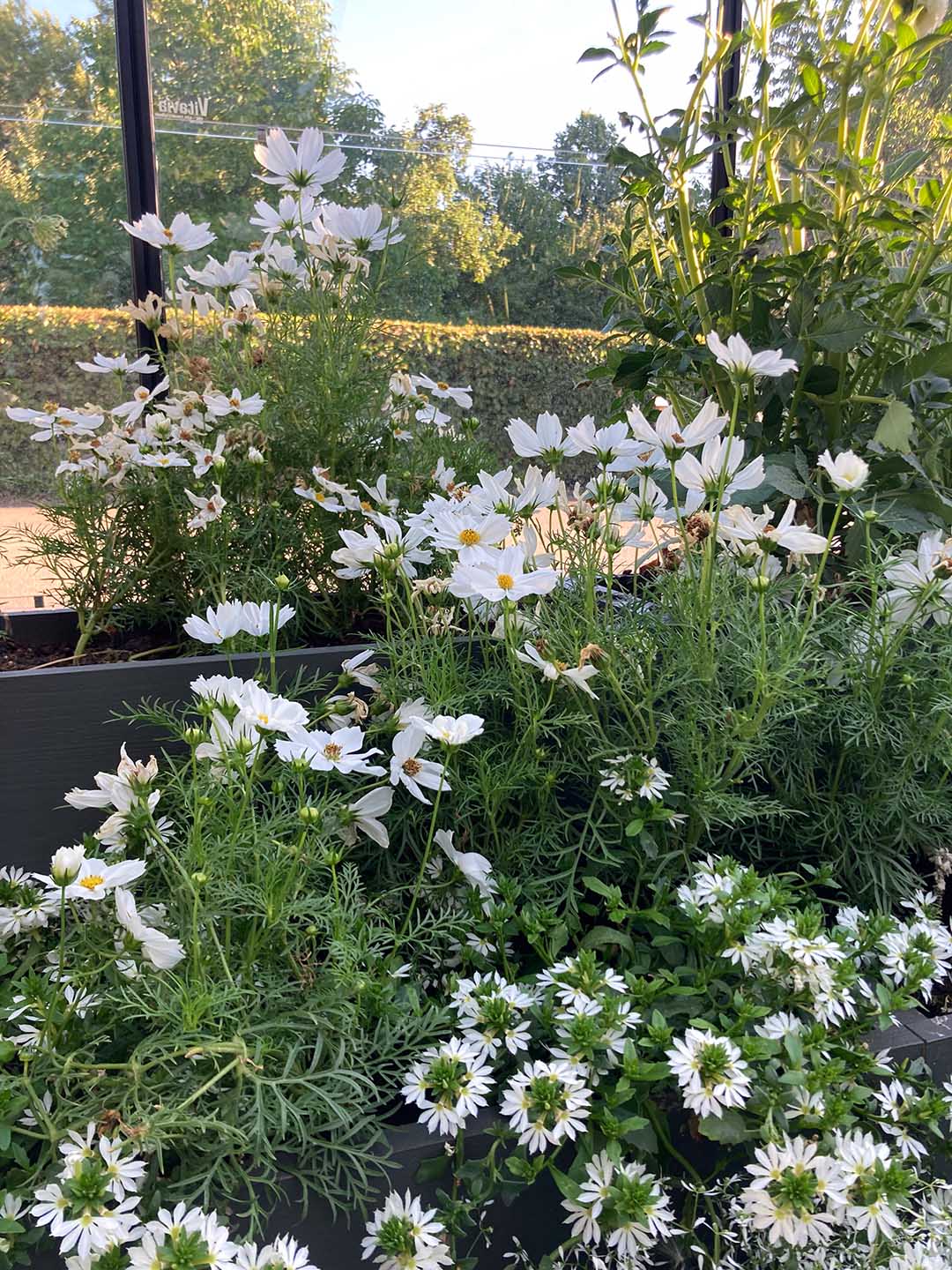
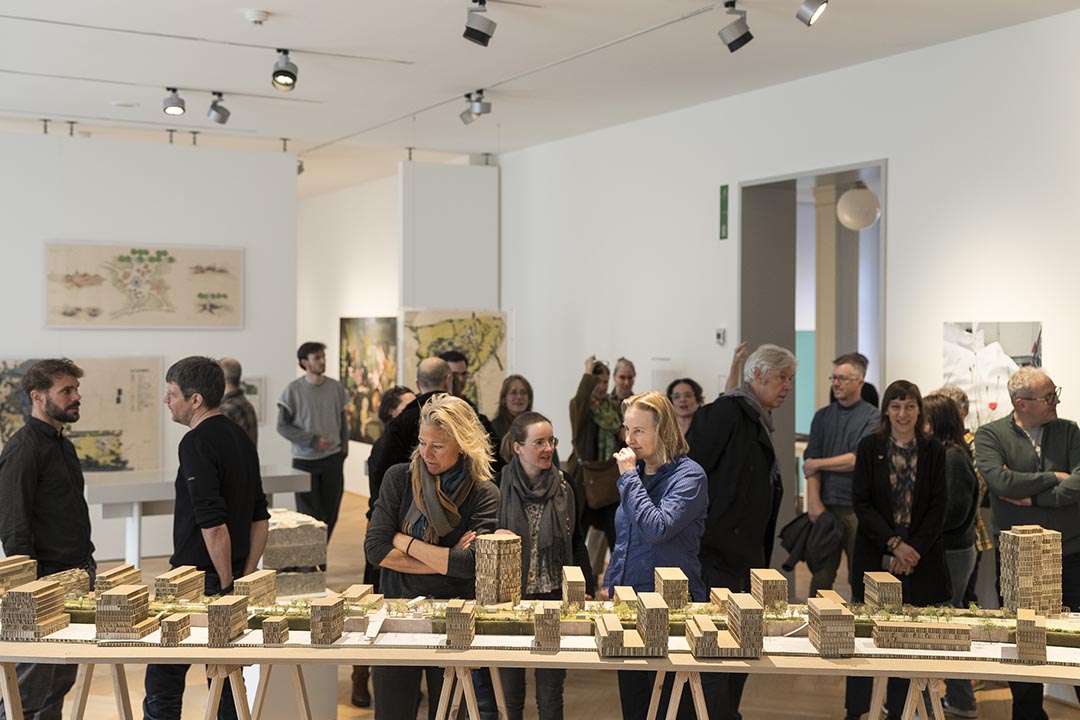
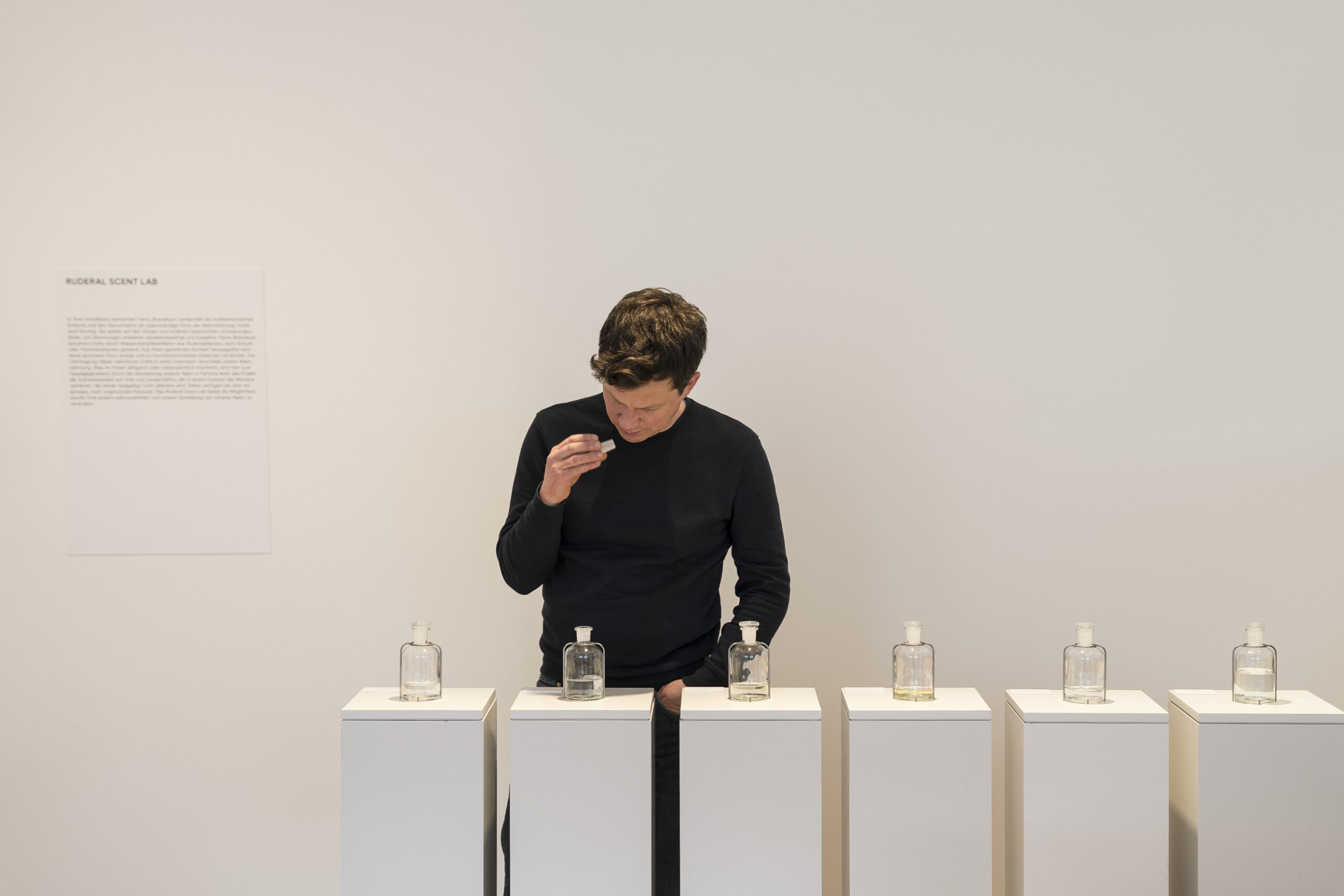
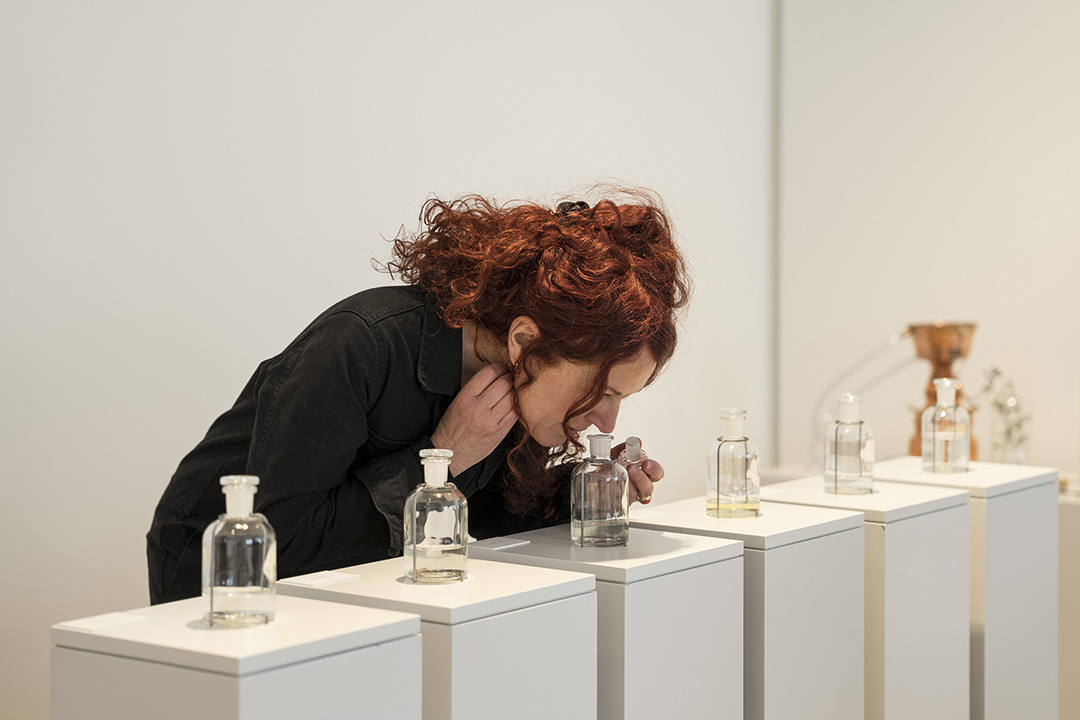
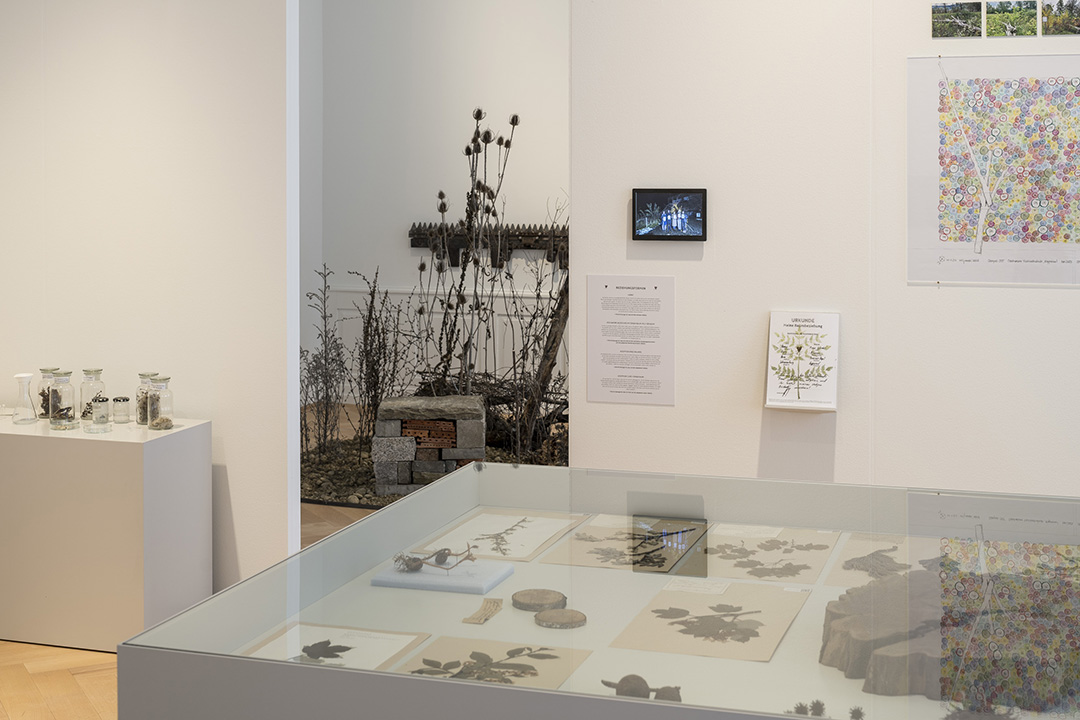
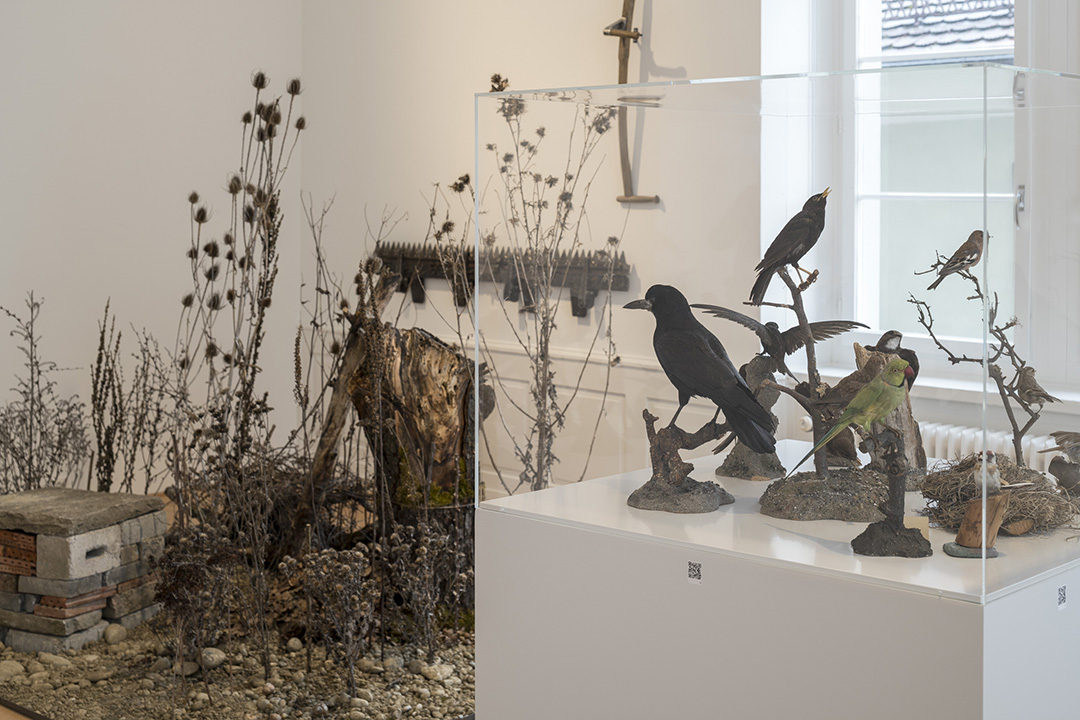
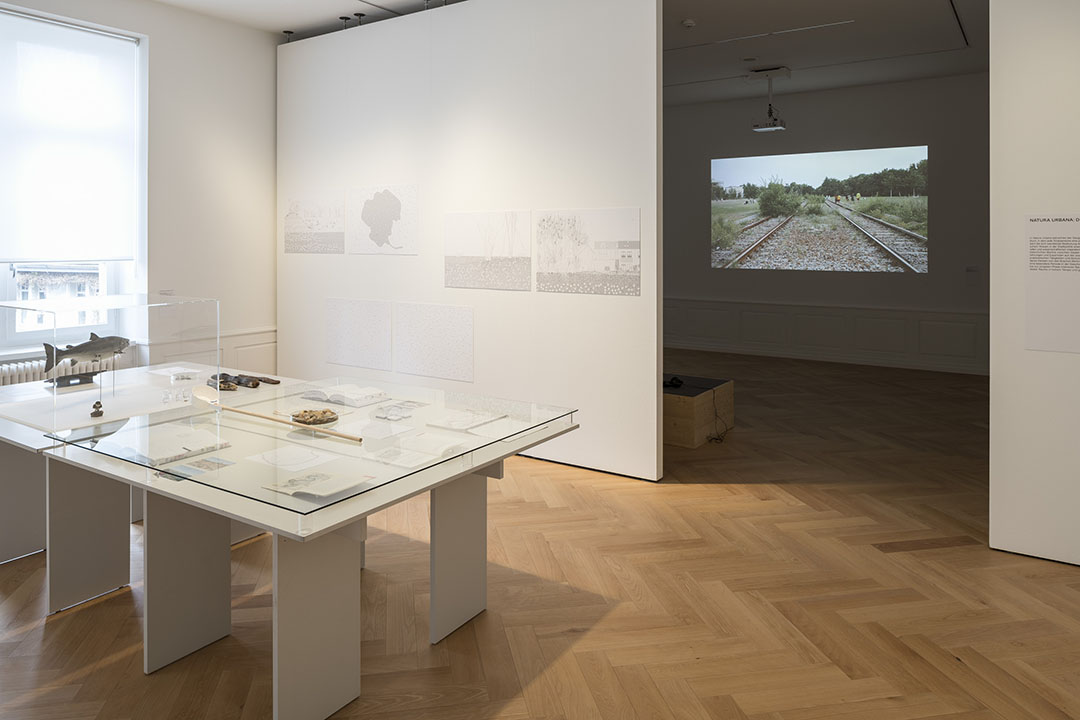
EN   Cities are not only good places for humans to live, they are also called homes by many animal and plant species that find suitable substitute habitats there. Pioneer trees on brownfields, ruderal landscapes along train tracks, non-native species spreading along the highways, spontaneous herbs growing between pavement cracks… We are surrounded within our urban landscapes by a spontaneous vegetation, which takes opportunity of the diversity of urban ecological niches in order to live an untamed existence. The term new wilderness was coined by the German botanist and urban ecologist Ingo Kowarik, to refer to this novel type of ecologies that results both from natural and cultural processes.
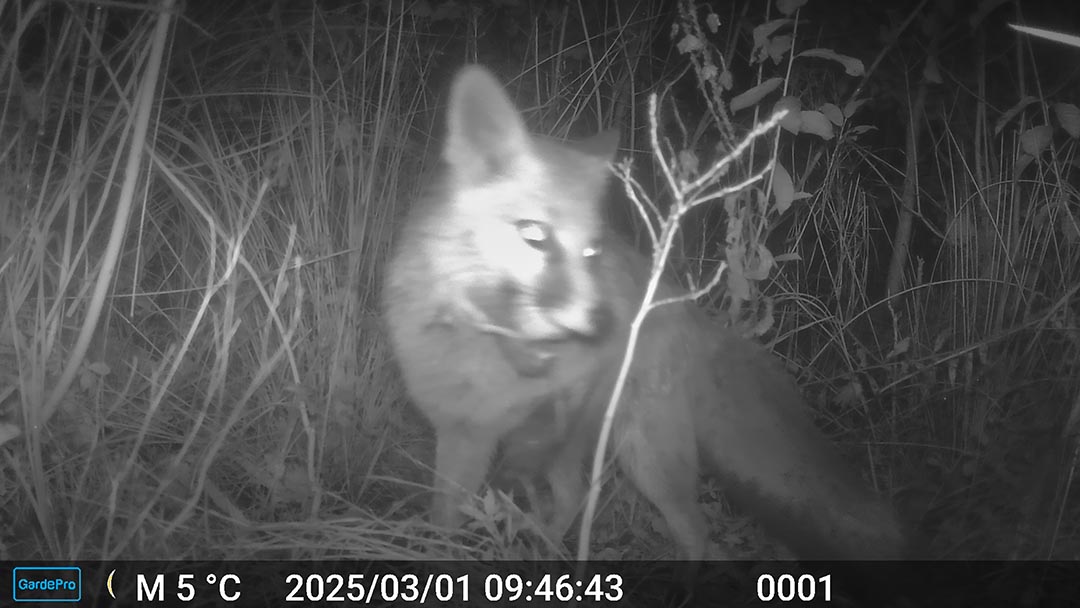
      Urban fauna and flora render valuable ecological services including storing rainwater and releasing it into the atmosphere, creating local cooling islands and welcoming shade, offering habitat for insects, birds, and small mammals, cleaning the air of dust producing oxygen, counteracting soil compaction, and increasing soil biodiversity. All of those benefits deserve today to be fully acknowledged as they offer the chance to shape resilient ecosystems beneficial not only to other living beings but also to our human species. Fostering this different type of Nature enables the possibility of creating a place where we can not only nurture life in general, but also and more especially encourage an emancipated kind of life, where plants are recognized to have a value of their own, beyond how valuable they are to us. This offers the tremendous potential to shape an innovative and hopeful approach to our contemporary landscapes, one both ecologically conscious and devoid of nostalgia.

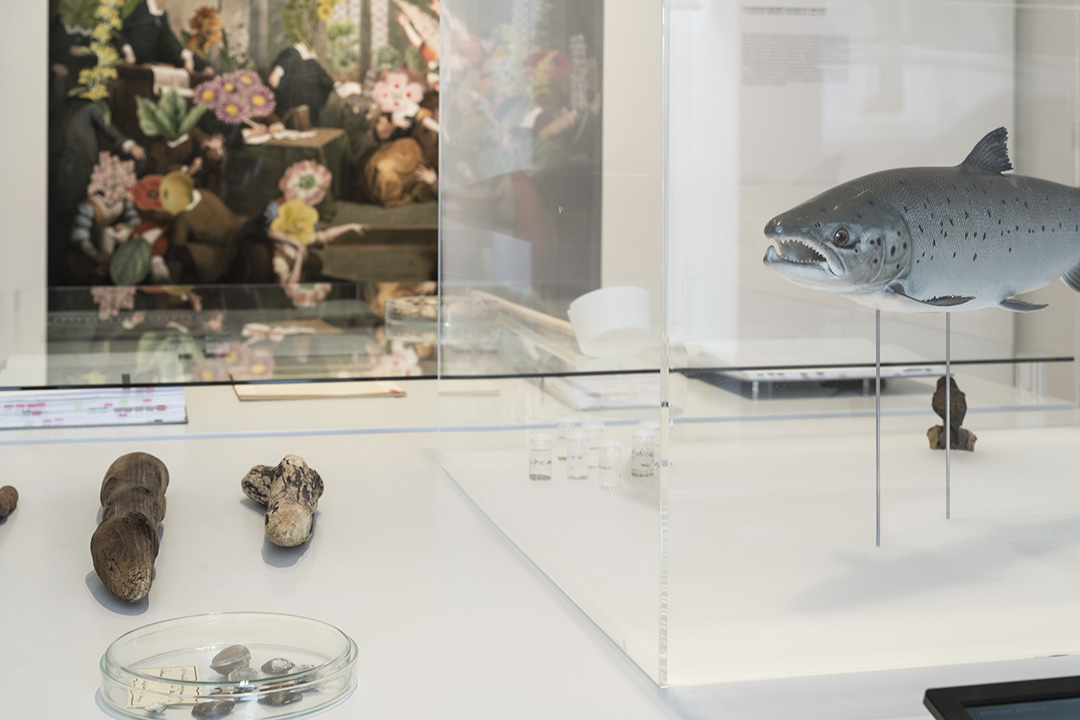
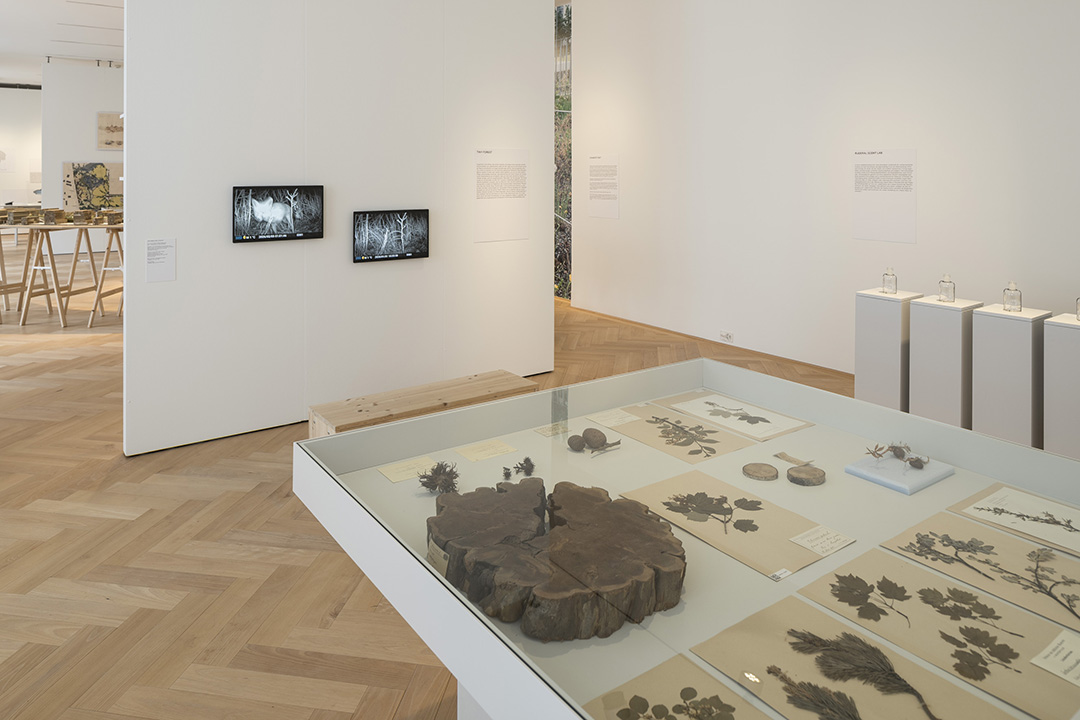
DE   Im urbanen Umfeld macht sich zunehmend eine Spontanvegetation breit, die jede verfügbare ökologische Nische nutzt, um ein ungezähmtes Leben zu führen: Kräuter zwischen Pflastersteinen, seltene Pflanzen auf Brachen, wilde Gewächse und nicht heimische Arten entlang von Bahngleisen oder Autobahnen. Das Gewerbemuseum Winterthur rückt die einzigartigen Qualitäten dieser besonderen Art von Natur in den Fokus und zeigt das Potenzial solcher Stadtlandschaften auf. Überraschende Kräuter, die zwischen Pflastersteinen wachsen, Pionierbäume auf brachliegenden Grundstücken, seltene Pflanzenarten auf ungenutztem Ödland, wilde Gewächse entlang der Bahngleise, nicht heimische Arten, die sich an den Rändern der Autobahnen ausbreiten.
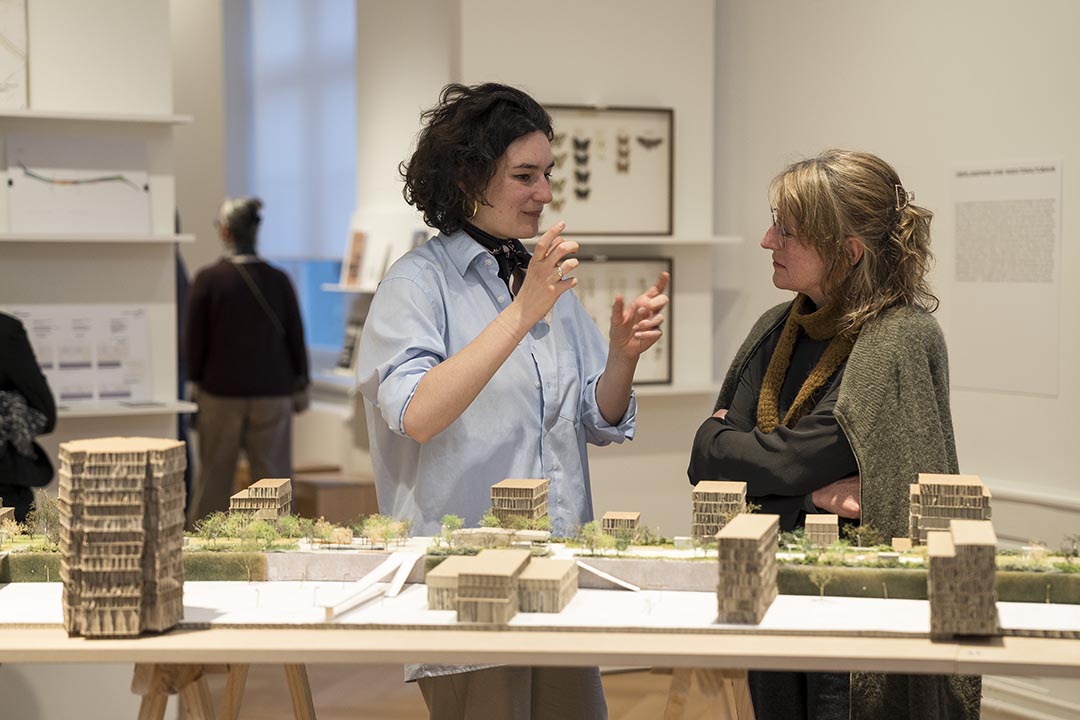
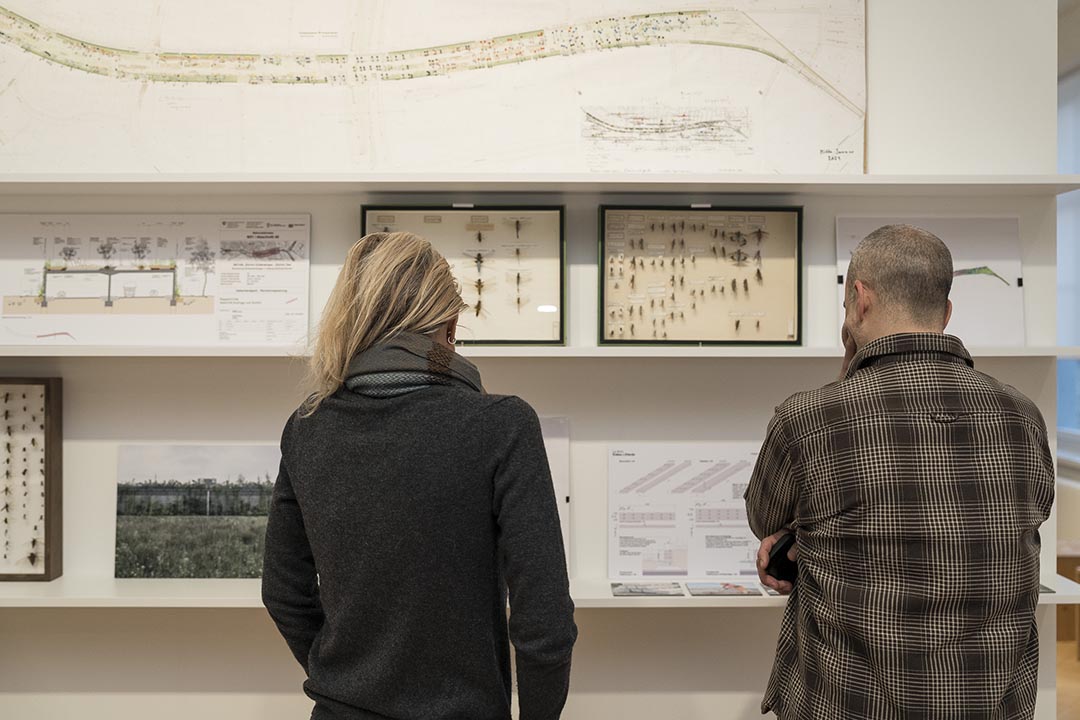
      Wir sind in unserem urbanen Umfeld von einer Spontanvegetation umgeben, die jede verfügbare ökologische Nische nutzt, um ein ungezähmtes Leben zu führen. Diese besondere Art von Natur verdient es heute, nicht nur für ihre einzigartigen Qualitäten gewürdigt, sondern auch gefördert zu werden. Sie bietet das Potenzial, einen hoffnungsvollen Ansatz für unsere heutigen Stadtlandschaften und Lebenswelten zu entwickeln, der sowohl ökologisch bewusst als auch frei von Nostalgie ist. Die Ausstellung «Neue Wildnis» präsentiert ausgewählte Projekte aus Landschaftsarchitektur, Forschung und Ökologie, die mit innovativen Perspektiven eine neue Wildnis fördern und ein zukunftsweisendes Verständnis von Stadtnatur teilen.

New Wilderness is curated by Studio Céline Baumann in collaboration with the Gewerbemuseum Winterthur.

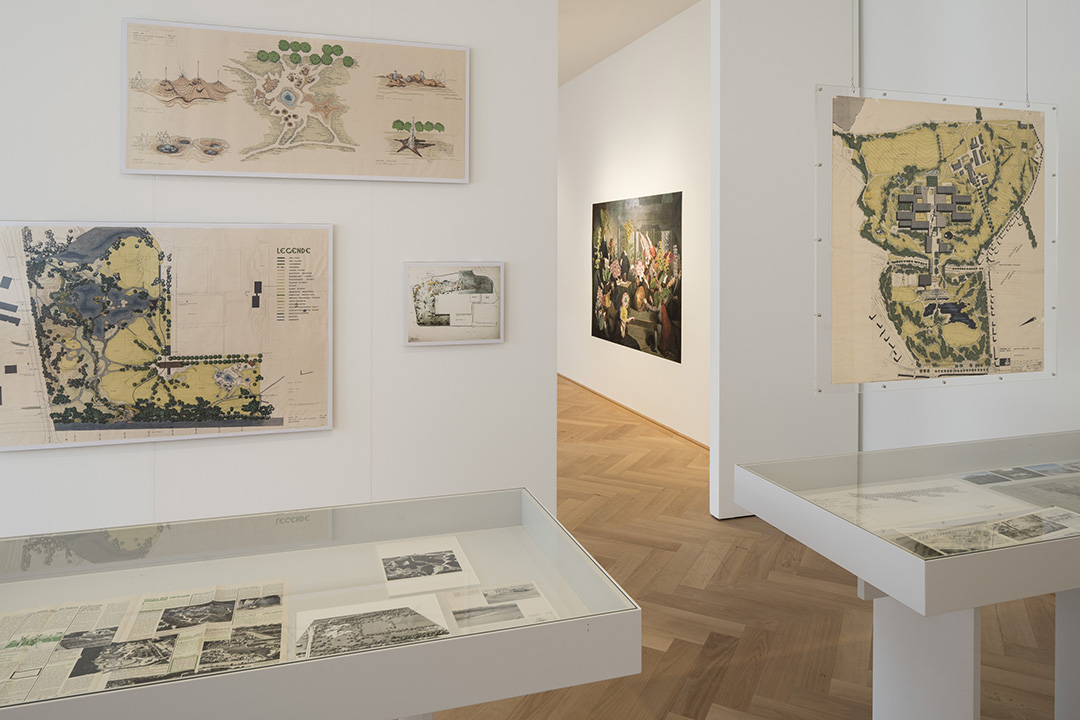
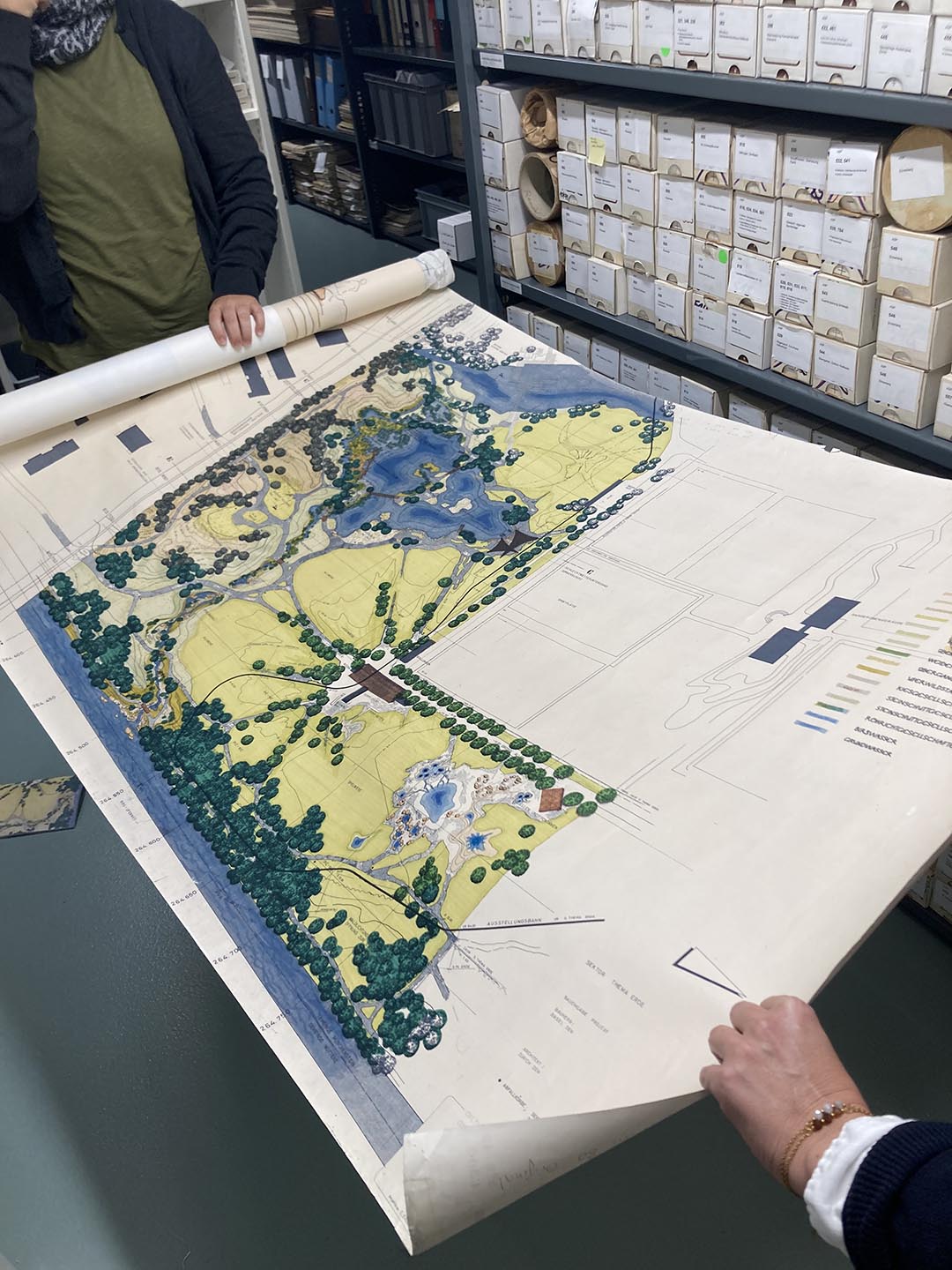
With projects and loans from: Archiv für Schweizer Landschaftsarchitektur; Céline Baumann; Fanny Brandauer; Matthew Gandy: Johanna Just; Franziska Klose; Krebs und Herde; Winterthur Nature Museum; OST, Rapperswil; Stadtgrün Winterthur

Photography: Michael Lio
Team SCB: Céline Baumann, Hannah Ehre

→ Read the review in the Hochparterre by Maarit Ströbele, 2026 (German) 
→ Listen to the interview from Kaa Linder for SRF (German)

​

Flowers of Evil

“Many of the ornamental plant species with which we share the domestic space, taking care of them daily without wondering too much about their origin, were imported to Europe from exotic climes, generating what Céline Baumann defines as a ‘cognitive dissonance between the decorative aspect of potted plants and a brutal colonial history.’
      The artist and landscape architect sheds light on the origins of those species and the journeys they have had to make to intertwine with our lives. This small yet invaluable collection of stories will prove useful for at least two reasons. On the one hand, it will help us to better understand that our way of relating to nature has profound political and ecological implications, even when we are at home. On the other it will make clear, yet again, that the notion of ‘home sweet home’ is a cover – and has been for centuries—for much bitterness and countless daily abuses: expressions of the habitual domination of one gender over another and of one species over others, which today are no longer sustainable.” Nina Bassoli, curator Triennale Milano
→ Read pdf