Studio Céline Baumann

  • Practice
  • Research
  • Info
Exhibitions Publications
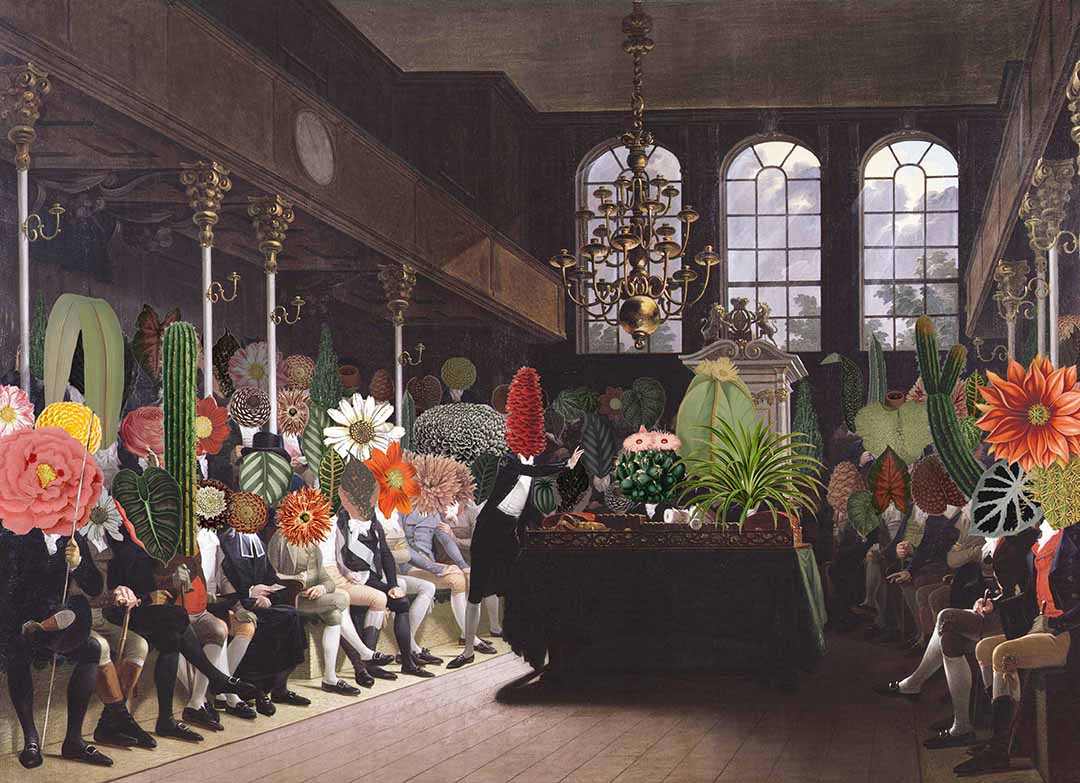
Royal Academy of Arts London Parliament of Plants Display Exhibition What is radical today House of Commons Karl Anton Hickel

Parliament of Plants

Time Frame 2019
Exhibitions Nieuwe Instituut 2024, Vitra Design Museum 2023, Royal Academy of Arts London 2019

The Parliament of Plants proposes an urban environment where the wisdom of plants is highly valued for their knowledge of social and economic biotopes, as well as their deep understanding of natural processes.
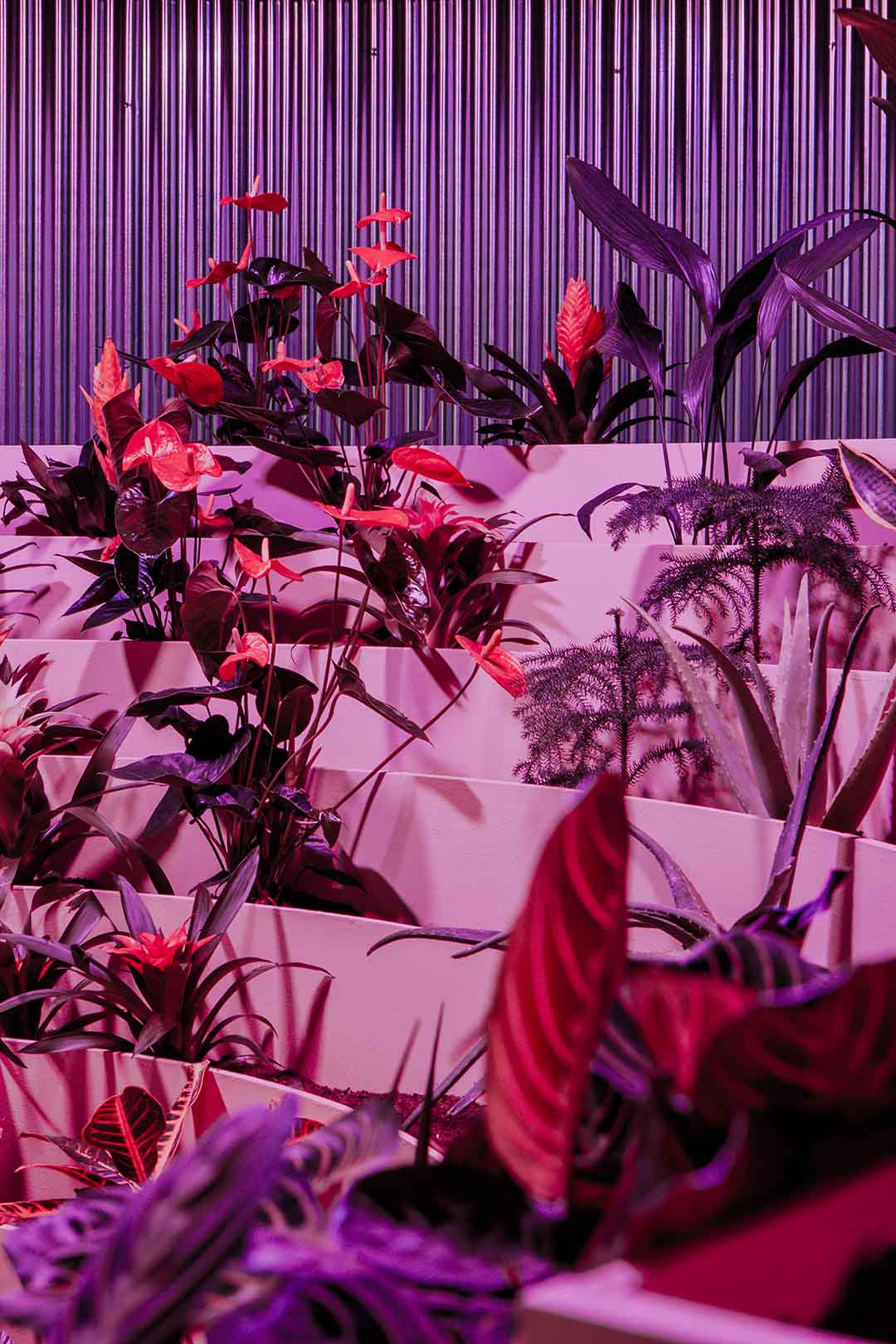
Matadero Doce fábulas urbanas twelve cautionary urban tales Madrid Ethel Baraona Pohl César Reyes Taller de Casquería Naranjo-Etxeberría Superstudio parliament of plants

Twelve Cautionary Urban Tales

Location Madrid, Spain
Time Frame 2020–2021
Exhibitions Matadero

Taking inspiration from the project “Twelve Cautionary Tales for Christmas,” by the group of radical architects Superstudio, first published in 1971 in the magazine Architectural Design, Twelve Cautionary Urban Tales is an exhibition that raises new narratives in the way we talk about the city.
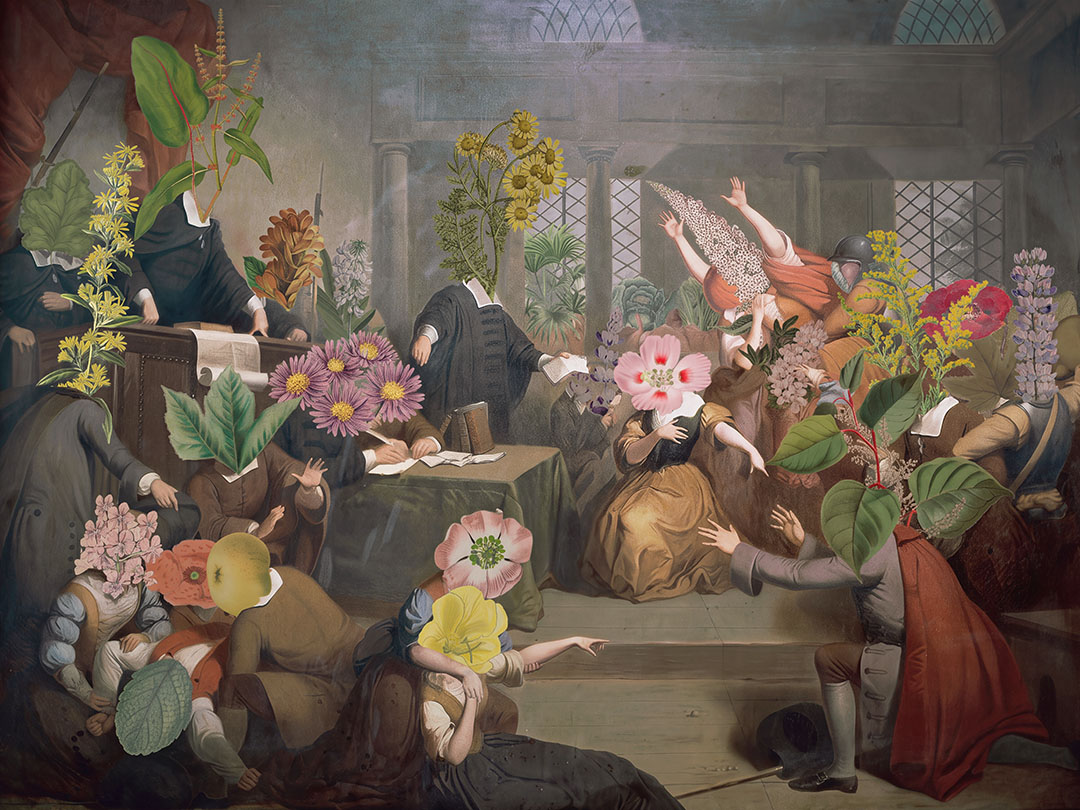
Trial of Invasives

Time Frame 2025
Exhibitions Gewerbemuseum Winterthur 2026, Kunst Raum Riehen 2026

Trial of Invasives reflects on the status of a flora declared as foreign and invasive, and therefore undesirable, and to the current tendency it reflects to retreat behind nationalistic patterns.

Queer Nature

Time Frame 2019–2021
Exhibitions Biennale für Freiburg 2025, Manifesta 14 2022, Kunstmuseum Liechenstein 2020, Viper Gallery Prague 2019, Oslo Architecture Triennale 2019
Awards Nomination Future Architecture Platform 2019

Queerness in nature can be found everywhere. This ongoing investigation explores the little known, disregarded, and rare intimate behaviour of the botanical world.

Home Sweet Home

Location Milano, Italy
Time Frame 2023
Exhibitions Triennale Milano

Many of the ornamental plant species with which we share the domestic space, taking care of them daily without wondering too much about their origin, were imported to Europe from exotic climes, generating a cognitive dissonance between the decorative aspect of potted plants and a brutal colonial history.
Neue Wildnis

Location Winterthur, Switzerland
Time Frame 2025–2026
Commission Type curation
Exhibitions Gewerbemuseum Winterthur

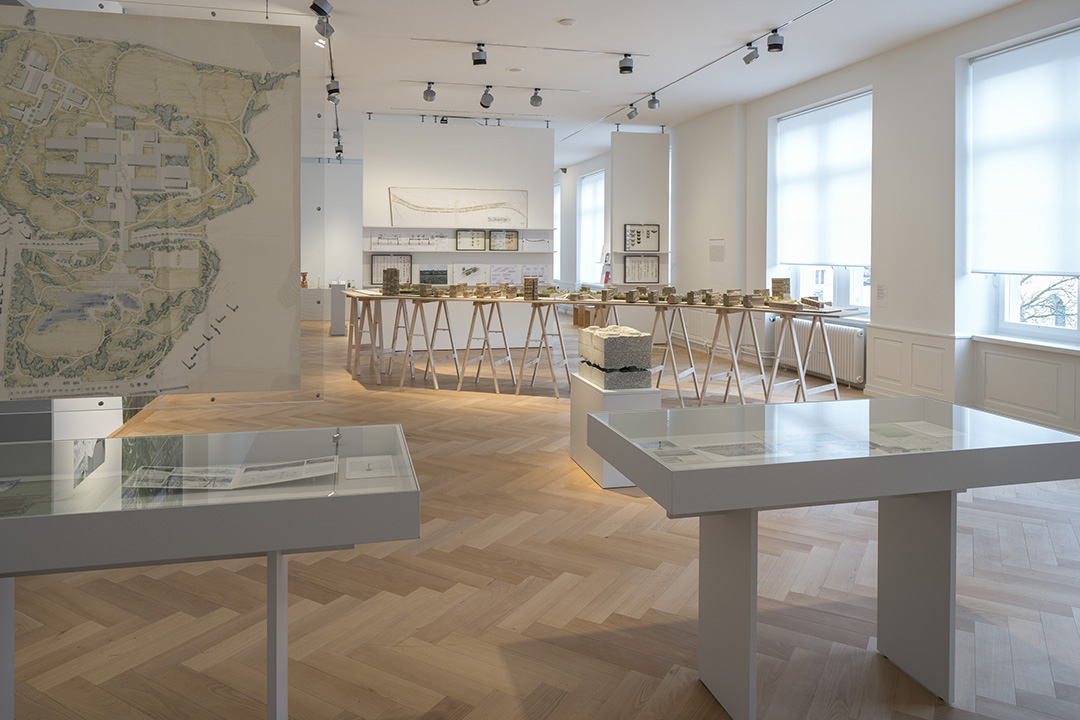
The New Wilderness exhibition presents the innovative perspectives of a select group of landscape architects, researchers, artists, and ecologists whose practices share a forward-looking understanding of their disciplines and who are fostering novel type of ecologies.

Ramification

Location Kriens, Switzerland
Time Frame 2024
Commission Type curation
Exhibitions Museum im Bellpark

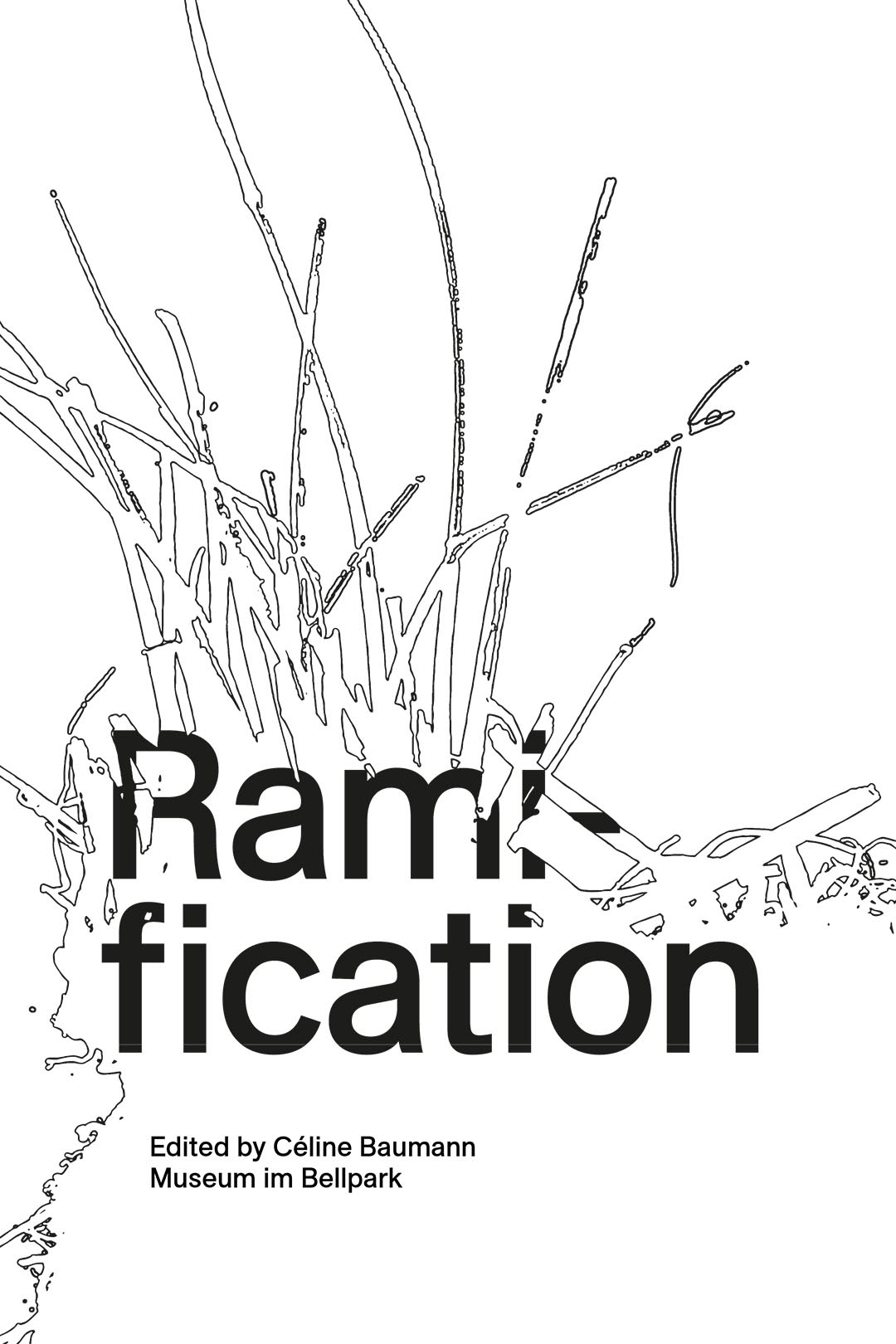
The show displays the work of selected contemporary European landscape architects and urbanists who are working at territorial scale to develop network of open spaces, striving to create bridges between otherwise disconnected ecologies and territories.
Gardens Without Boundaries: Straddling the Line Between Wild and Domesticated

Valiz
2026

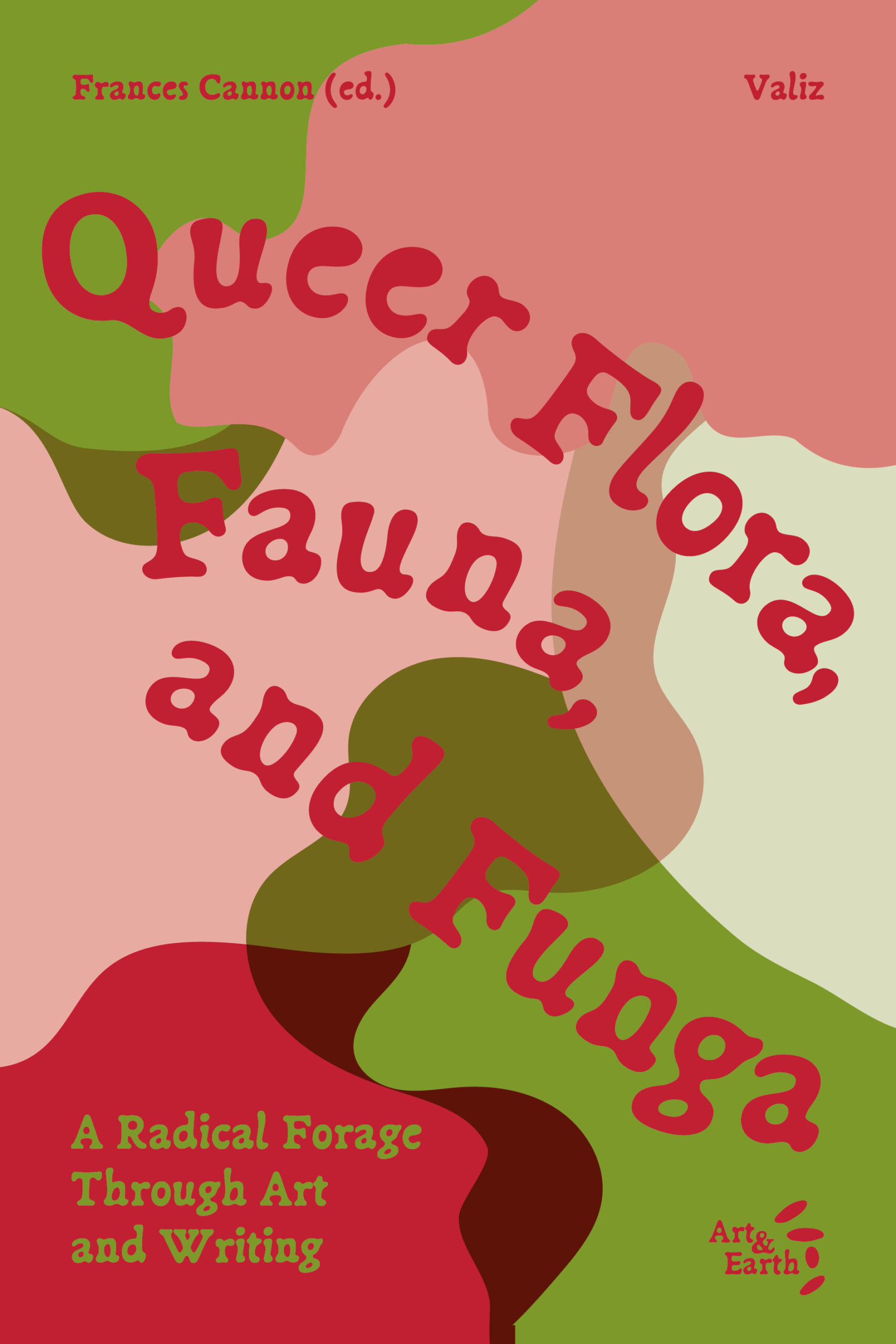
Queer Flora, Fauna, and Funga is an eclectic and transdisciplinary anthology, highlighting the sexual and gender diversity in nature. Queer theory and natural history intersect through visual art and creative writing.

Ramification

Museum im Bellpark
2025

Recipient of the Julius Posener Exhibition Catalogue Award 2026 from the International Committee of Architectural Critics CICA.

We are familiar with the idea of ramification from botany: in the case of the tree, aboveground elements like limbs and twigs visibly branch out in order to enlarge the overall leaf surface and thereby maximize processes of photosynthesis.

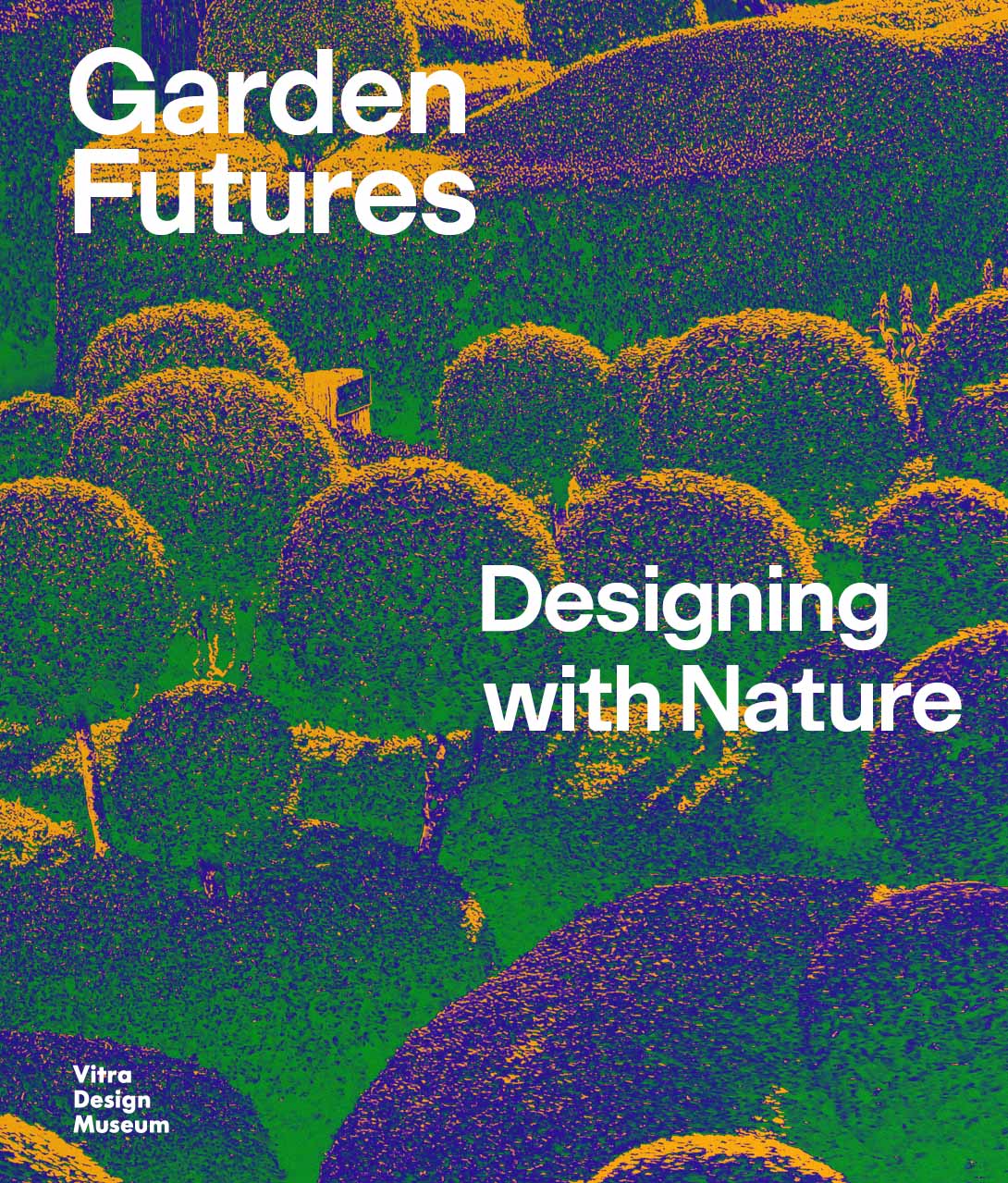
“Human Habitats Need to Accommodate Other Living Beings”

Vitra Design Museum
2023
Interview by Viviane Stappmanns

Landscape architect Céline Baumann designs urban environments, but she also maintains a prolific practice as an artist and educator. Her Basel-based studio is committed to research on plant life and interrelations with humans. Her intersectional lens in turn informs her design work, in which she aims to create dynamic open spaces that respect the ecology of both humans and nature.

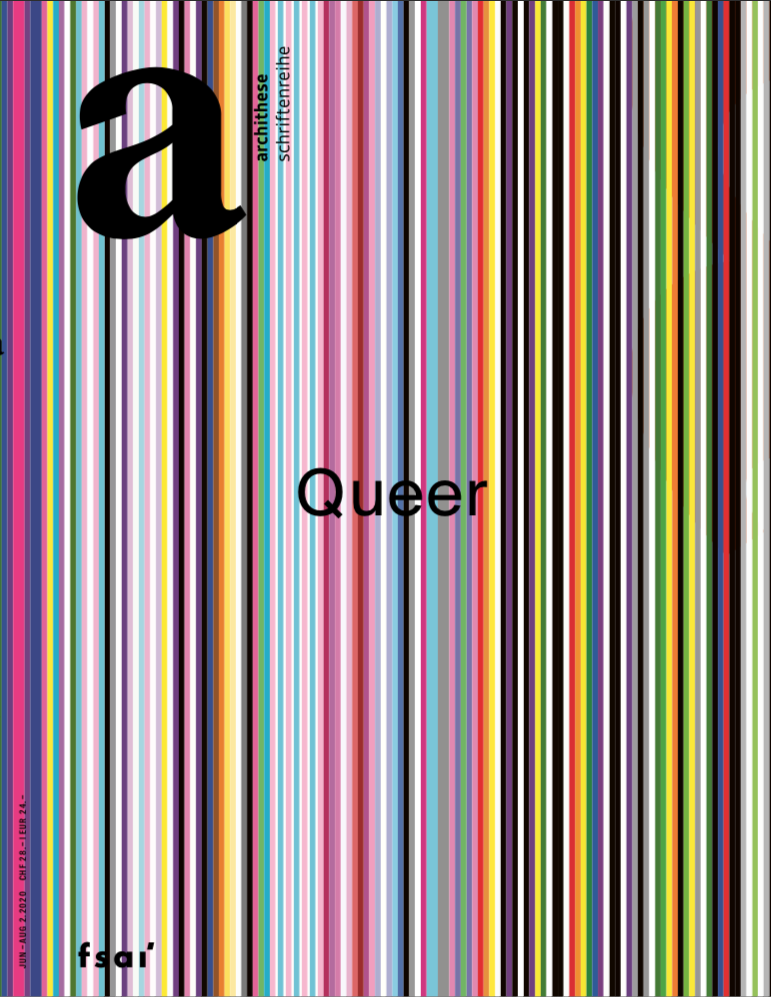
Queer Nature: A Post-Anthropocene View on Plants and People

queer nature archithese

archithese
02.2020

The Queer Nature project explores the little-known, often-overlooked and rare intimate behavior of the botanical world. Inscribed in “a field that doesn’t quite exist,” it investigates the relationships between ecological thought and queer theory. By presenting the diversity of the vegetable kingdom, it celebrates the multitude of shapes, gender, sexes and colors around us, challenging the belief that matter and intelligence are dissociated.

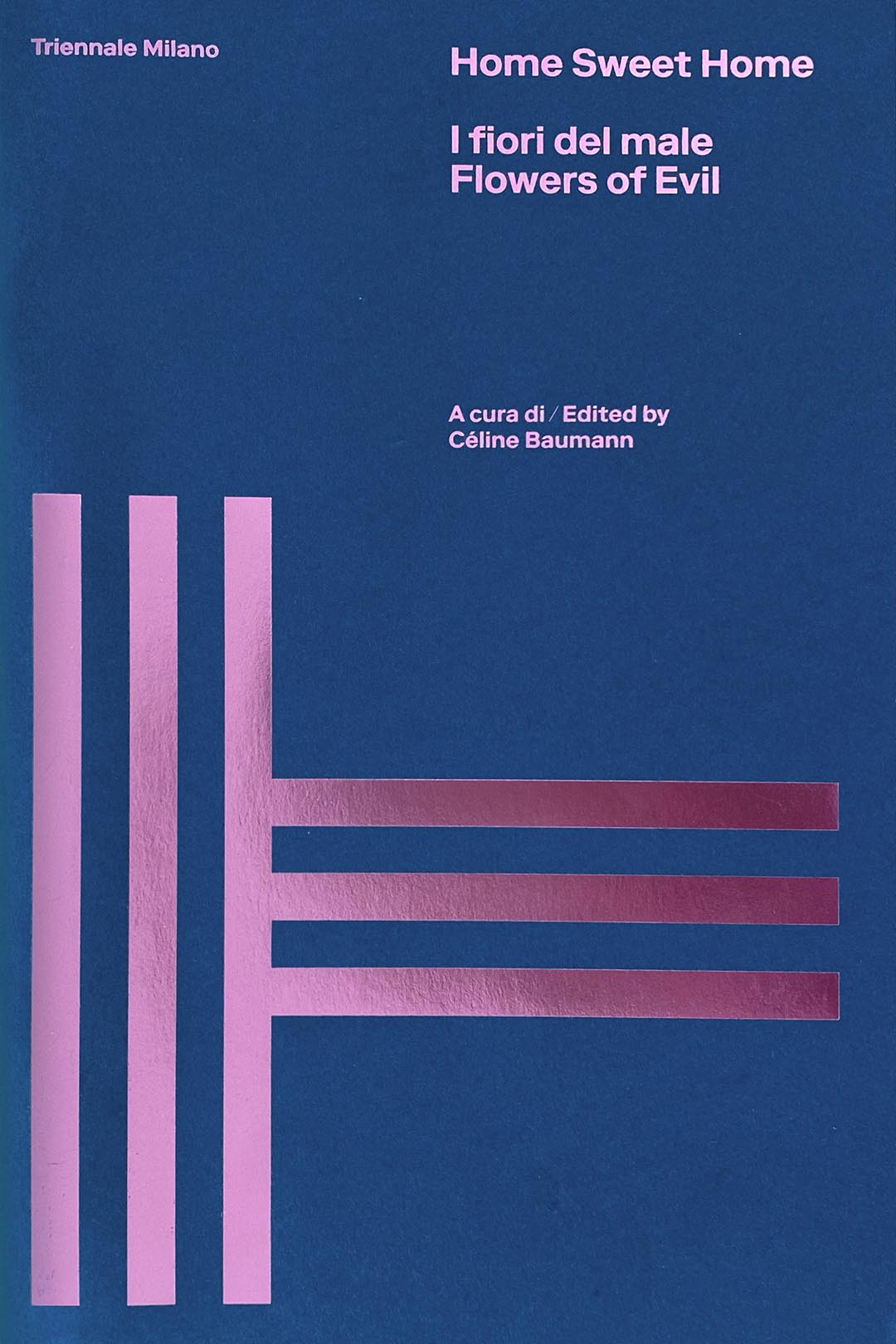
Flowers of Evil

Triennale Milano
2023

Many of the ornamental plant species with which we share the domestic space, taking care of them daily without wondering too much about their origin, were imported to Europe from exotic climes, generating what Céline Baumann defines as a “cognitive dissonance between the decorative aspect of potted plants and a brutal colonial history.”

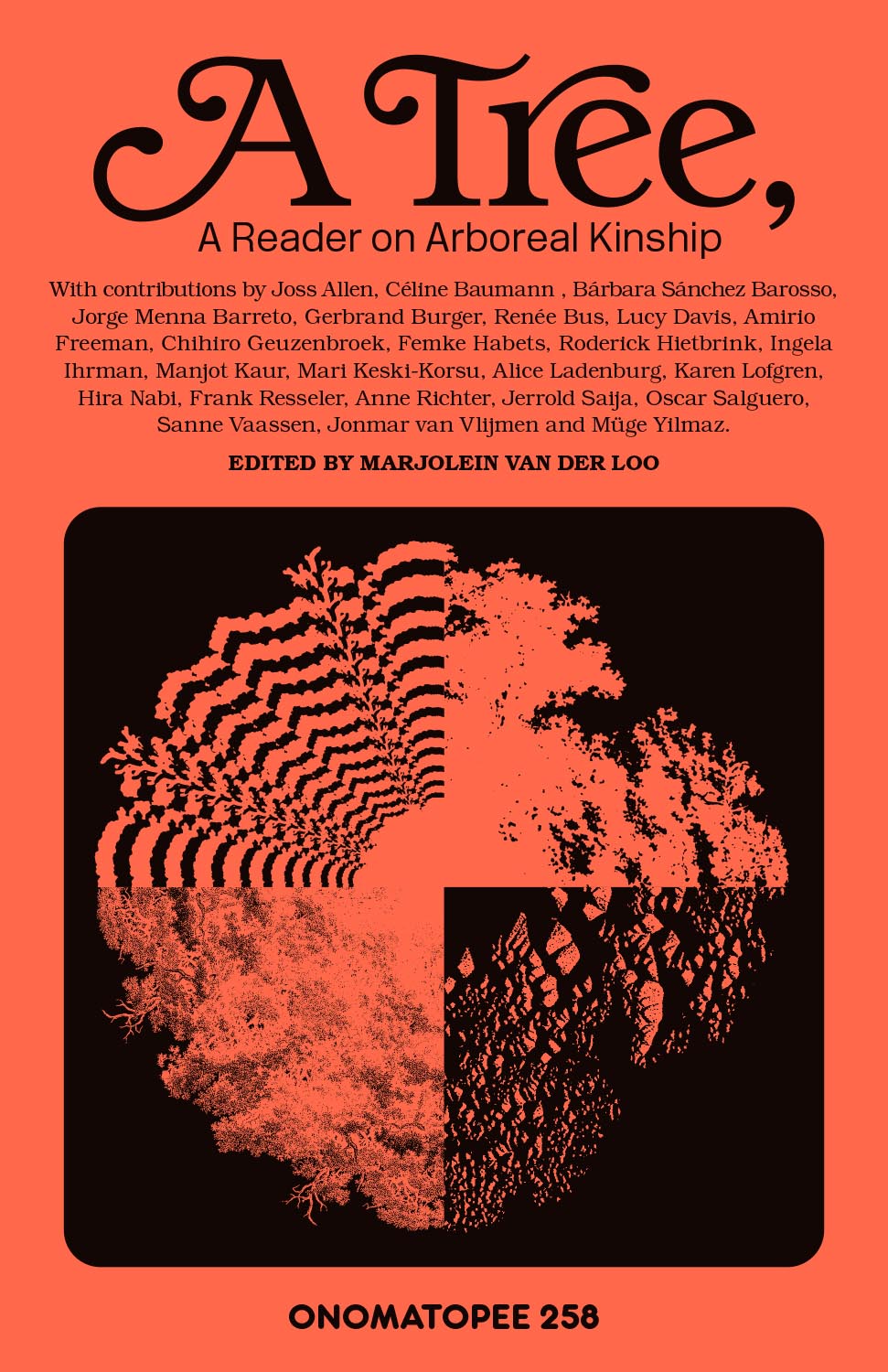
Everything Goes in Nature: Learnings From the Plant Kingdom

Onomatopee
2024

A Tree, is about vegetal agency, plant knowledge, and the interaction between plants and people, with a specific focus on trees. Like all plants, trees make the world; they literally create soil, shape landscapes, and affect the climate. They produce oxygen. They provide fuel, food, building materials, and shelter, and form ecologies where a myriad of species come together to enter into various symbiotic partnerships. Trees are wonderful to think with, and humans have been doing so—through meditation, in all kinds of storytelling, and as partners in problem-solving—probably for as long as they have walked the earth. Trees are also time tellers, rather than following industrial time, clock time, or any time defined by human activity, trees relate to their own experience of time.

Plants

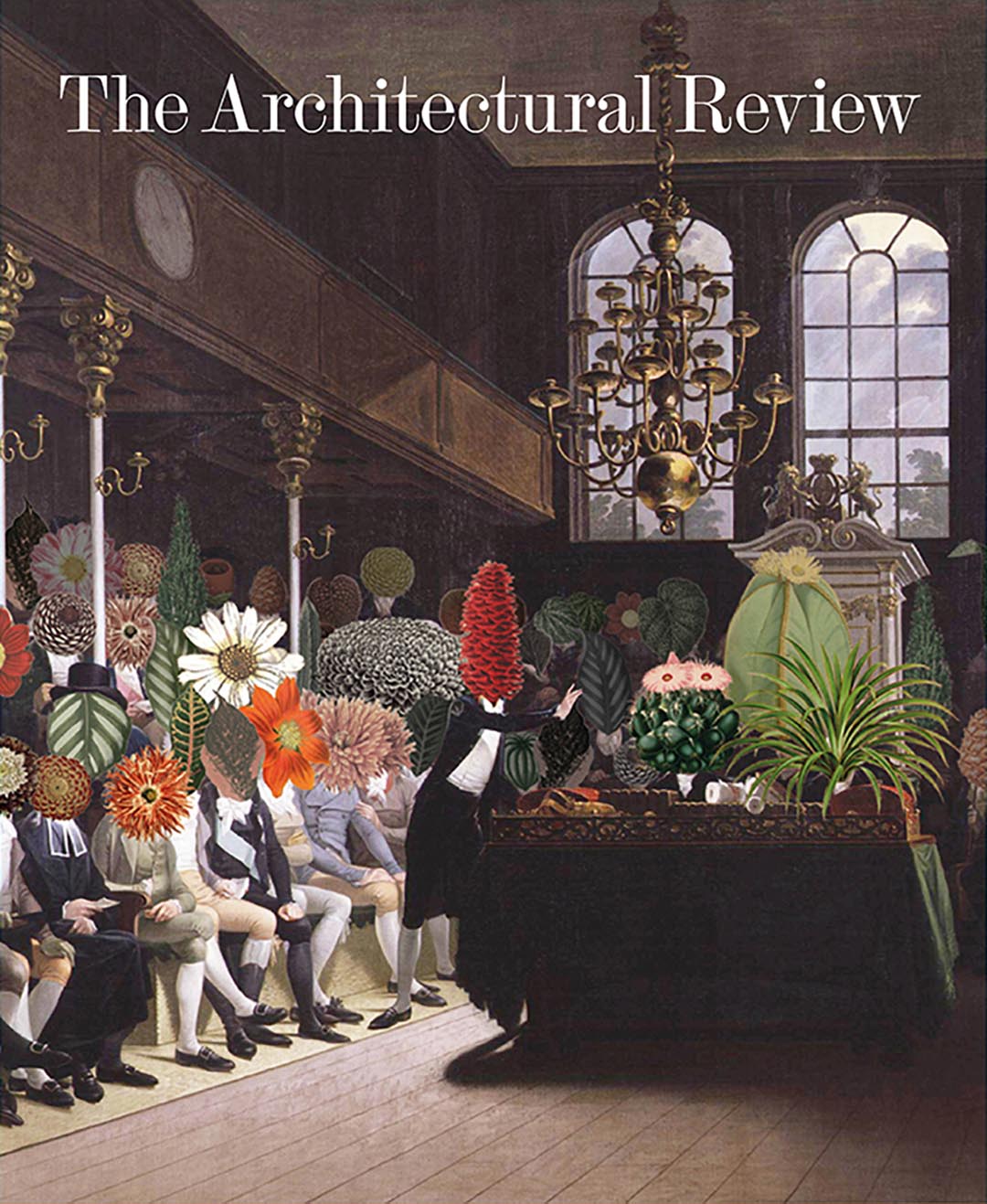
AR June 2023: Plants

Plants are often restricted to the spaces that humans create for them—parks, gardens and other planted areas—and bent to profit or aesthetic preference. This issue calls for a paradigm shift beyond a change in material palettes. Where new buildings are justified, plants should be incorporated along with other low-carbon materials, but not without consideration of how that plant life is cultivated—all other forms of life depend on it.

Let Not Bygones Go By

dpr barcelona
2022

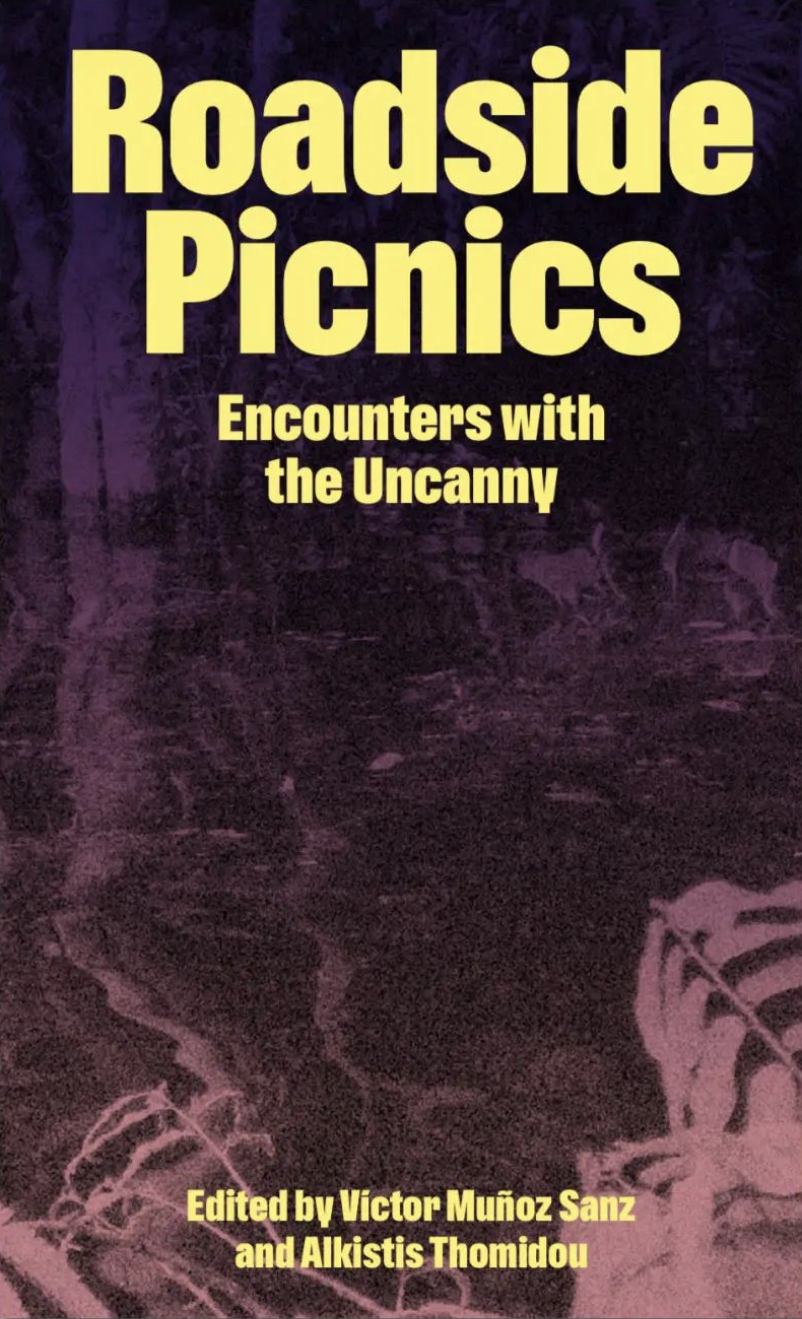
With a combination of essays, memoirs, guided imagery, and speculative story-telling, this book reenacts Roadside Picnic, a sci-fi story addressing the problem of humanity’s contact with another intelligence through the environmental effects and wreckage left behind by the visitors.

Ce que nous dit l’intimité du kiwi et du crocus

Mille Cosmos #1
2022

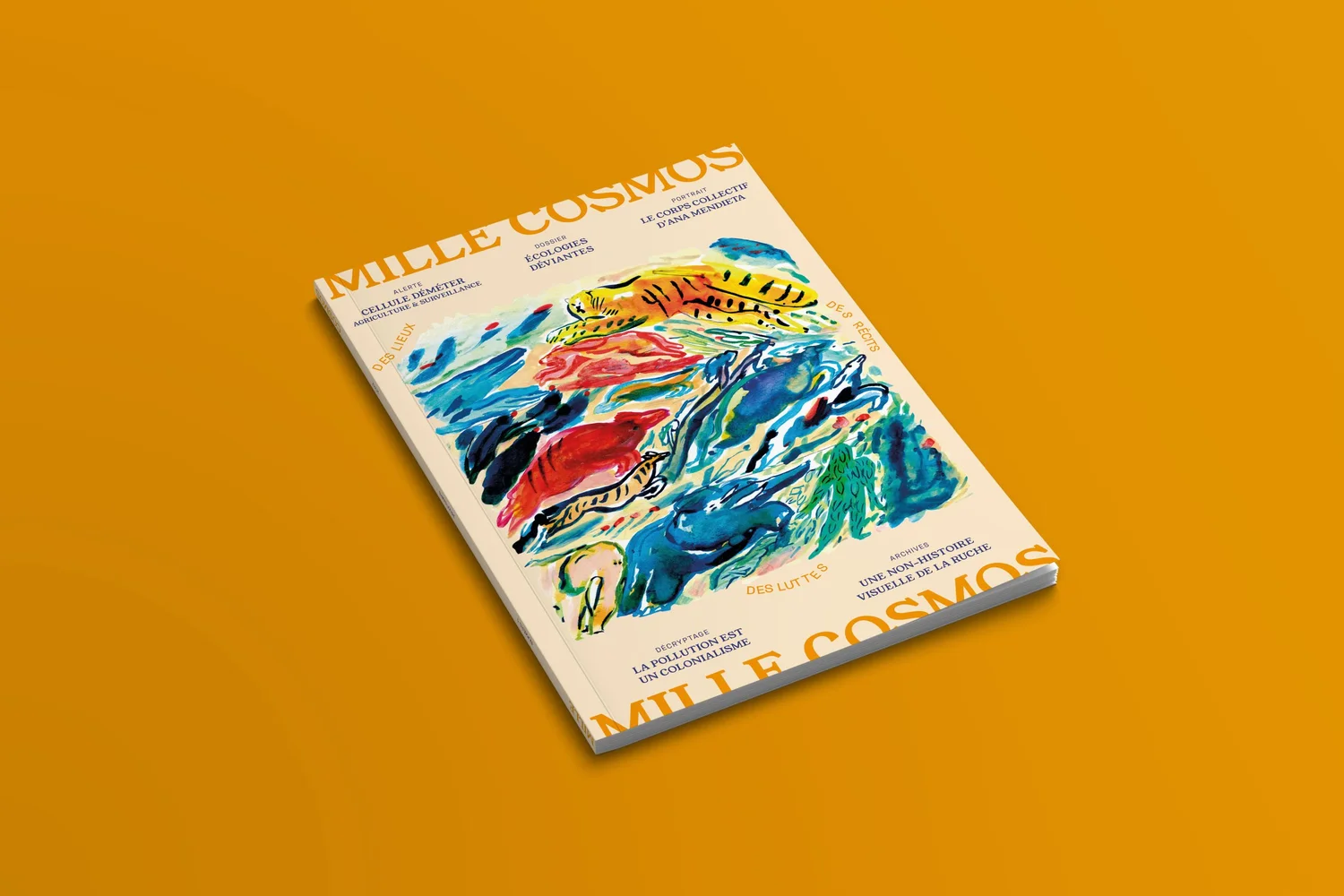
« Queer Nature » est une recherche touchant à « un domaine qui n’existe pas tout à fait » – selon l’expression de Timothy Morton –, à l’intersection entre écologie et théorie queer. En s’intéressant aux mécanismes de la reproduction sexuelle dans le monde végétal, le projet de Céline Baumann remet en cause l’image d’Épinal d’une nature associée à une certaine normalité, alibi ensuite utilisé pour décrier d’autres pratiques identifiées comme déviantes.

Plant Pleasures and Intimacies

l’esprit créateur
Winter 2022
Interview with Natania Meeker and Antónia Szabari

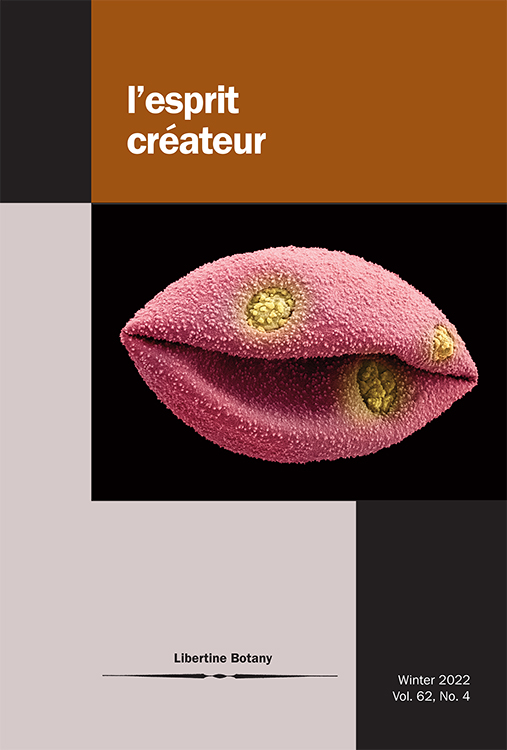
Plant sexual life becomes the subject of intense discussions in early modern botany. How does France, with its legacy of materialist libertine thought, become a hub for botanically-informed critique of human sexual norms and practices? How is early modern botany enmeshed with desire? Libertine Botany charts premodern explorations of the nonbinary sexuality of plants and investigates their effects on the gendering of the human polis. In conversation with contemporary discussions of sexuality, this special issue studies how—through a body of work anticipating queer politics, art, and ecology—the alien pleasures of plants give new contours to human experience.

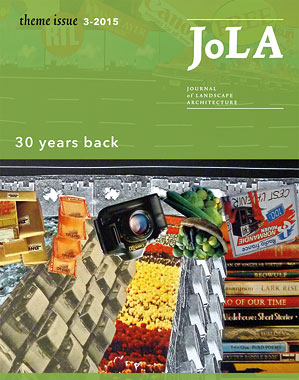
The Versatile Monument Question: Parc De La Villette as Managed Reality

Journal of Lanscape architecture La Villette Versatile Monument 30 years back

Journal of Landscape Architecture
03-2015

Written by Céline Baumann and Vesna Jovanović, this essay examines Parc de la Villette through what will be defined as the “versatile monument” question, in order to discuss a nonlinear, i.e. dynamic, relationship between the processes of project commission, design and implementation, and site management.

Impressum Datenschutz