Neue Wildnis
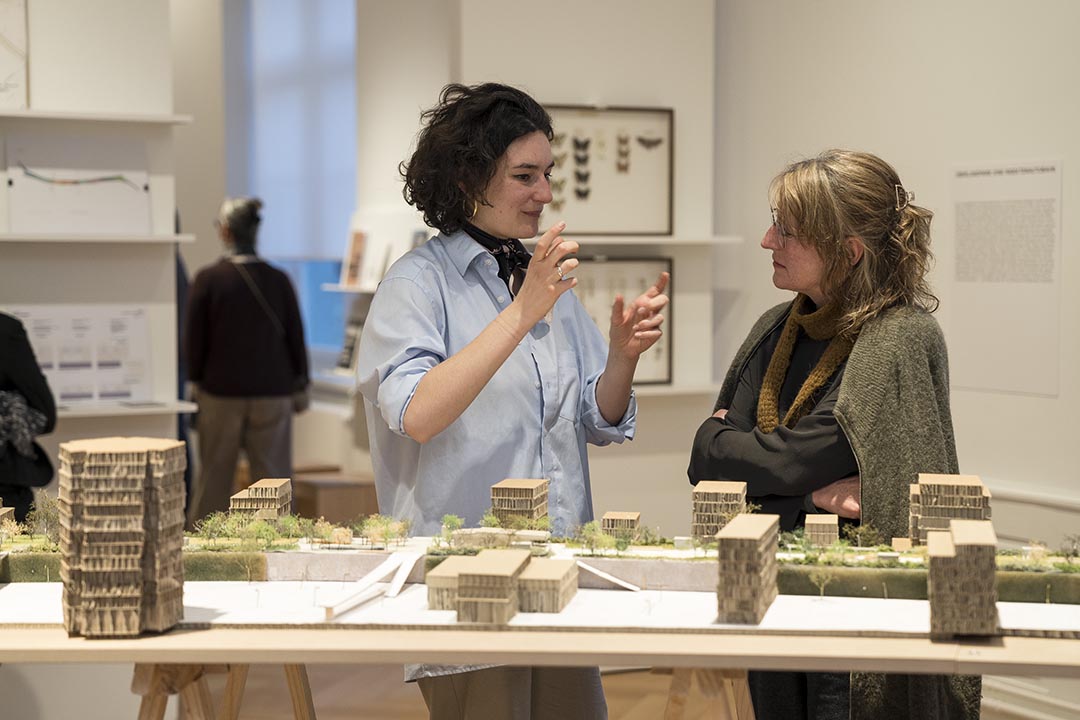
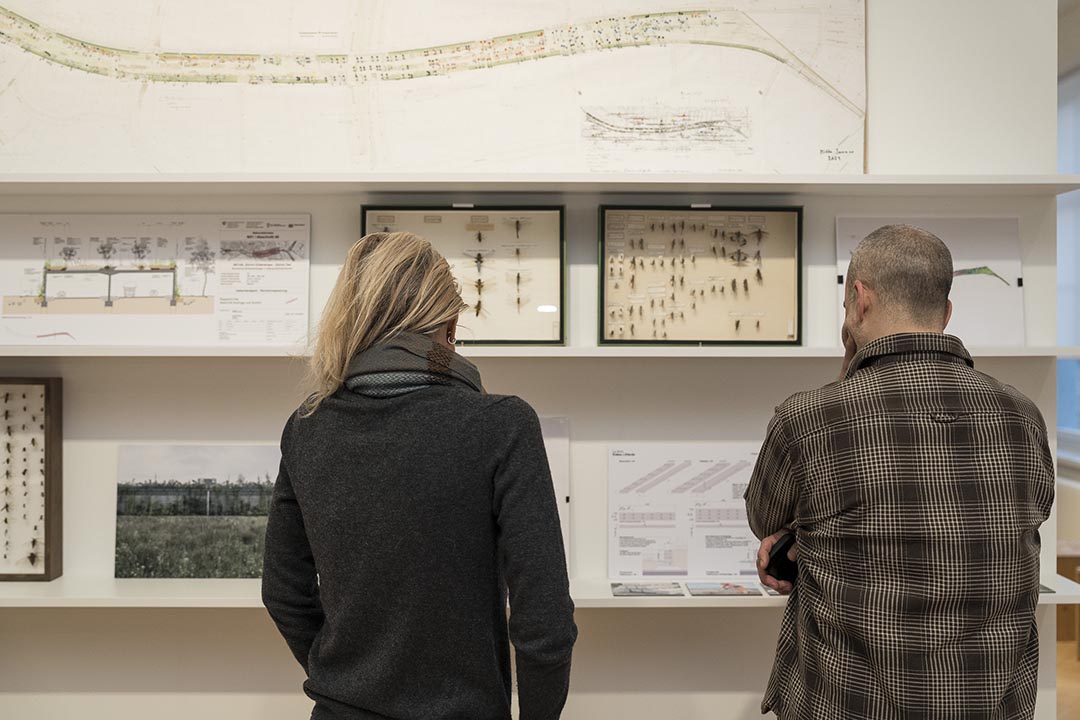
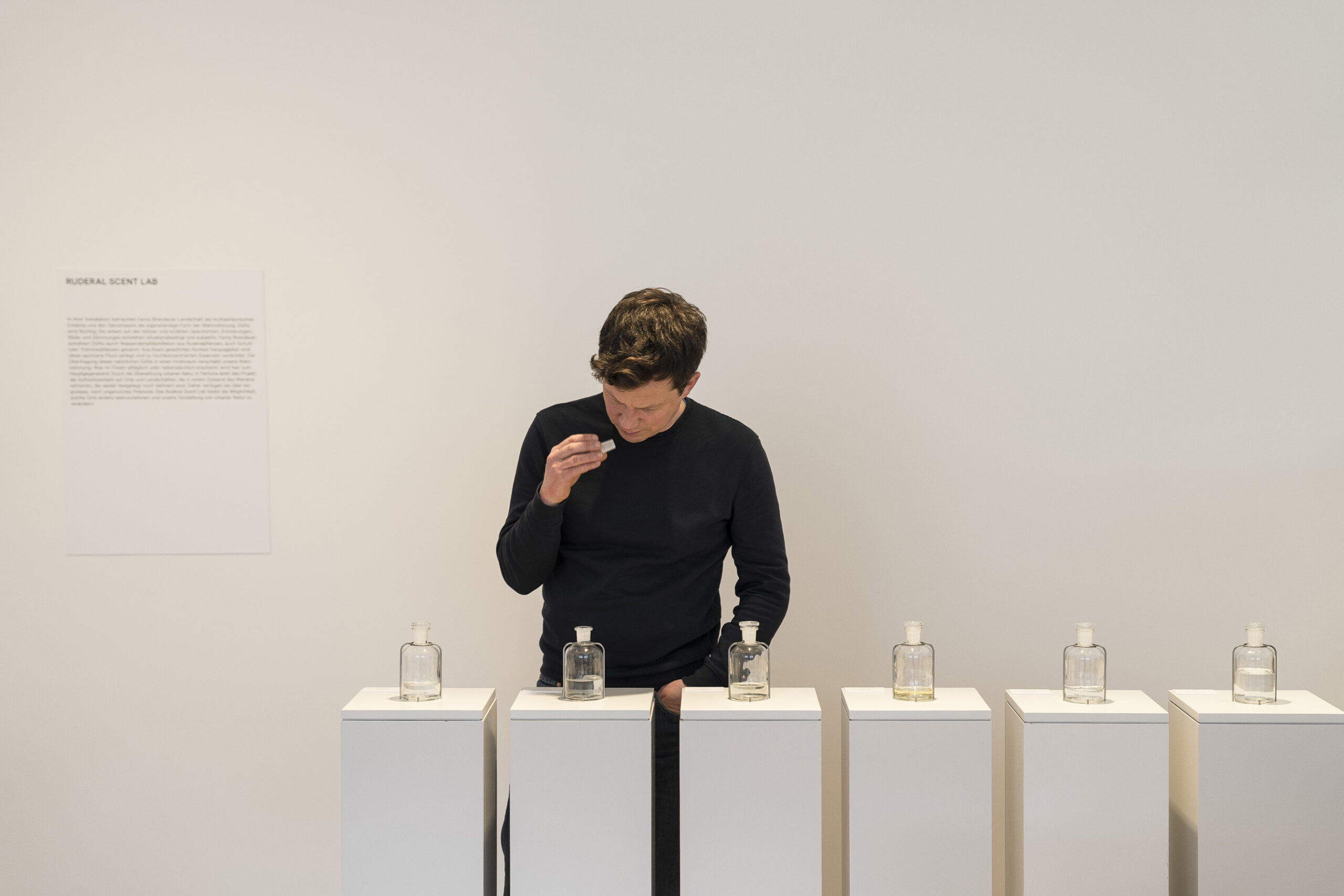
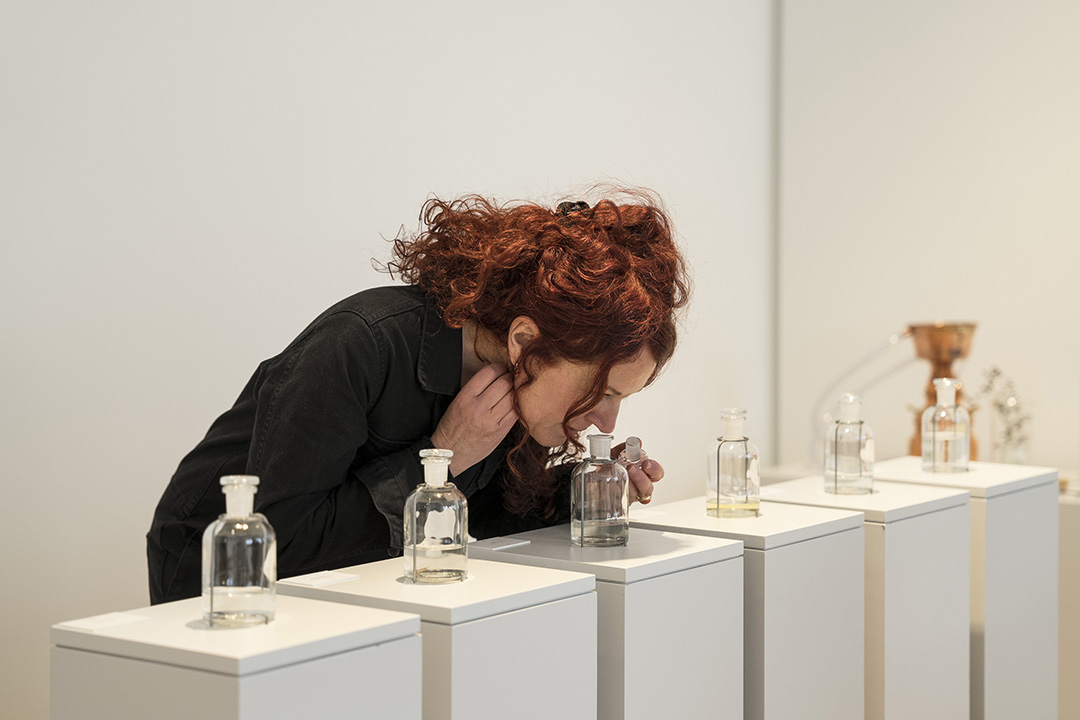
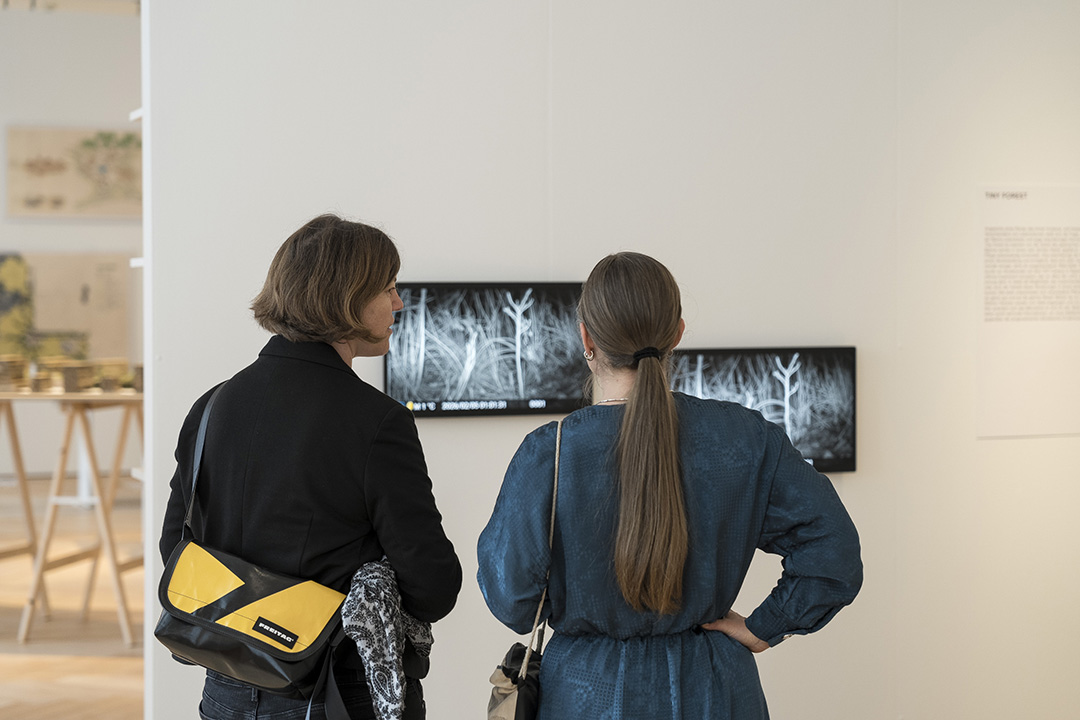
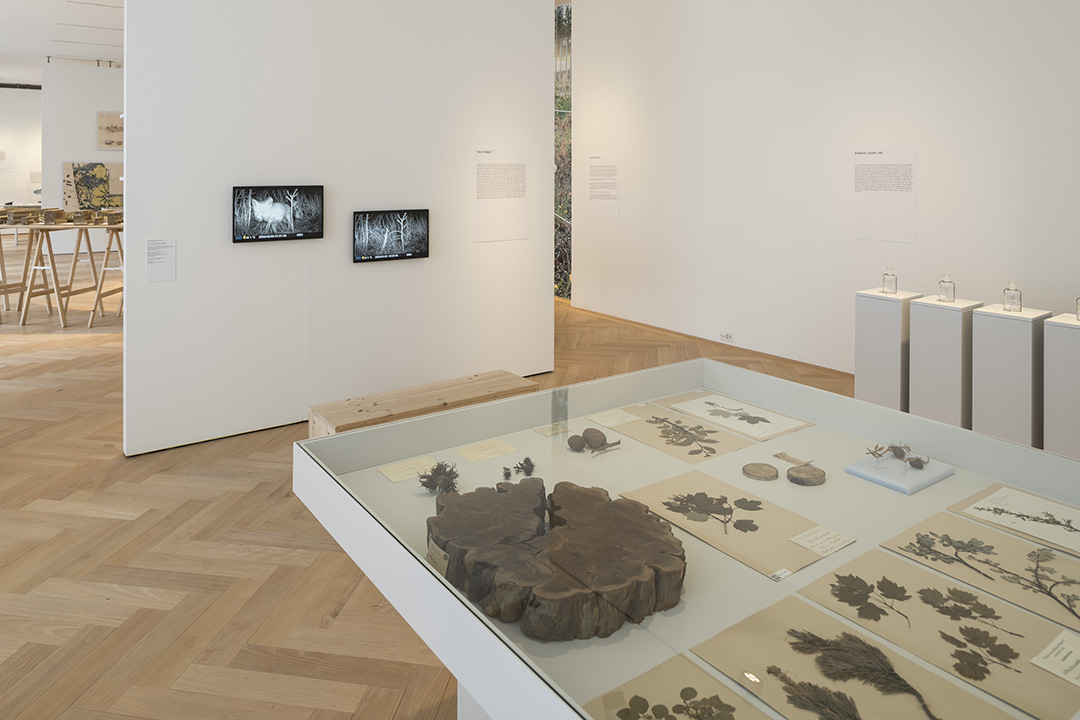
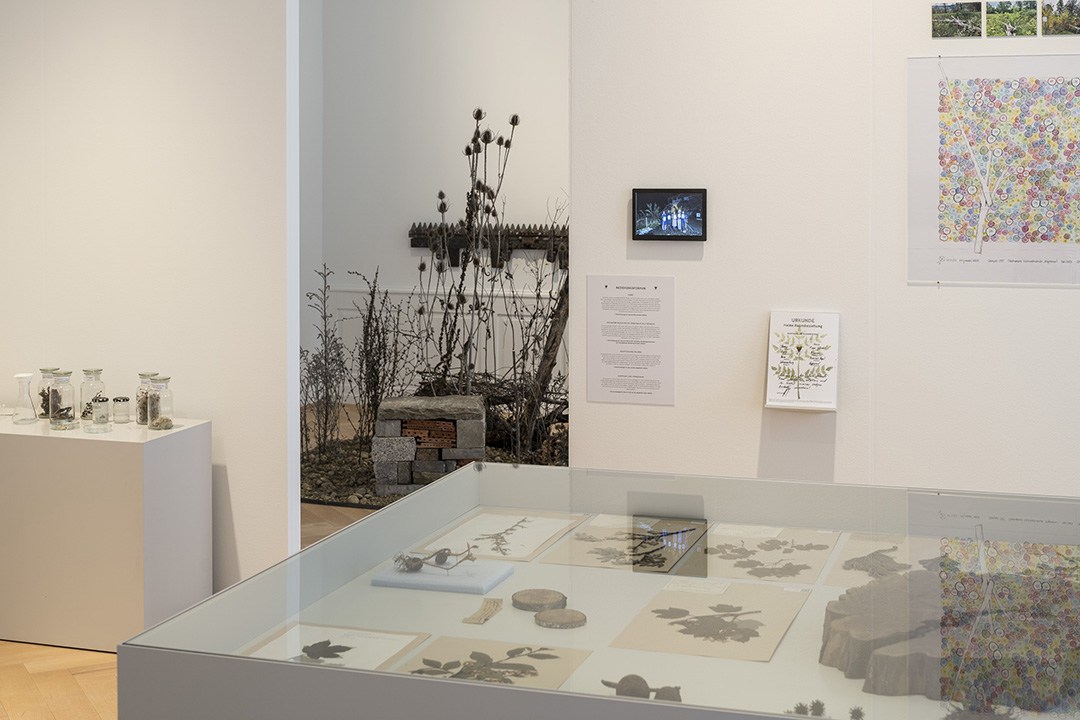
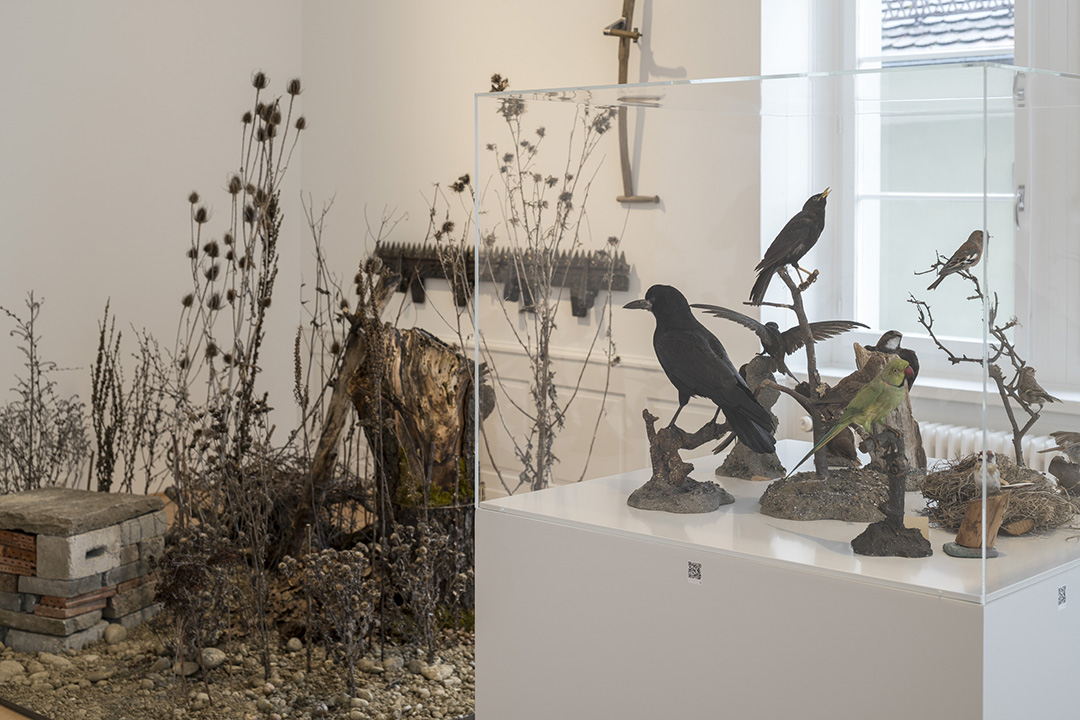
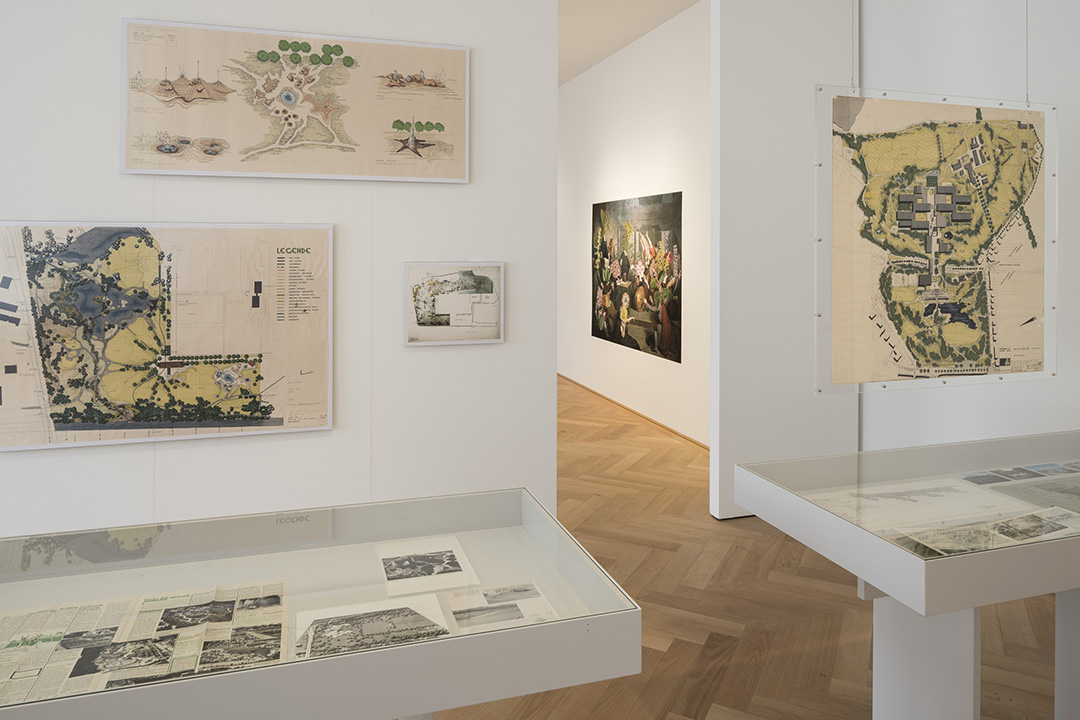
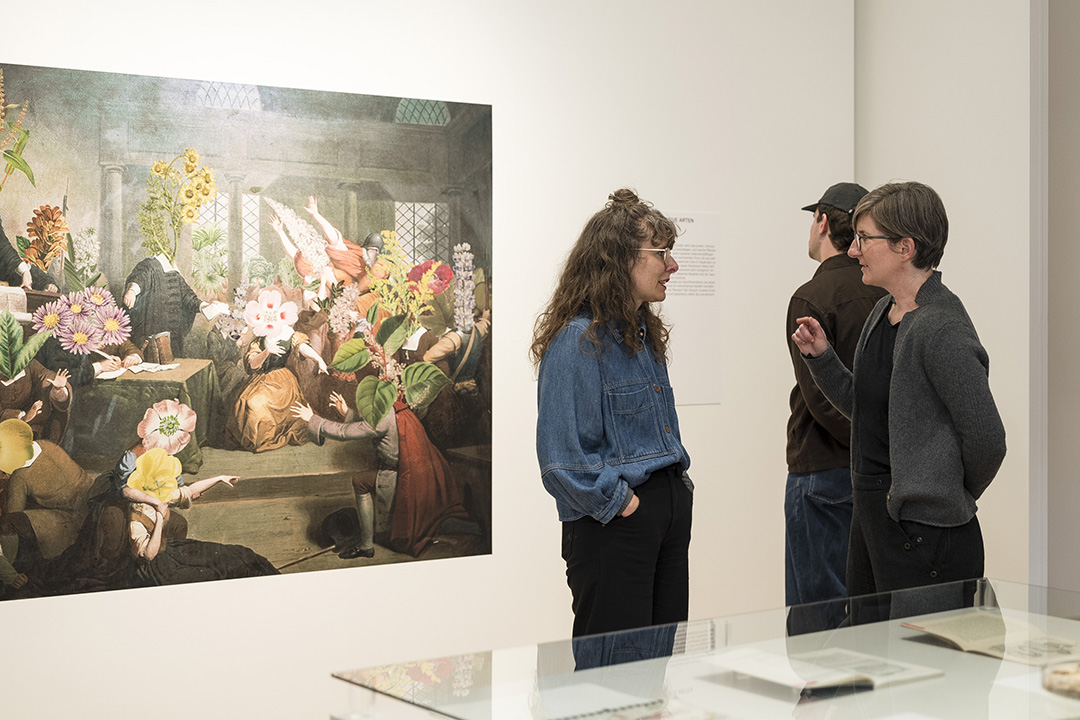
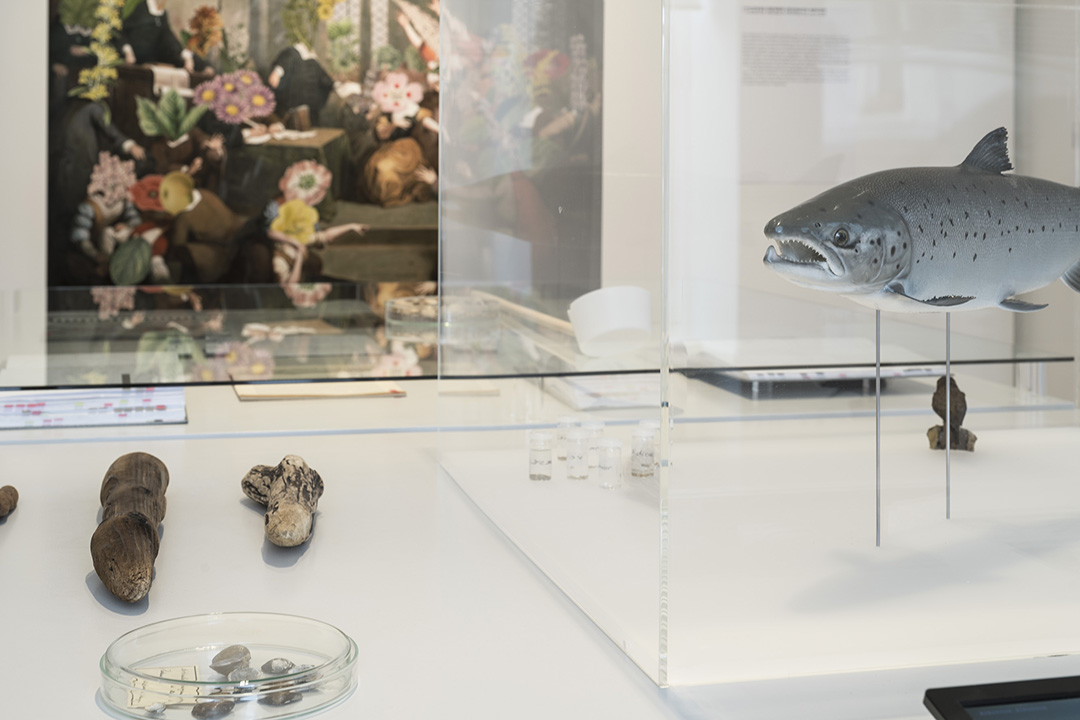
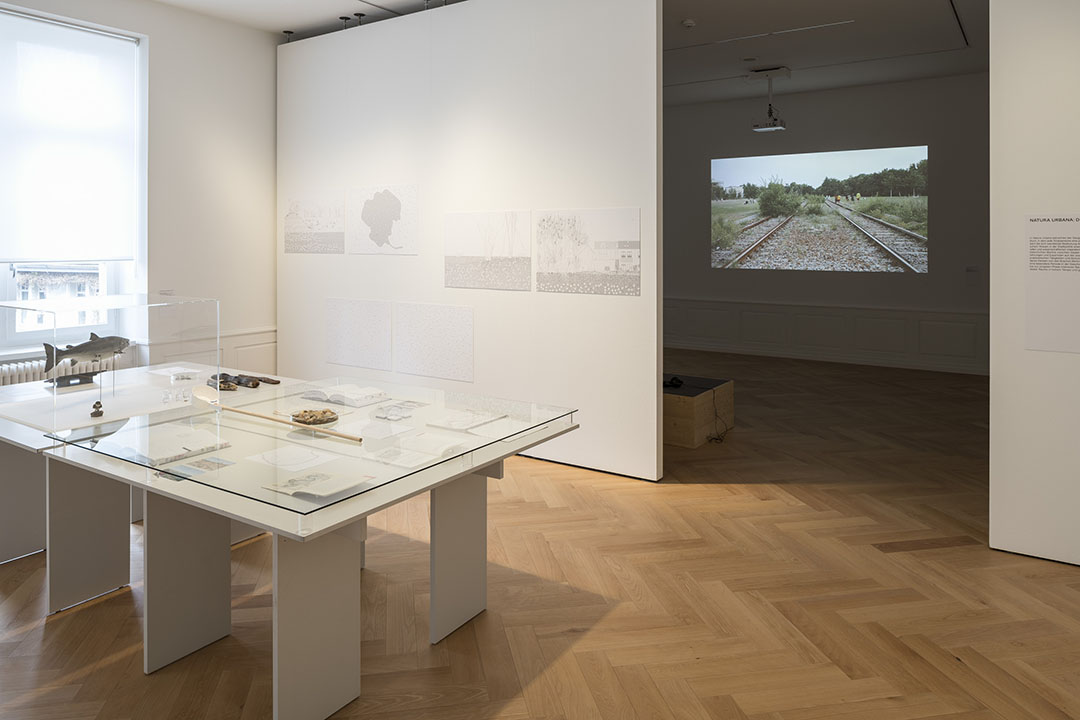
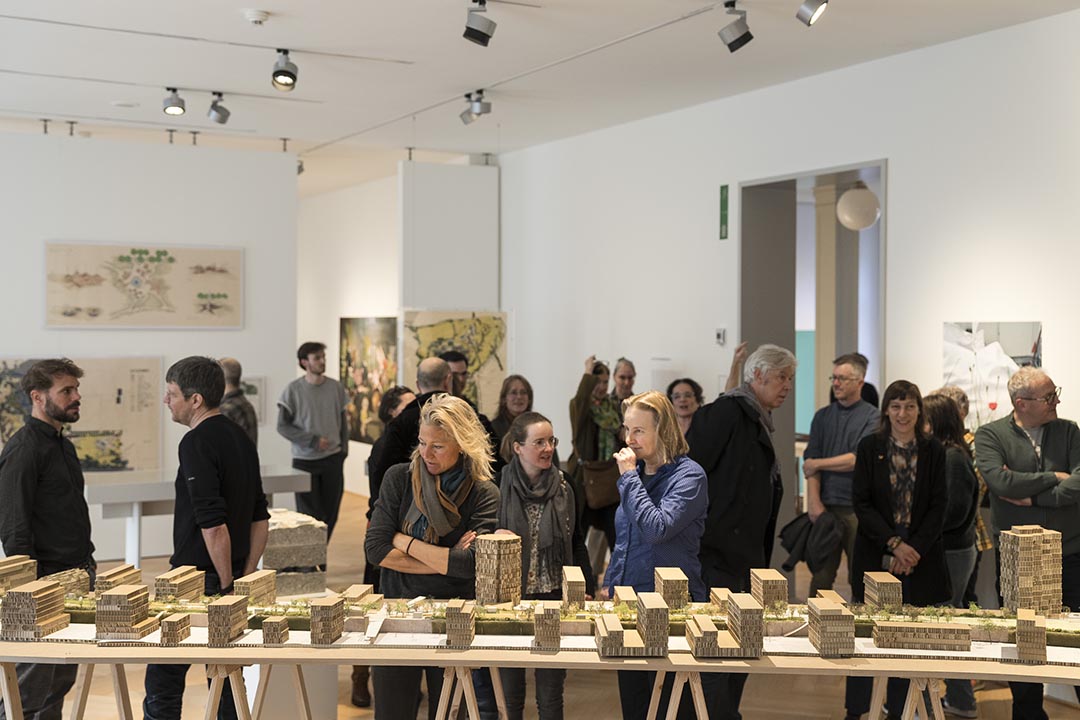
The New Wilderness exhibition presents the innovative perspectives of a select group of landscape architects, researchers, artists, and ecologists whose practices share a forward-looking understanding of their disciplines and who are fostering novel type of ecologies.
| Location | Winterthur, Switzerland |
| Time Frame | 2025-2026 |
| Client | Gewerbemuseum Winterthur |
| Commission Type | Curation |
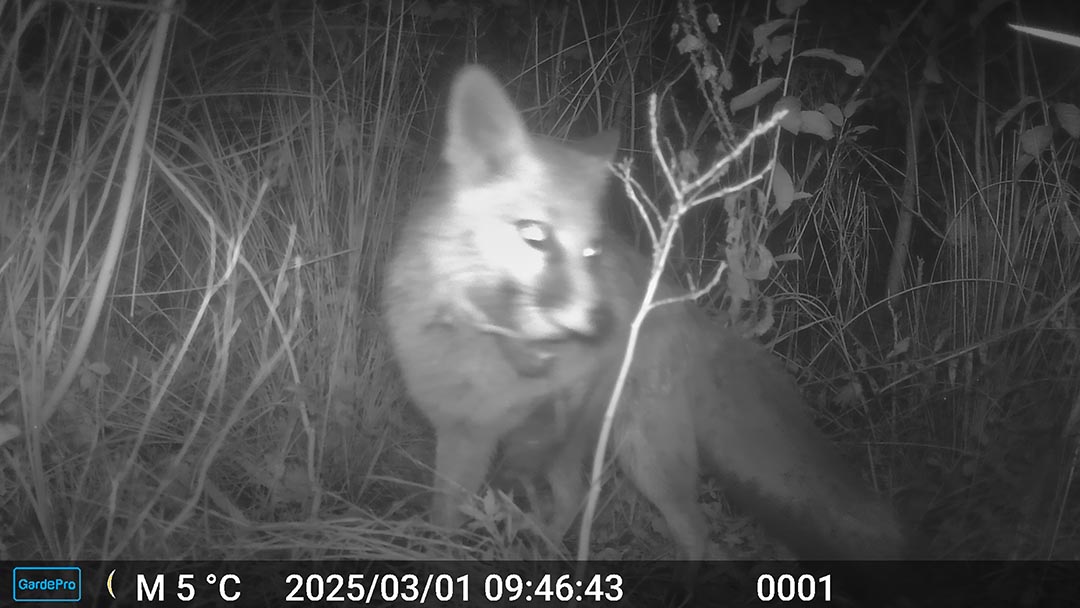
ENG Cities are not only good places for humans to live, they are also called homes by many animal and plant species that find suitable substitute habitats there. Pioneer trees on brownfields, ruderal landscapes along train tracks, non-native species spreading along the highways, spontaneous herbs growing between pavement cracks… We are surrounded within our urban landscapes by a spontaneous vegetation, which takes opportunity of the diversity of urban ecological niches in order to live an untamed existence. The term new wilderness was coined by the German botanist and urban ecologist Ingo Kowarik, to refer to this novel type of ecologies that results both from natural and cultural processes. Urban fauna and flora render valuable ecological services including storing rainwater and releasing it into the atmosphere, creating local cooling islands and welcoming shade, offering habitat for insects, birds, and small mammals, cleaning the air of dust producing oxygen, counteracting soil compaction, and increasing soil biodiversity. All of those benefits deserve today to be fully acknowledged as they offer the chance to shape resilient ecosystems beneficial not only to other living beings but also to our human species. Fostering this different type of Nature enables the possibility of creating a place where we can not only nurture life in general, but also and more especially encourage an emancipated kind of life, where plants are recognized to have a value of their own, beyond how valuable they are to us. This offers the tremendous potential to shape an innovative and hopeful approach to our contemporary landscapes, one both ecologically conscious and devoid of nostalgia.
DE Im urbanen Umfeld macht sich zunehmend eine Spontanvegetation breit, die jede verfügbare ökologische Nische nutzt, um ein ungezähmtes Leben zu führen: Kräuter zwischen Pflastersteinen, seltene Pflanzen auf Brachen, wilde Gewächse und nicht heimische Arten entlang von Bahngleisen oder Autobahnen. Das Gewerbemuseum Winterthur rückt die einzigartigen Qualitäten dieser besonderen Art von Natur in den Fokus und zeigt das Potenzial solcher Stadtlandschaften auf. Überraschende Kräuter, die zwischen Pflastersteinen wachsen, Pionierbäume auf brachliegenden Grundstücken, seltene Pflanzenarten auf ungenutztem Ödland, wilde Gewächse entlang der Bahngleise, nicht heimische Arten, die sich an den Rändern der Autobahnen ausbreiten: Wir sind in unserem urbanen Umfeld von einer Spontanvegetation umgeben, die jede verfügbare ökologische Nische nutzt, um ein ungezähmtes Leben zu führen. Diese besondere Art von Natur verdient es heute, nicht nur für ihre einzigartigen Qualitäten gewürdigt, sondern auch gefördert zu werden. Sie bietet das Potenzial, einen hoffnungsvollen Ansatz für unsere heutigen Stadtlandschaften und Lebenswelten zu entwickeln, der sowohl ökologisch bewusst als auch frei von Nostalgie ist. Die Ausstellung «Neue Wildnis» präsentiert ausgewählte Projekte aus Landschaftsarchitektur, Forschung und Ökologie, die mit innovativen Perspektiven eine neue Wildnis fördern und ein zukunftsweisendes Verständnis von Stadtnatur teilen.
New Wilderness is curated by Studio Céline Baumann in collaboration with the Gewerbemuseum Winterthur.
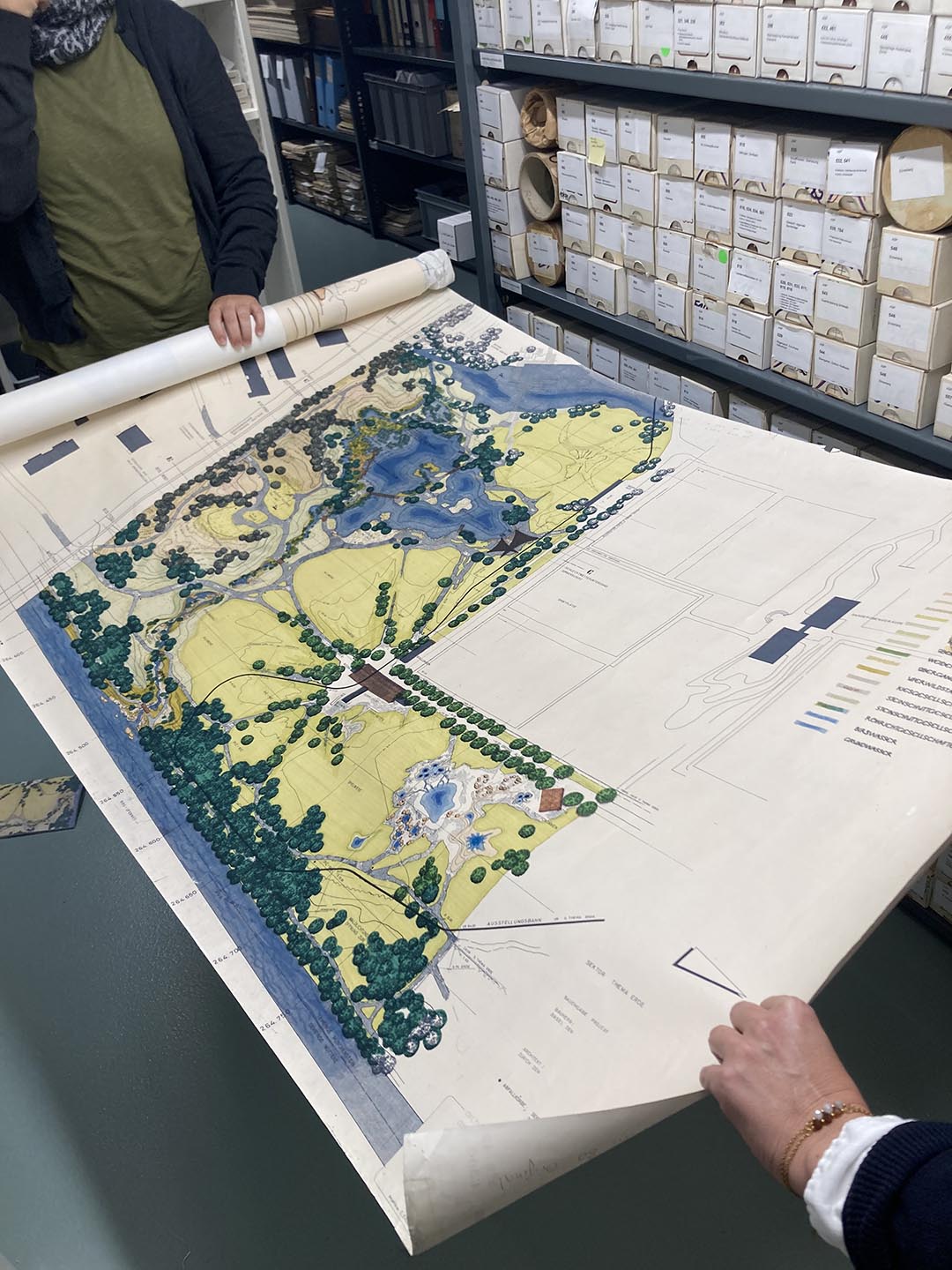
With projects and loans from: Archiv für Schweizer Landschaftsarchitektur; Céline Baumann; Fanny Brandauer; Matthew Gandy: Johanna Just; Franziska Klose; Krebs und Herde; Winterthur Nature Museum; OST, Rapperswil; Stadtgrün Winterthur
Photography: Michael Lio
Team SCB: Céline Baumann, Hannah Ehre
→ Read the review in the Hochparterre by Maarit Ströbele, 2026 (German)
→ Read the review in Formfaktor by Caroline Wanderberg, 2026 (German, external link)
→ Listen to the interview from Kaa Linder for SRF (German, external link)
 Neue Wildnis