Terra Incognita
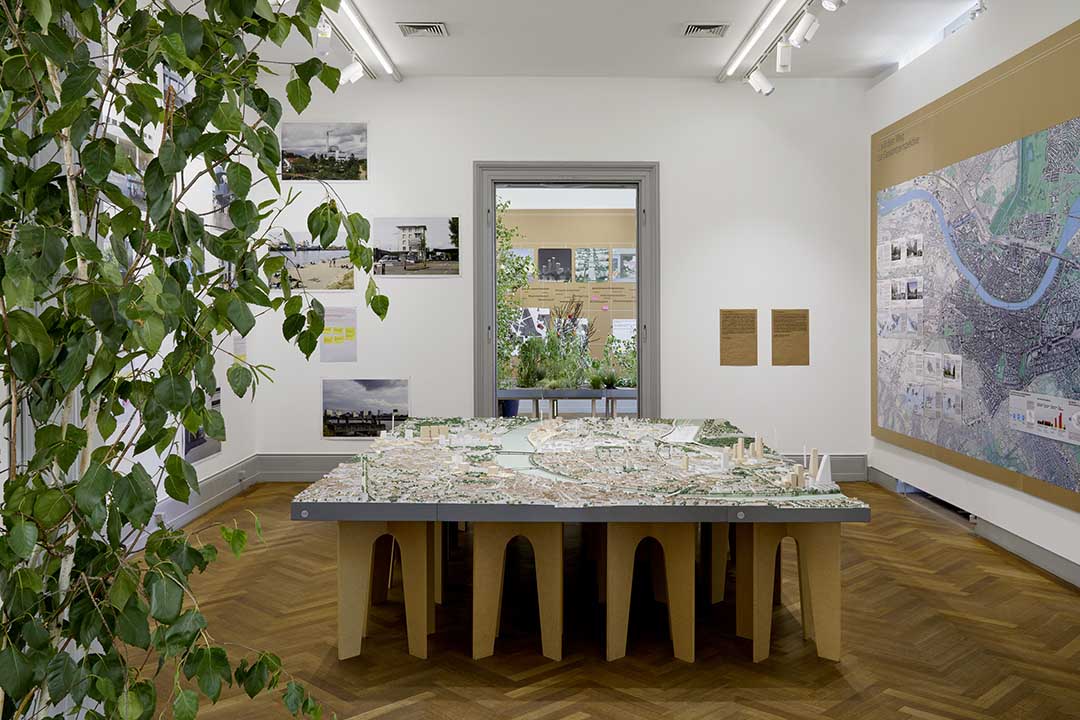
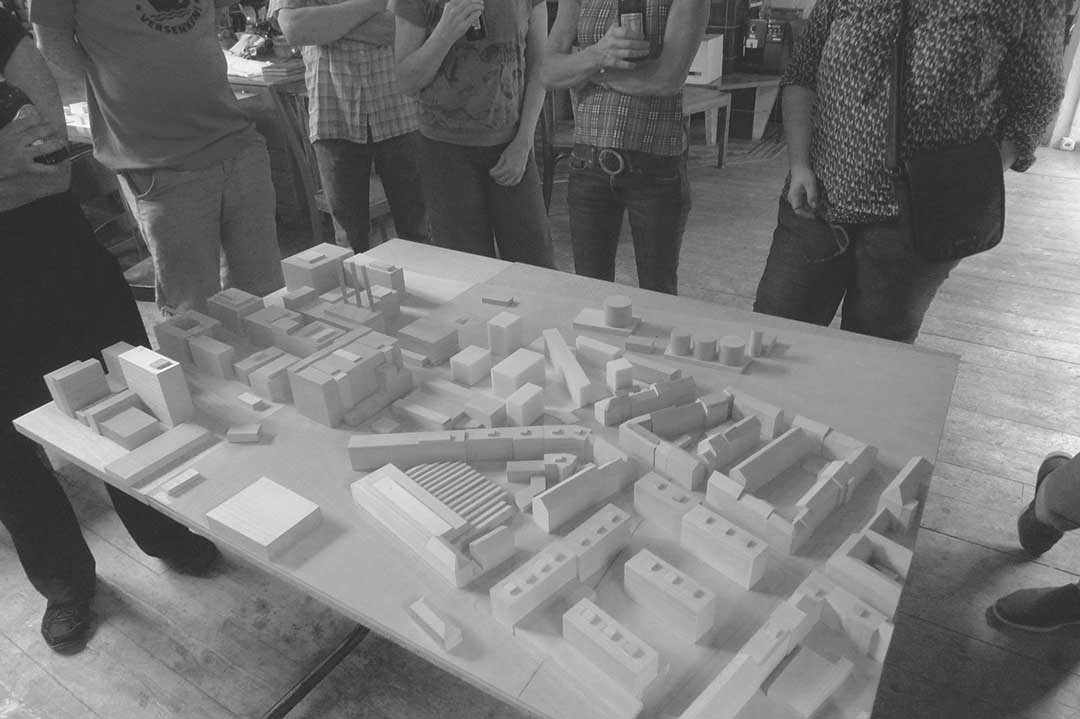
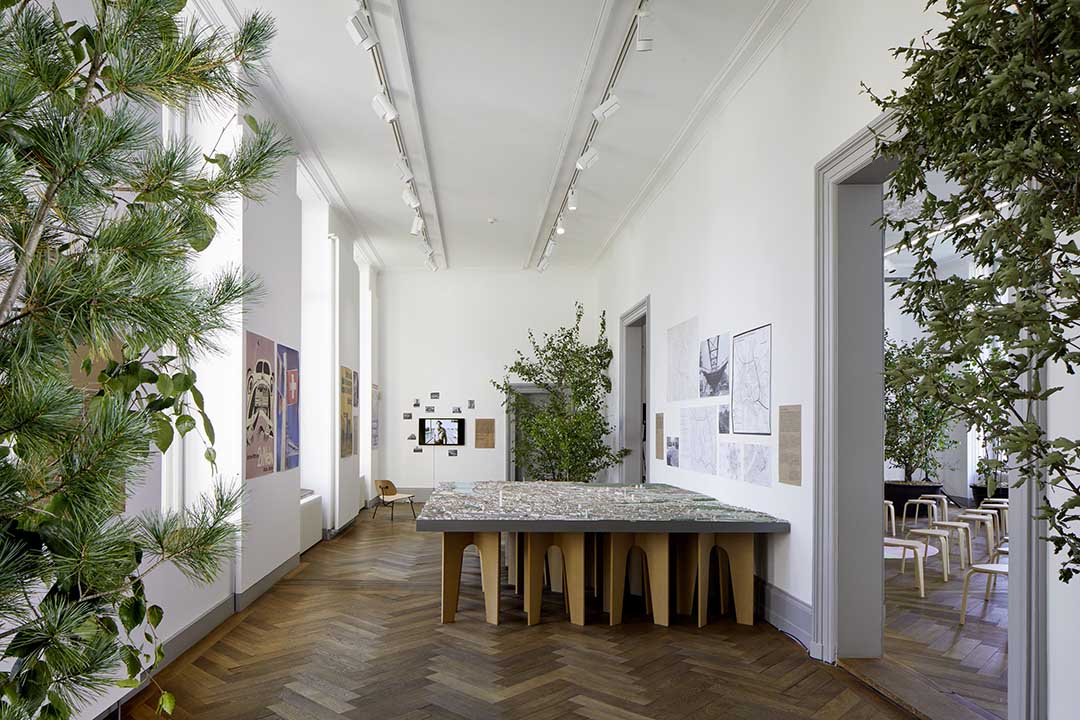
EN Forum Basel 2050 consists of an exhibition and a series of discussion, which questions the urban development of the agglomeration. It looks back at its modern history and envisions its eventual growth. Three models are used as a tool for discussion and exchange between public officials and visitors of the museum. The first scale-replica shows the city in the sixties, at a tipping point when the townscape started some of its great infrastructural transformations, while the second model displays the current state of affairs and the upcoming developments. The third installation consists of a speculative model looking at the city from a non-human perspective.
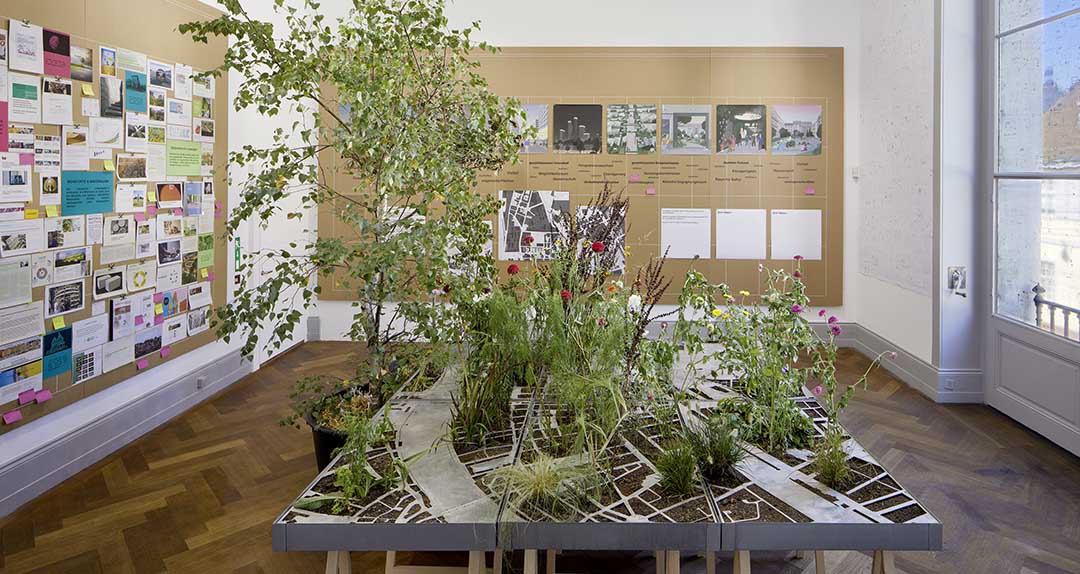
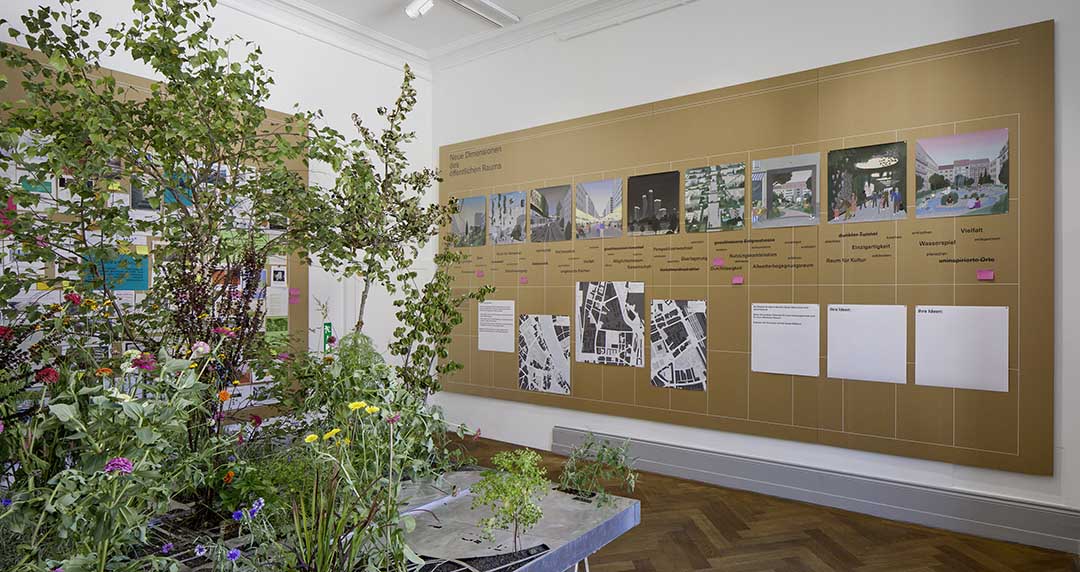
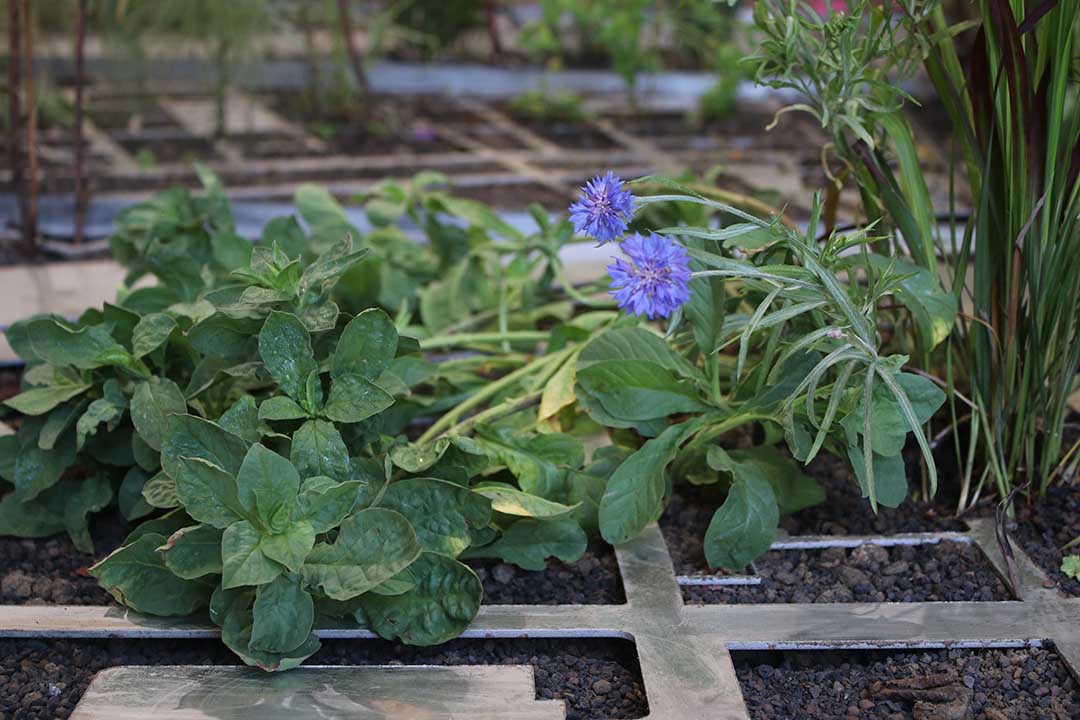
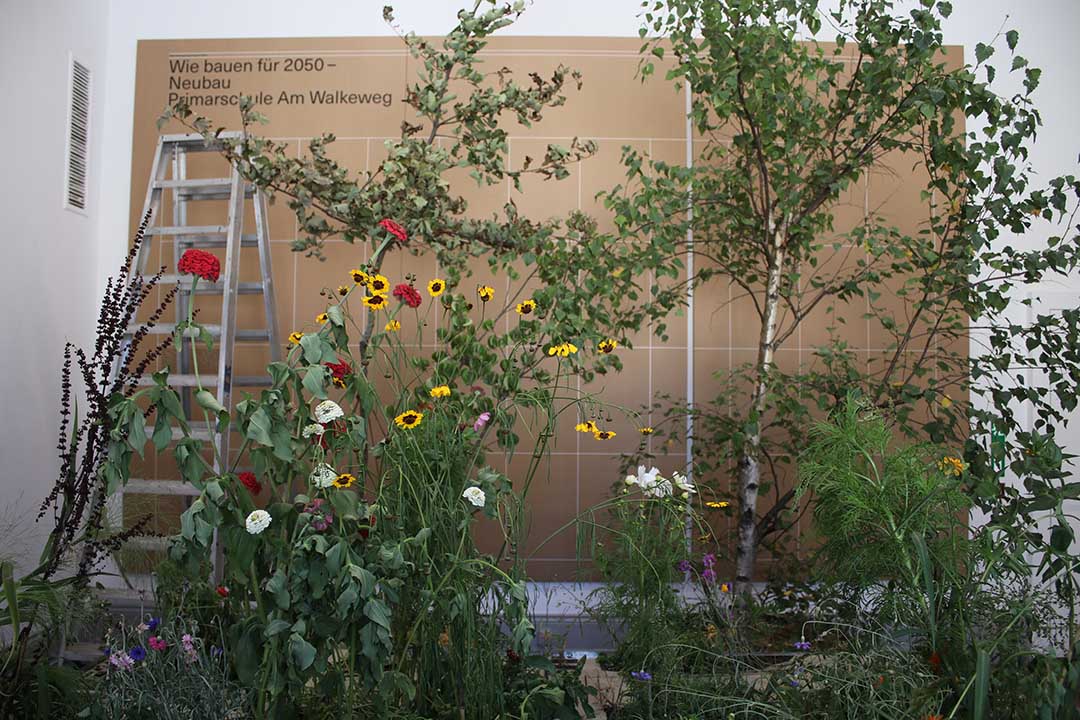
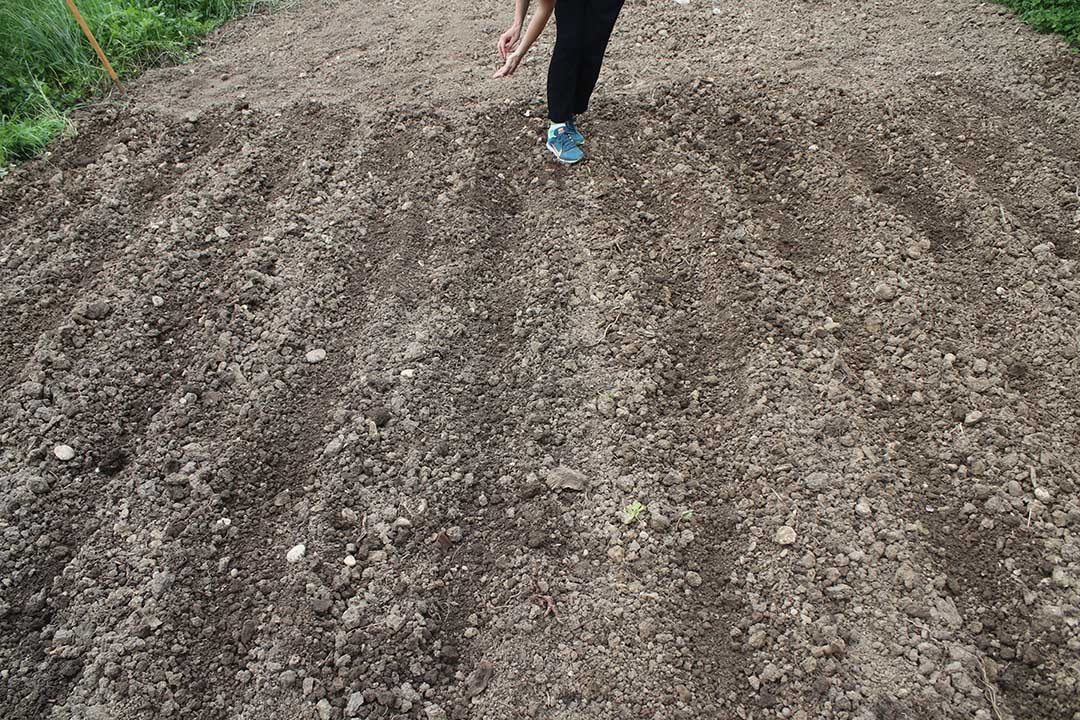
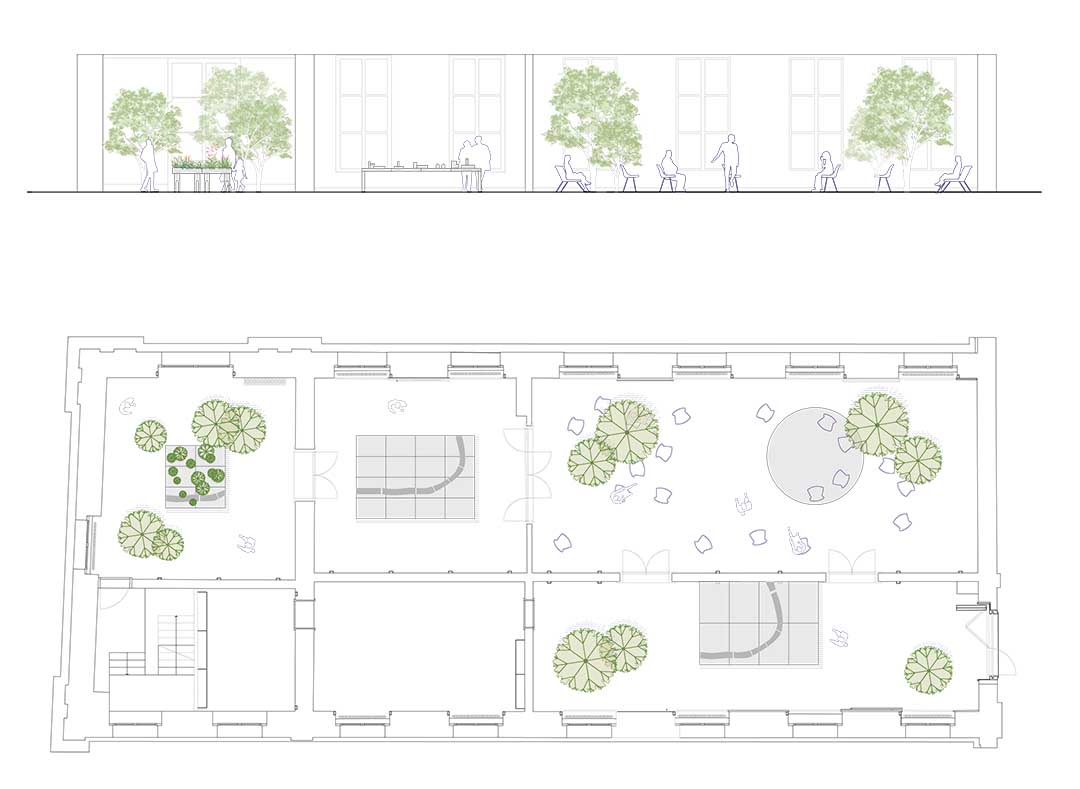
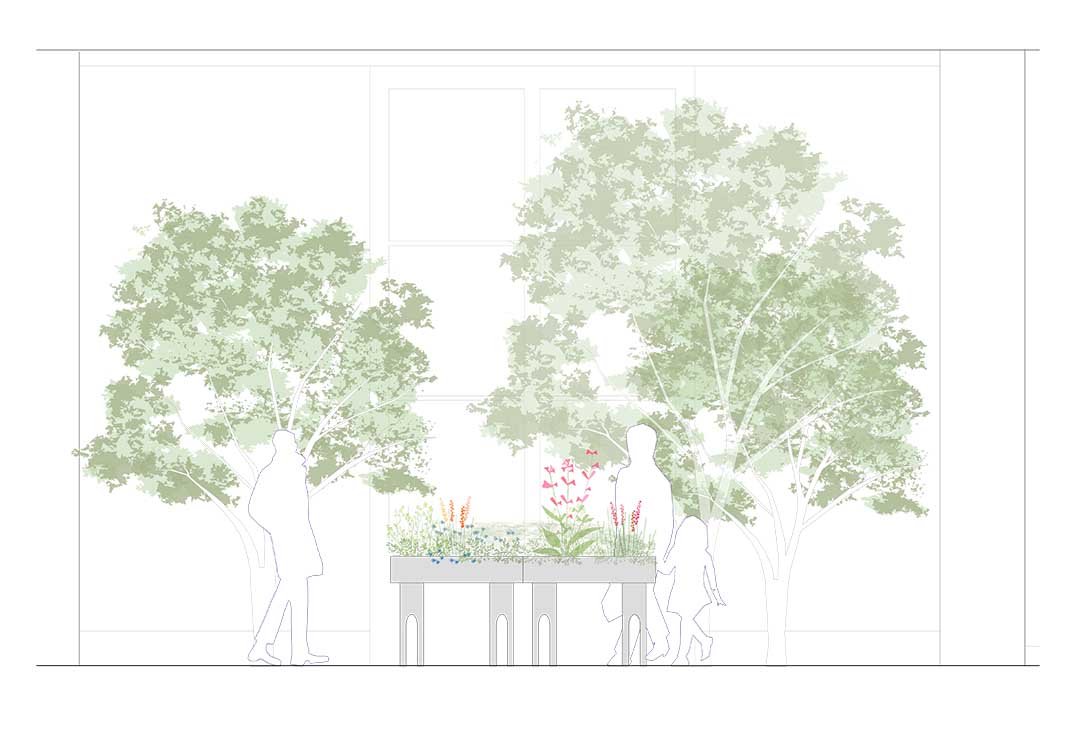
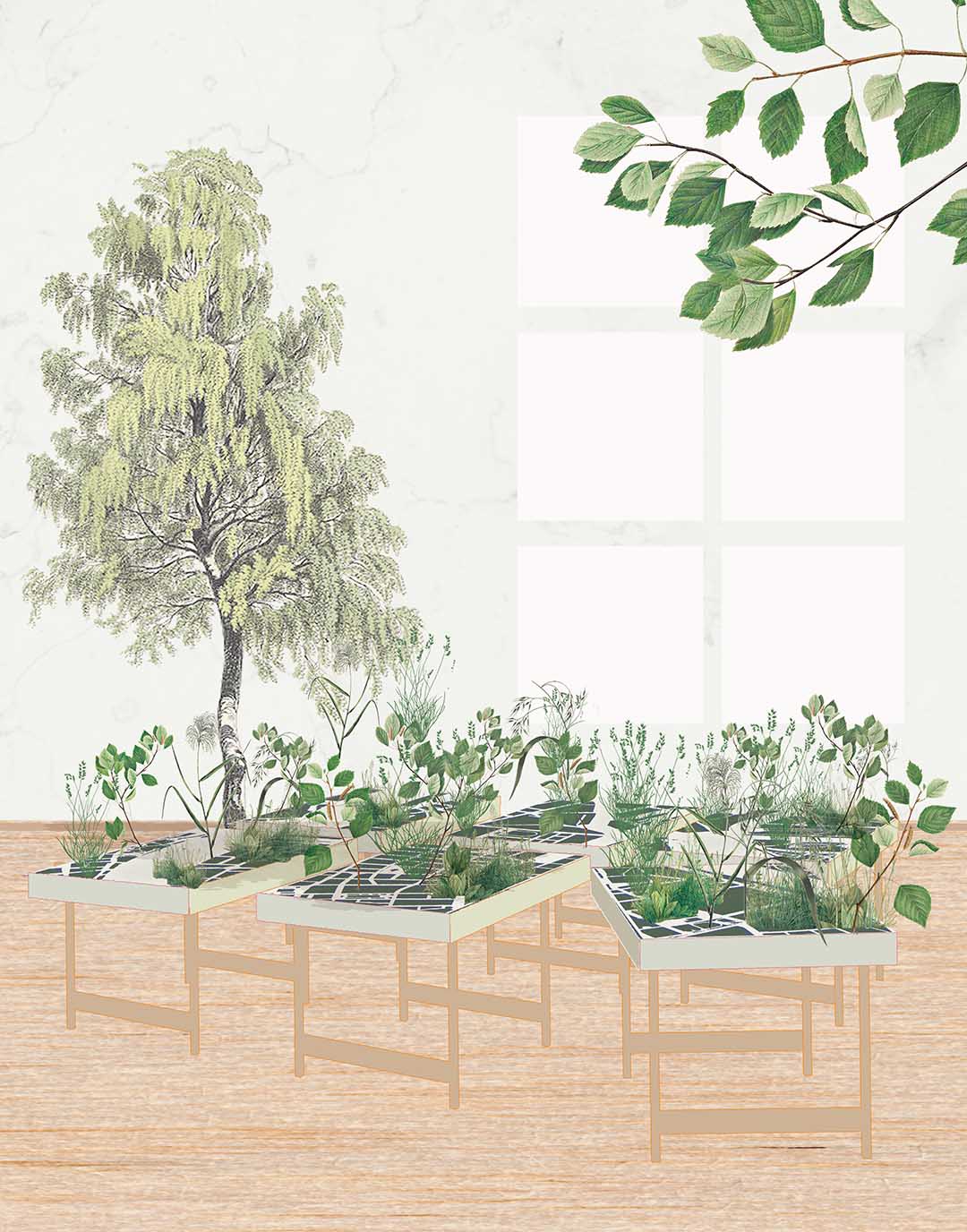
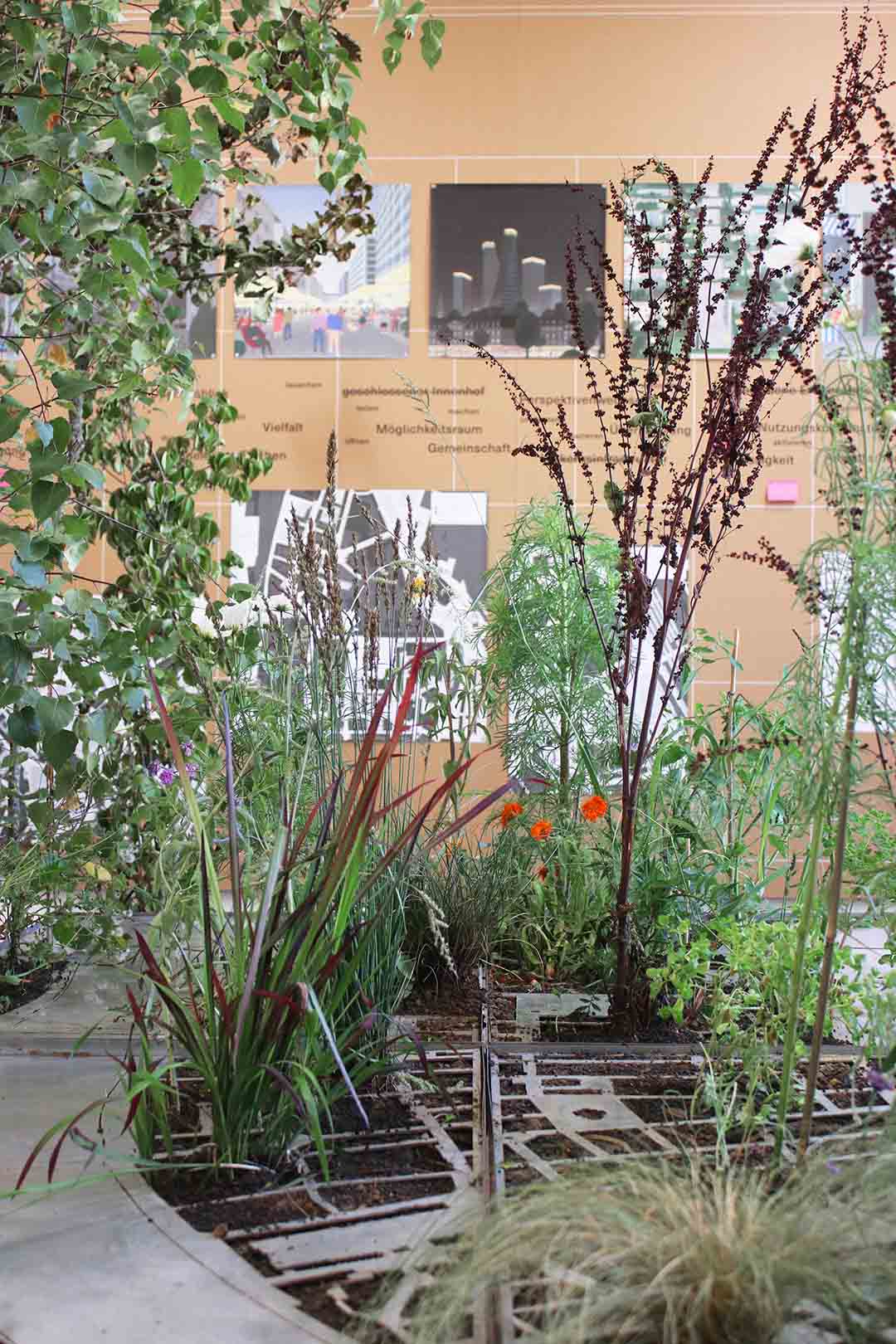
This “Terra incognita” is conceived as a garden where pioneer plants are taking over the built fabric. Inspired by the plan of Rome from Giovanni Battista Nolli, it makes visible the frame of public space while turning the built fabric into a fertile ground hosting the growth of a third landscape in the sense of the French landscape-architect Gilles Clément. “Terra Incognita” prompts to consider the city as an organic assemble and raises questions about its nature: can a bustling town be designed in a way that it accommodates humans as well as non-humans life forms? Can Basel not only become denser, but also more organic and even cooler?
DE Das Forum Basel 2050 beleuchtet die städtebauliche Entwicklung Basels von gestern, heute, morgen und übermorgen in Form einer Ausstellung sowie diverser Veranstaltungen. Visuell im Zentrum der Ausstellung stehen drei Stadtmodelle. Das erste Modell zeigt die Stadt Basel im Jahr 1960, als die auf den Autoverkehr fokussierte Verkehrsplanung im Zentrum stand. Das zweite Modell von 2020 bildet den Istzustand mitsamt der bereits geplanten und angedachten Entwicklung ab. Das dritte Modell ist eine sinnliche Zukunftsvision mit Pionierpflanzen, die aus einem Plangerüst eines Kleinbasler Quartier emporwachsen: die „Terra Incognita“.
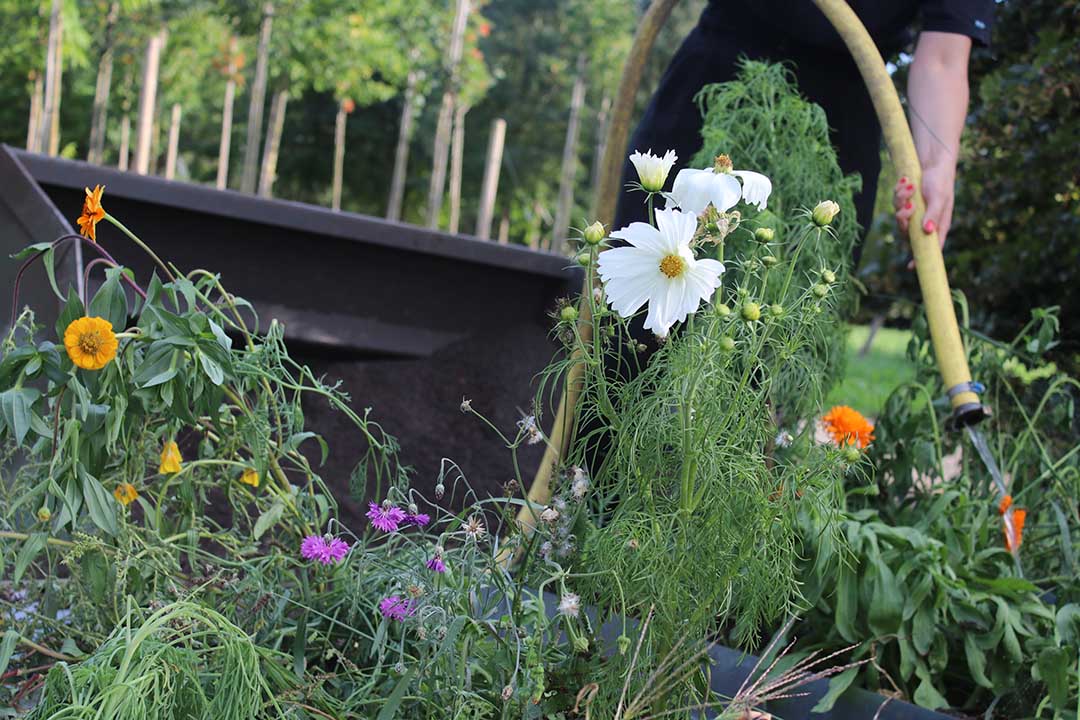
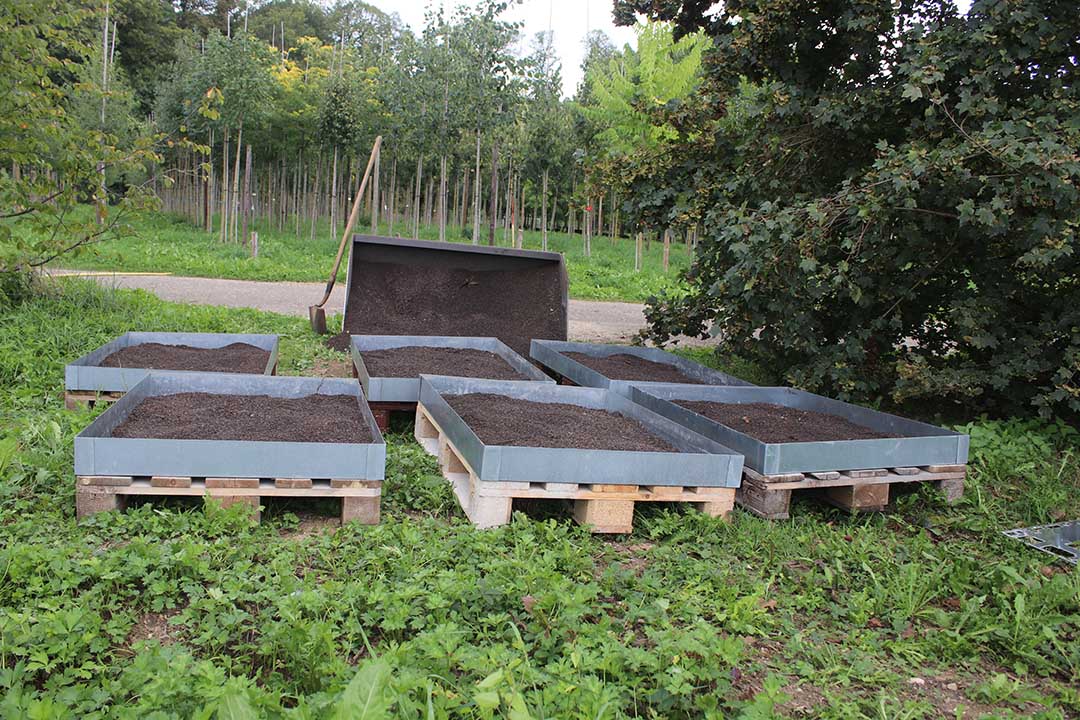
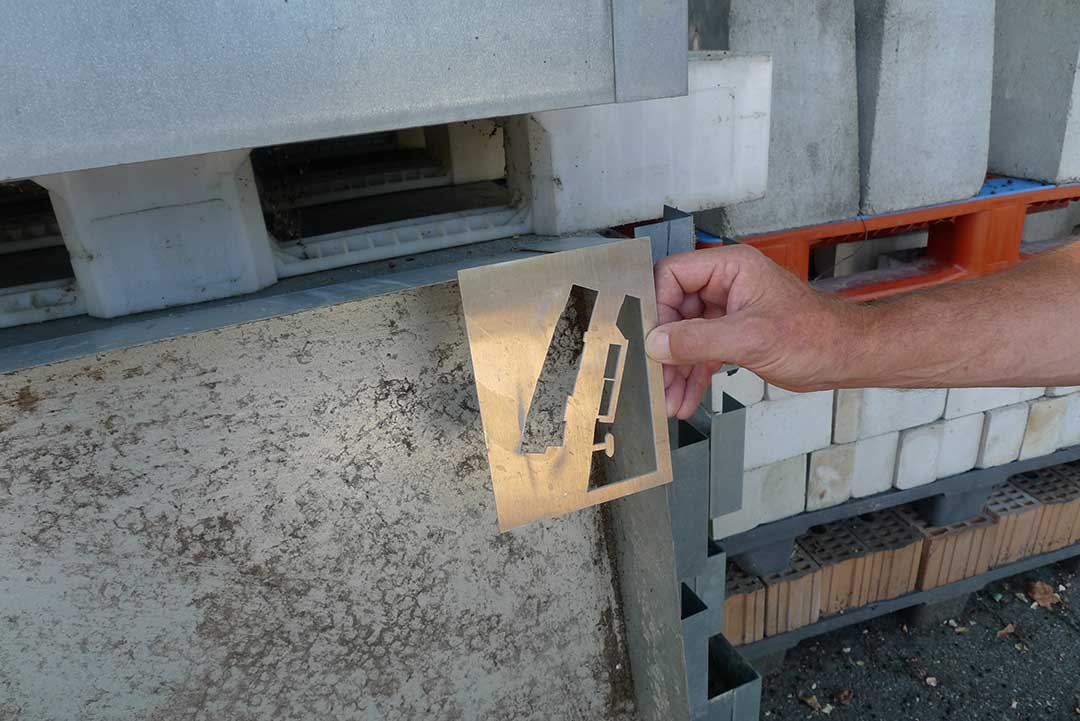
Bei der „Terra Incognita“ geht es um neue Dimensionen des Stadtklimas. Einen Ausschnitt des Plans von Kleinbasel war dafür ausgewählt und diesen in Anlehnung an Giovanni Battista Nollis Plan von Rom bearbeitet und in dreidimensionalen Kästen umgesetzt. Heute bebaute Flächen sowie künftige Entwicklungen bilden dabei schwarze Zwischenräume, in die Pionierpflanzen gesetzt wurden. Das Modell legt nahe, die Stadt als ein Naturkonstrukt wahrzunehmen und regt so zum Nachdenken über Biodiversität an: Kann die belebte Stadt so gestaltet werden, dass sie auch andere Lebensformen beherbergen kann, biodiverse Vielfaltswelten unterstützt und Kaltluftschneisen entstehen? Kann die Stadt künftig nicht nur dichter, sondern zugleich organischer und somit kühler werden?
Photography SAM / Tom Bisig; curation: Andreas Kofler
→ Read the review “Gedanken säen” by Stephanie Hegelbach in Hochparterre, 12.2020 (German)
 Forum Basel 2050