Terra Incognita

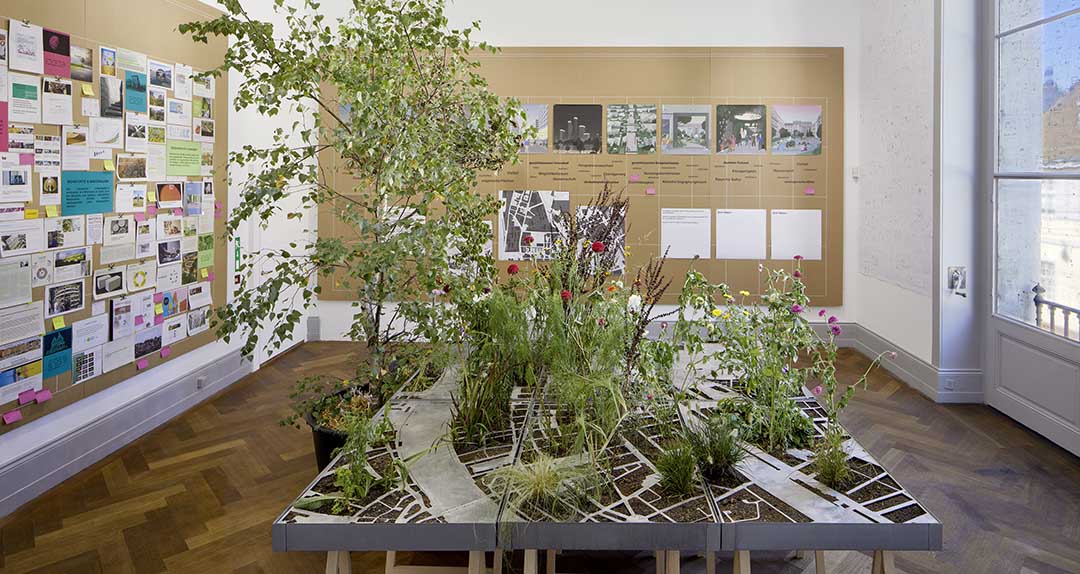
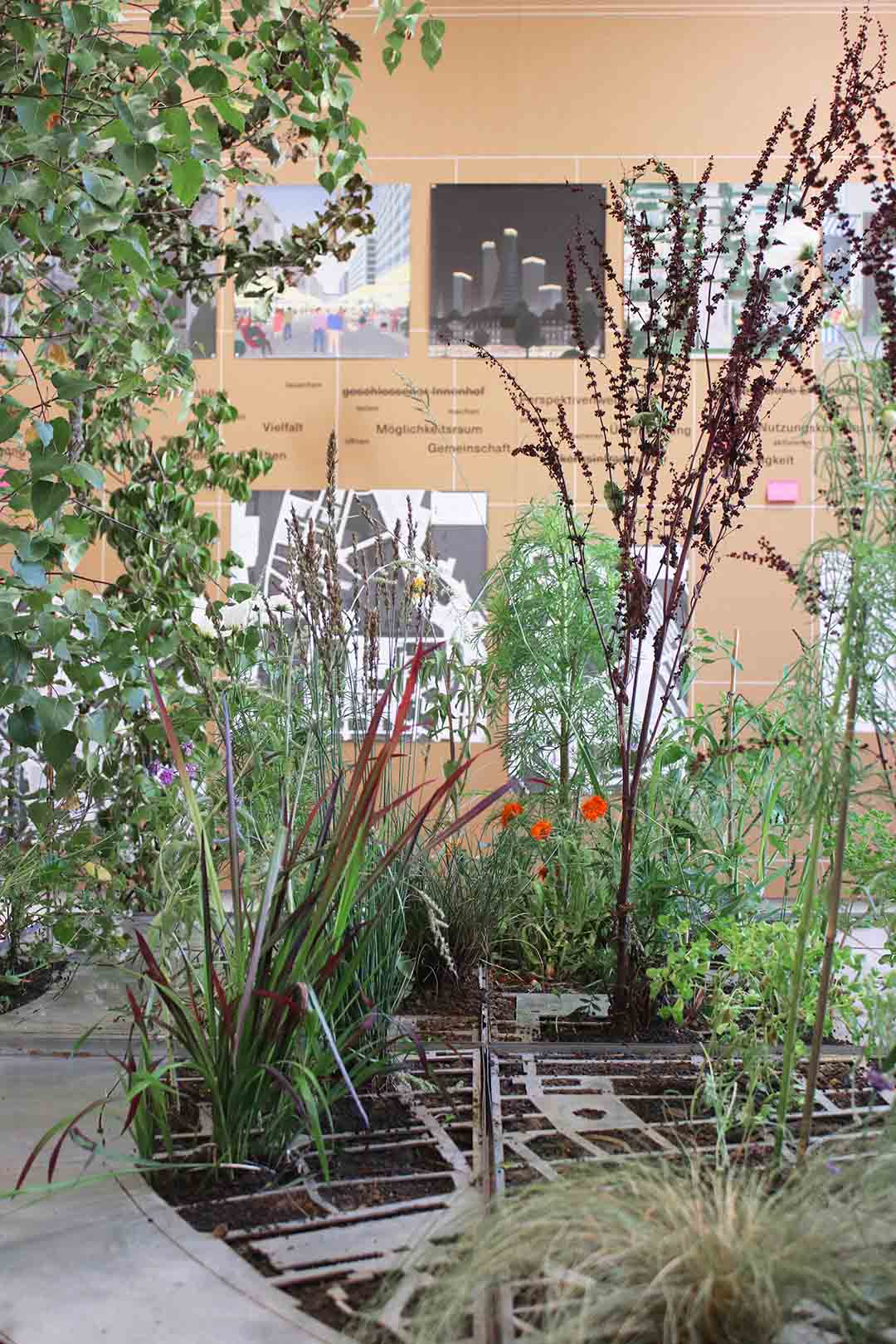
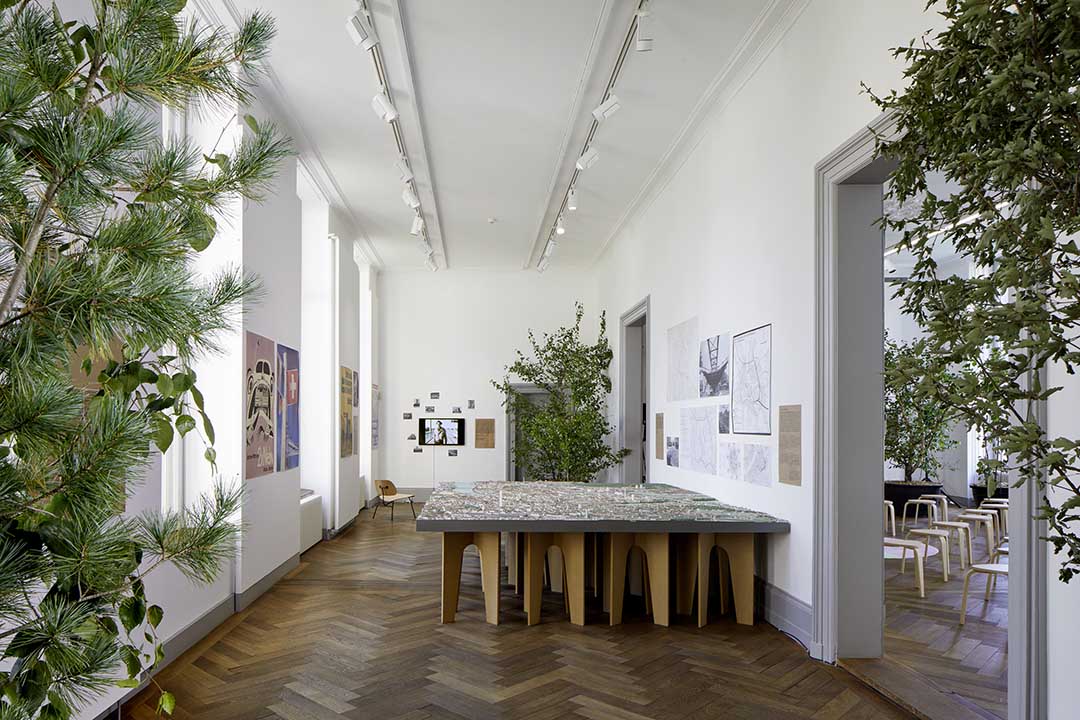
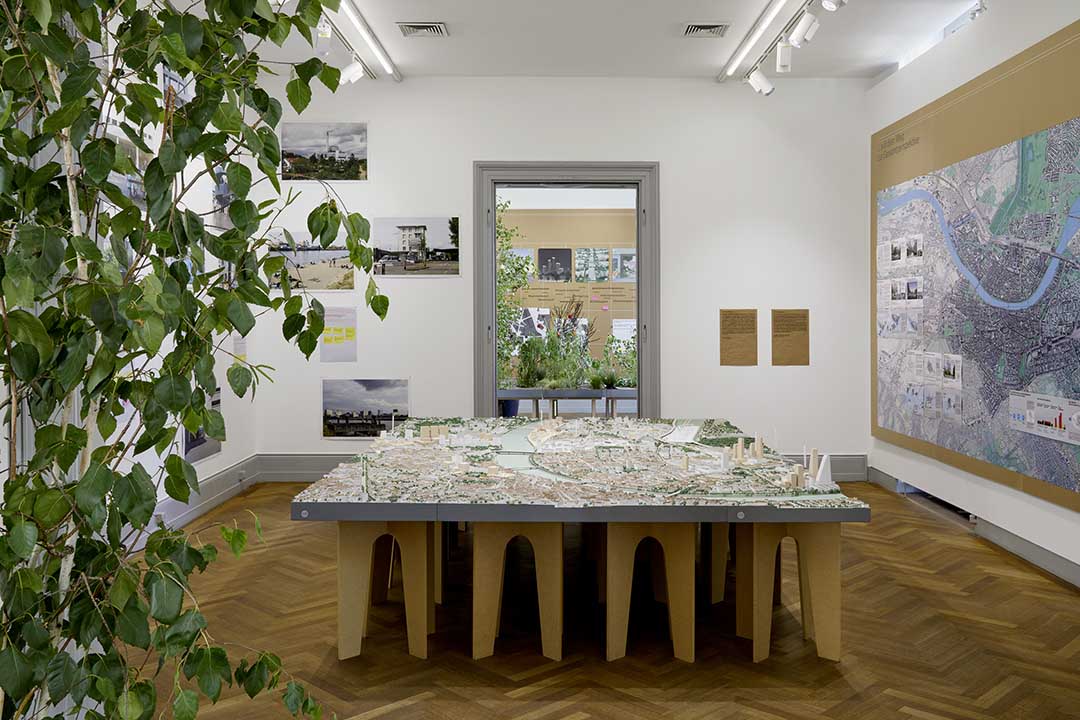
EN   Forum Basel 2050 consists of an exhibition and a series of discussion, which questions the urban development of the agglomeration. It looks back at its modern history and envisions its eventual growth. Three models are used as a tool for discussion and exchange between public officials and visitors of the museum. The first scale-replica shows the city in the sixties, at a tipping point when the townscape started some of its great infrastructural transformations, while the second model displays the current state of affairs and the upcoming developments. The third installation consists of a speculative model looking at the city from a non-human perspective.
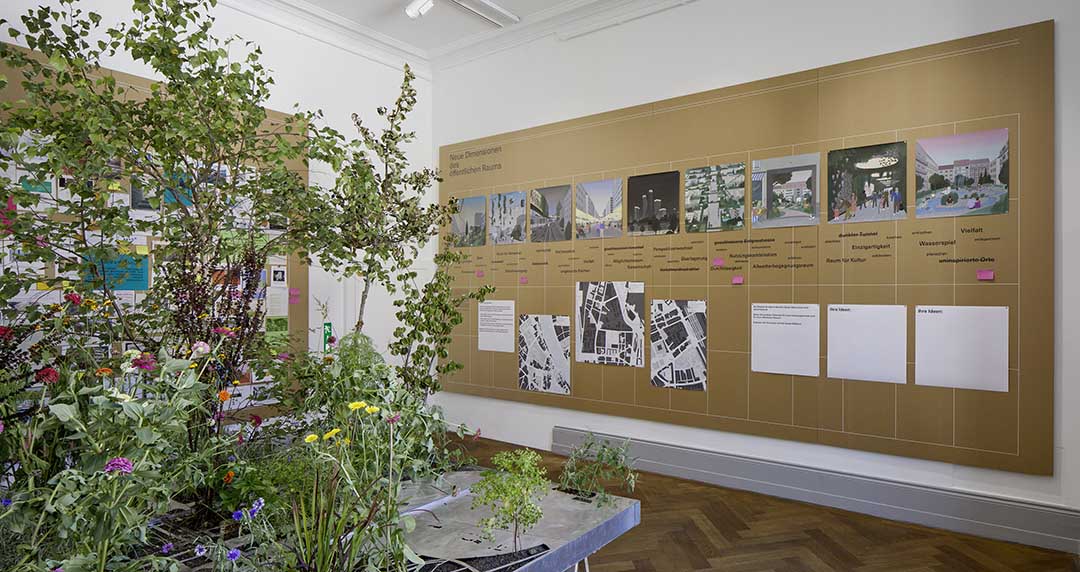
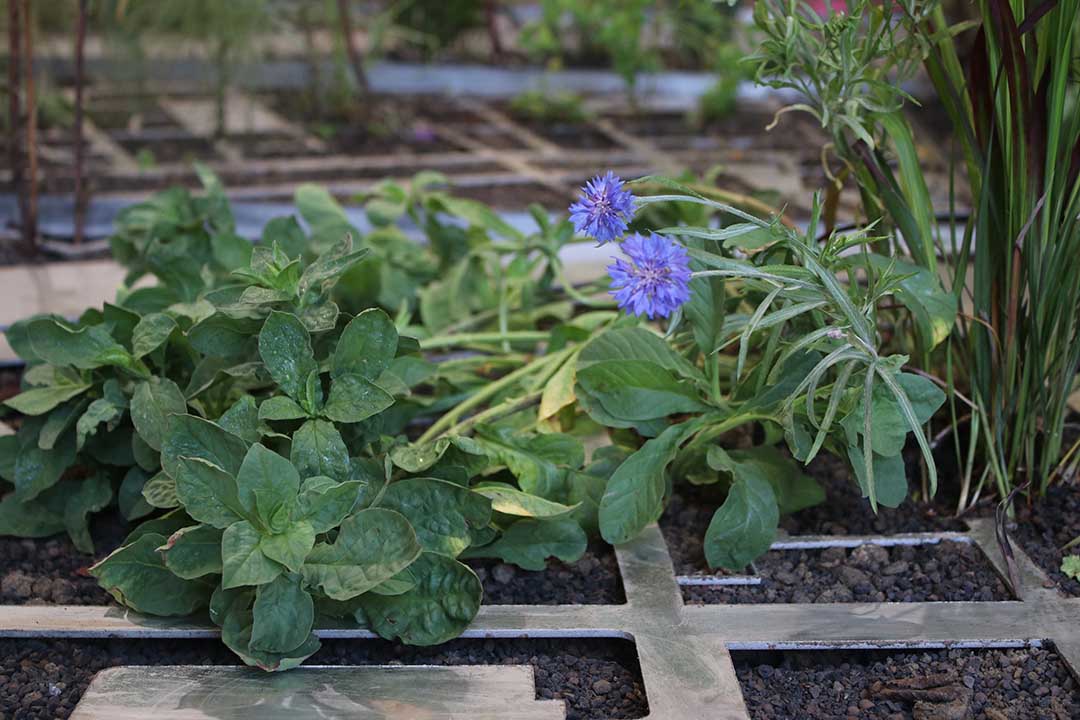
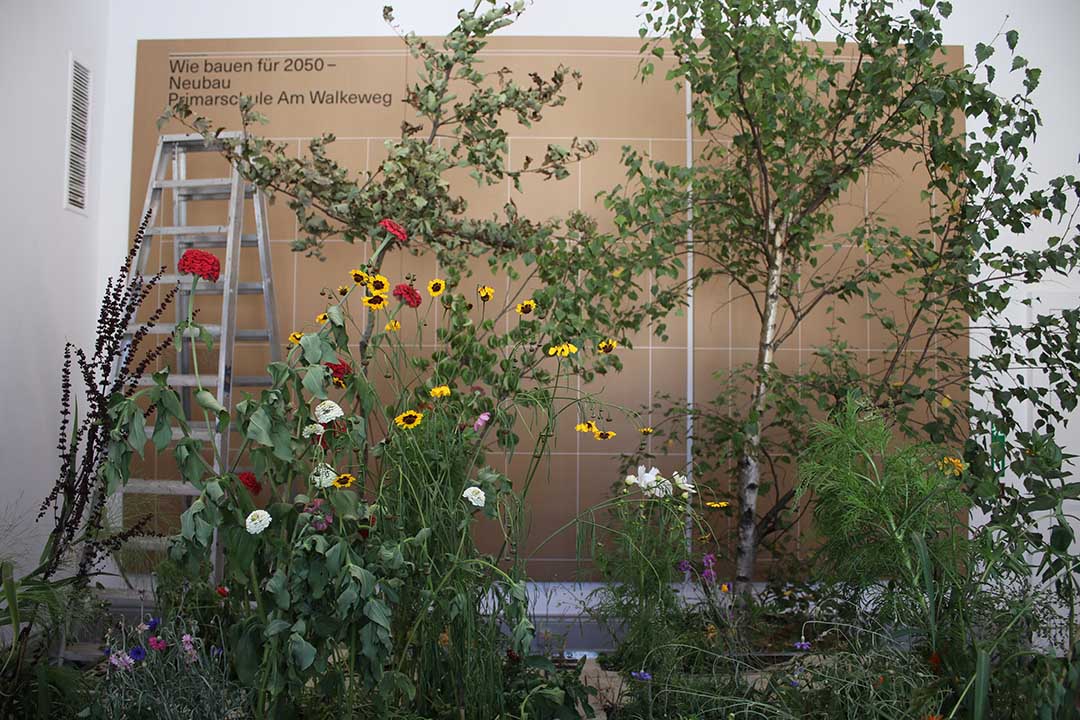
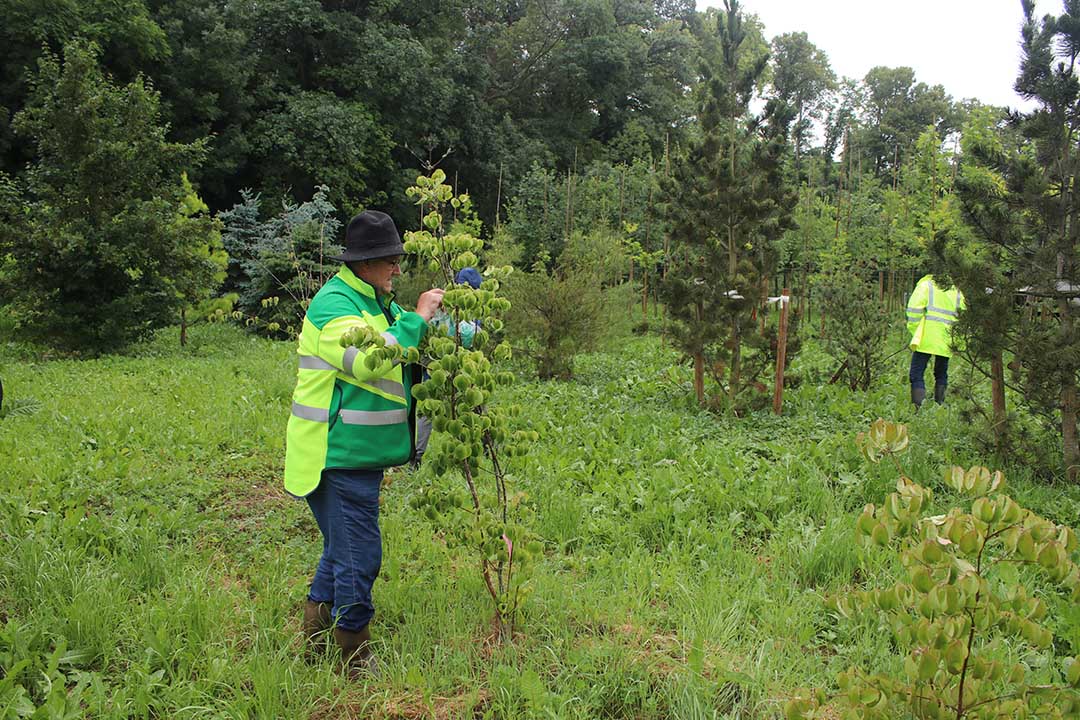
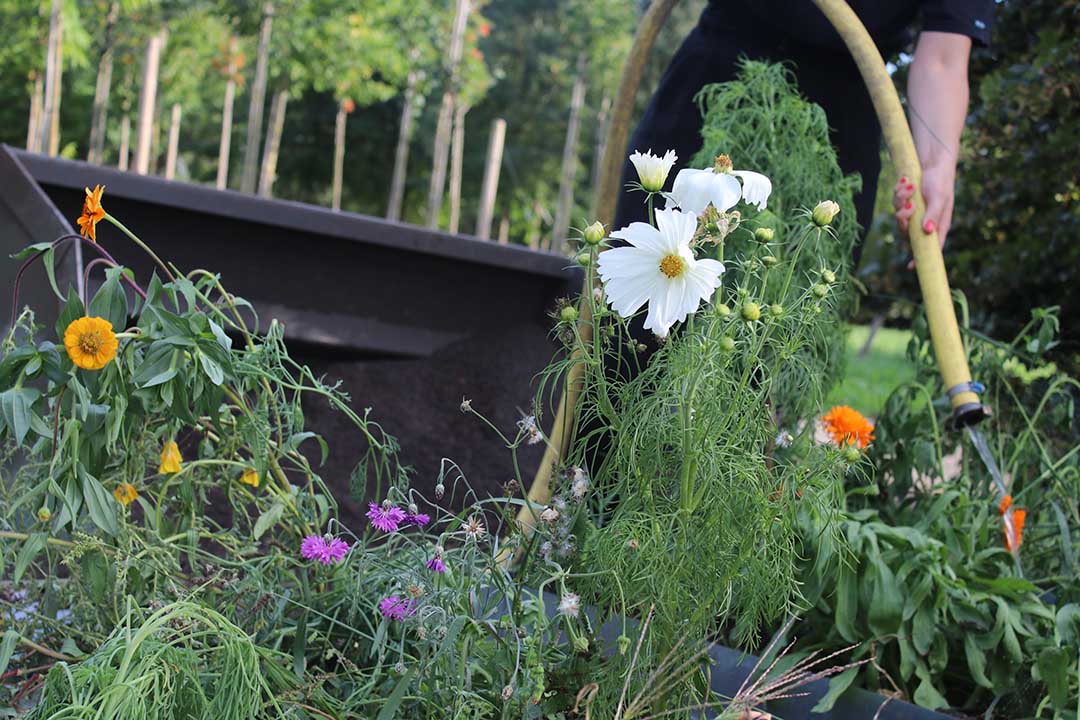
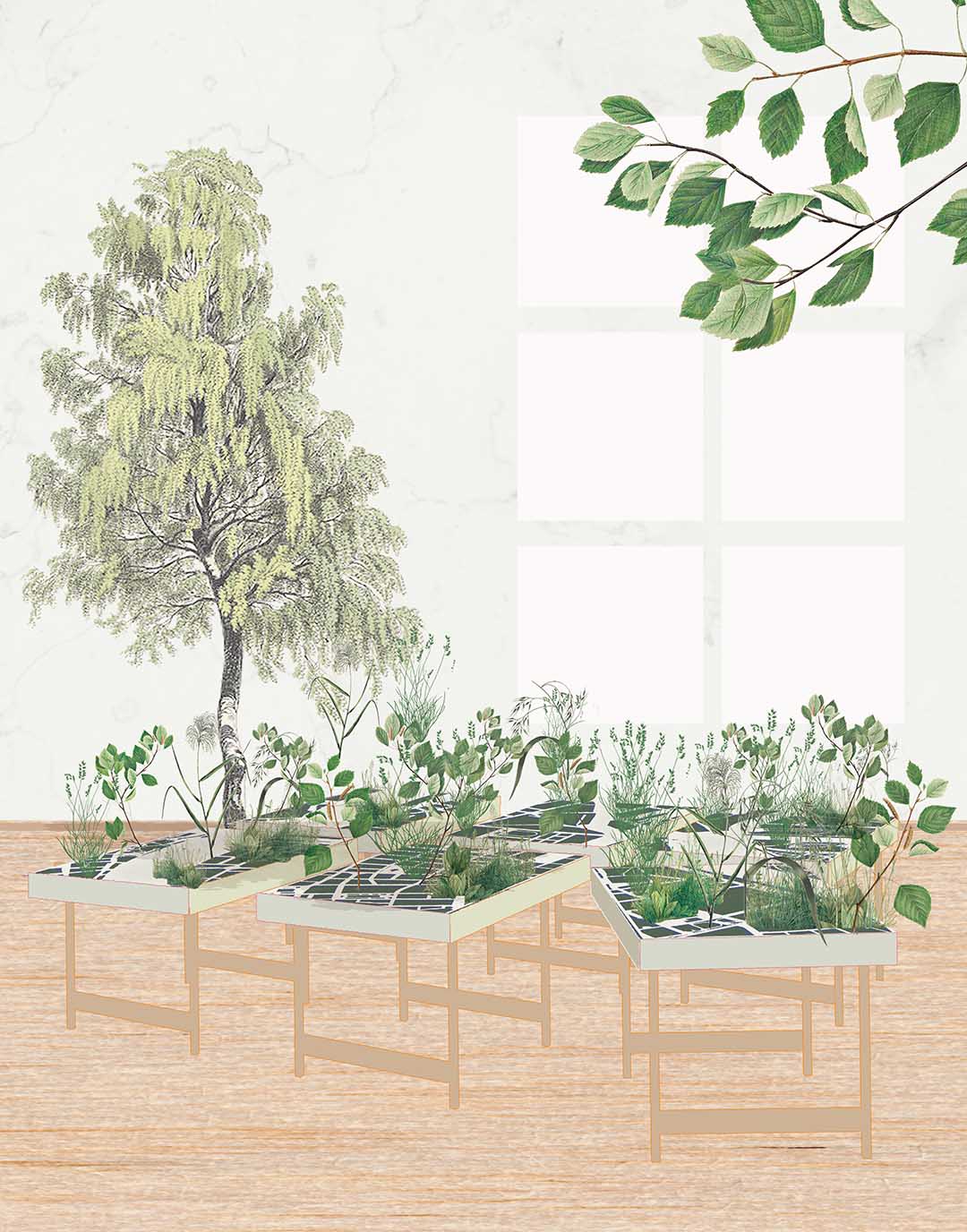
      This “Terra incognita” is conceived as a garden where pioneer plants are taking over the built fabric. Inspired by the plan of Rome from Giovanni Battista Nolli, it makes visible the frame of public space while turning the built fabric into a fertile ground hosting the growth of a third landscape in the sense of the French landscape-architect Gilles Clément. “Terra Incognita” prompts to consider the city as an organic assemble and raises questions about its nature: can a bustling town be designed in a way that it accommodates humans as well as non-humans life forms? Can Basel not only become denser, but also more organic and even cooler?

DE   Das Forum Basel 2050 beleuchtet die städtebauliche Entwicklung Basels von gestern, heute, morgen und übermorgen in Form einer Ausstellung sowie diverser Veranstaltungen. Visuell im Zentrum der Ausstellung stehen drei Stadtmodelle. Das erste Modell zeigt die Stadt Basel im Jahr 1960, als die auf den Autoverkehr fokussierte Verkehrsplanung im Zentrum stand. Das zweite Modell von 2020 bildet den Istzustand mitsamt der bereits geplanten und angedachten Entwicklung ab. Das dritte Modell ist eine sinnliche Zukunftsvision mit Pionierpflanzen, die aus einem Plangerüst eines Kleinbasler Quartier emporwachsen: die „Terra Incognita“.
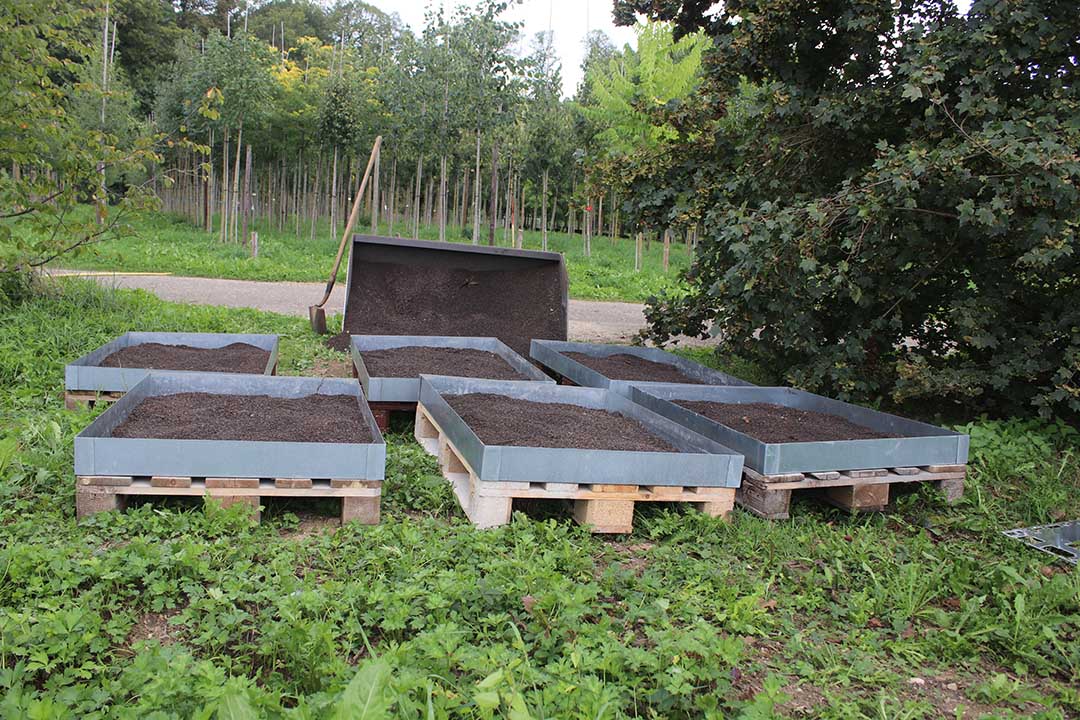
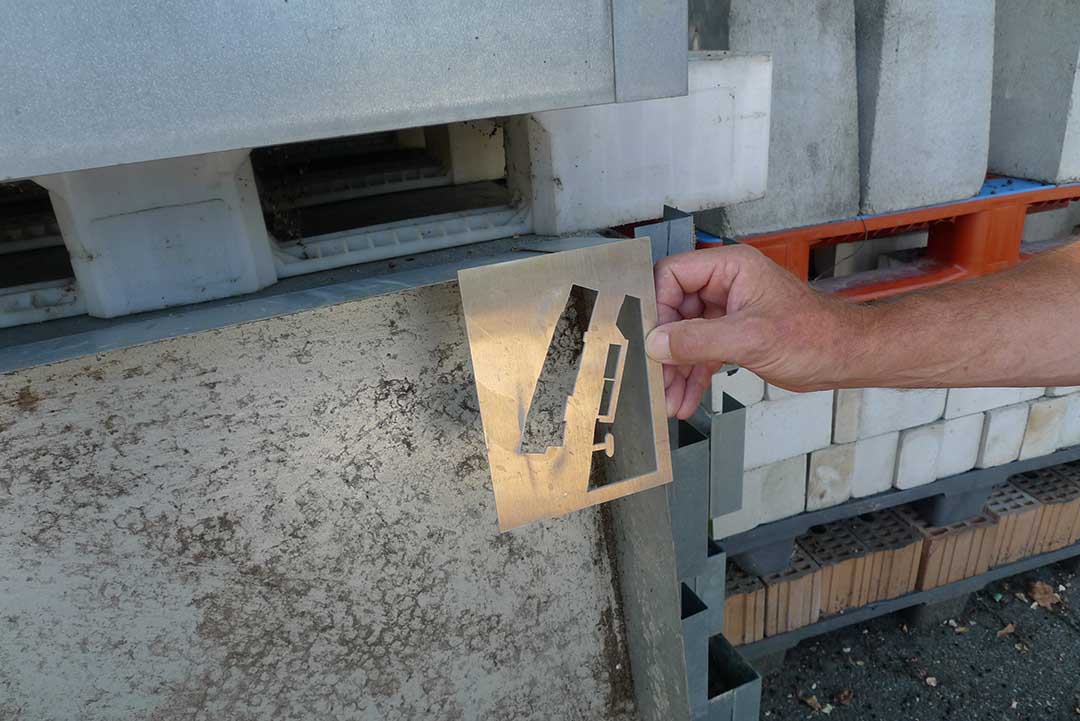
      Bei der „Terra Incognita“ geht es um neue Dimensionen des Stadtklimas. Einen Ausschnitt des Plans von Kleinbasel war dafür ausgewählt und diesen in Anlehnung an Giovanni Battista Nollis Plan von Rom bearbeitet und in dreidimensionalen Kästen umgesetzt. Heute bebaute Flächen sowie künftige Entwicklungen bilden dabei schwarze Zwischenräume, in die Pionierpflanzen gesetzt wurden. Das Modell legt nahe, die Stadt als ein Naturkonstrukt wahrzunehmen und regt so zum Nachdenken über Biodiversität an: Kann die belebte Stadt so gestaltet werden, dass sie auch andere Lebensformen beherbergen kann, biodiverse Vielfaltswelten unterstützt und Kaltluftschneisen entstehen? Kann die Stadt künftig nicht nur dichter, sondern zugleich organischer und somit kühler werden?

Photography SAM / Tom Bisig; curation: Andreas Kofler

→ Read the review “Gedanken säen” by Stephanie Hegelbach in Hochparterre, 12.2020 (German)
Forum Basel 2050 Terra Incognita Swiss Architecture Museum
Queer Nature: A Post-Anthropocene View on Plants and People

The Queer Nature project explores the little-known, often-overlooked and rare intimate behavior of the botanical world. Inscribed in “a field that doesn’t quite exist,” it investigates the relationships between ecological thought and queer theory. By presenting the diversity of the vegetable kingdom, it celebrates the multitude of shapes, gender, sexes and colors around us, challenging the belief that matter and intelligence are dissociated.

→ Buy online
→ Read pdf


queer nature archithese

Queer Nature

“If plants are our oldest teachers,” as Céline Baumann surmises, what might we learn from them? What knowledge, which stories do they have to share? One key lesson to be learned from the botanical world would be the ubiquity of queerness. No matter where you look in nature, it’s there.
      As part of an ongoing investigation into the diversity of gender expression and sexual behaviour in plants, Baumann brings together specimens, illustrations, pictures and stories. Yet the research she presents goes beyond the mere recognition that plants are often unisexual or bisexual, hermaphroditic or transitionally transgender, depending on their age, the time of day or environmental conditions. What she endeavours to convey, rather, is that such knowledge can be put to good use: to make the ground we live on—whether on a domestic, urban or national level—“porous and permeable” and “welcoming” for all.” Catherine Nichols, Creative Mediator Manifesta 14 Prishtina.

Photography: Marc Doradzillo / BfF3; Majlinda Hoxha / Manifesta 14 Prishtina; Alena Halmes / depatriarchise design; Sandra Maier / Kunstmuseum Liechtenstein; Jiří Thýn / Viper Gallery; Istvan Virag / OAT
Curation: Catherine Nichols / Manifesta 14 Prishtina; Christiane Meyer-Stoll / Kunstmuseum Liechtenstein

→ Read the interview „Plant Pleasures and Intimacies“, in l’esprit créateur, by Céline Baumann in conversation with Natania Meeker and Antónia Szabari, 2023 (English)
→ Read the essay “Queer Nature” by Céline Baumann published in the special issue of archithese on queerness, 2020 (English)
→ Read the essay “Ce que nous dit l’intimité du kiwi et du crocus” by Céline Baumann in the independent magazine mille cosmos, 2022 (French)
→ Listen to the podcast “Queer Nature” of the Botanical Mind Online, Camden Art Centre, London, 2020


Oslo Architecture Triennale Oslo arkitekturtriennale 2019 Degrowth Enough festival Queer Nature studio celine baumann Frogner Park

Ramification

EN   Plants usually expand through a process of ramification, forming branching structures that become increasingly thinner and more intricate as they grow. A tree, for instance, subdivides its aerial structure into branches and twigs in order to extend its foliage efficiently. This botanical process also manifests itself at the scale of the landscape; such as in the case of a watershed, where small tributaries flow into increasingly wide rivers before reaching the sea.
      In the process of gradual ramification, systems react sensitively to given environmental conditions and incorporate those that favour their growth while neglecting those that do not. As part of such complex systems, landscape architects must explore how they can intervene to manipulate the natural conditions in such a way that the desired changes are brought about.
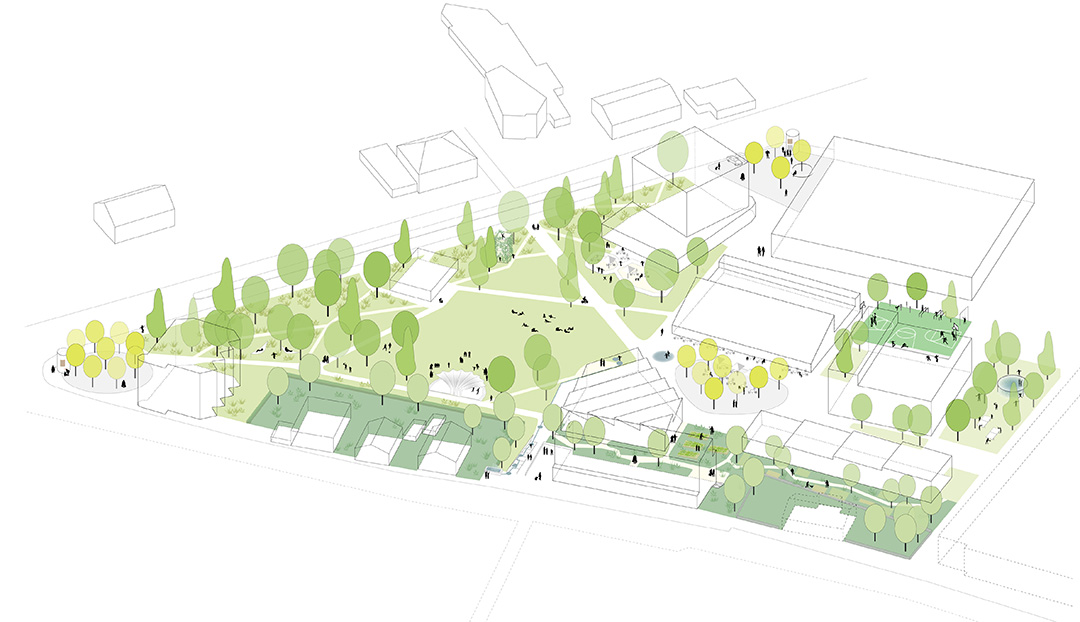
      This exhibition brings together the work of landscape architects, urbanists, biologists and students from various backgrounds and generations, who are—consciously or unconsciously—drawing on the metaphor of ramification within their practice. Their work exemplifies how the understanding of natural processes allows beneficial relationships with our natural environment to be cultivated. They demonstrate the possibility, and furthermore, our responsibility, to accommodate life within damaged territories in order to shape resilient ecosystems.

DE   Pflanzen wachsen in der Regel durch den natürlichen Vorgang der Verästelung (Ramification), d. h. sie bilden Strukturen aus, die sich verzweigen und mit zunehmender Ausdehnung immer feiner und komplexer werden. Ein Baum beispielsweise unterteilt seine oberirdische Struktur in Äste und Zweige, um sein Blattwerk effizient zu erweitern. Dieser botanische Prozess zeigt sich auch auf der Ebene von Landschaften, zum Beispiel in einem Wassereinzugsgebiet, wo kleine Nebengewässer in immer größere Flüsse münden, bevor sie das Meer erreichen.
      Im Prozess fortschreitender Verästelungen reagieren die Systeme sensibel auf gegebene Umweltbedingungen und inkorporieren diejenigen, die ihrem Wachstum entgegenkommen, während andere vernachlässigt werden. Als Teil solcher komplexen Systeme müssen auch Landschaftsarchitekt*innen herausfinden, mit welchen Eingriffen sie die Bedingungen so manipulieren können, dass die gewünschten Veränderungen herbeigeführt werden.
      Die Ausstellung zeigt Arbeiten von Landschaftsarchitektinnen, Stadtplanerinnen, Biolog*innen und Studierenden verschiedener Herkunft und Generationen, die – bewusst oder unbewusst – die Metapher der Verzweigung in ihre Arbeit einbeziehen. Ihre Praxis macht anschaulich, wie das Verständnis natürlicher Prozesse es ermöglicht, vorteilhafte Beziehungen zu unserer natürlichen Umwelt zu kultivieren. Sie illustrieren die Möglichkeit und darüber hinaus die Verantwortung, auch in geschädigten Gebieten eine lebendige Vielfalt zu ermöglichen, um widerstandsfähige Ökosysteme zu schaffen.

Contributors: Altitude 35; Chair of Being Alive, ETHZ; Inside Outside, Petra Blaisse; Studio Paola Viganò; Superpositions, Georges Descombes, Atelier ADR; Sylvie Viollier, Cyril Verrier, La Frontière; mavo Landschaften and the students of Studio Rhizomes.
Curation: Céline Baumann with the support of Myriam Treiber
Photography: SIK-ISEA, Martin Stollenwerk, courtesy of Museum im Bellpark Kriens, 2024

→ Read the related publication Ramification, edited by Céline Baumann and published by the Museum im Bellpark, 2025 (English)
→ Read the review in the Hochparterre by Maarit Ströbele, 2024 (German)
→ Read the review in the werkbauenwohnen by Rolan Züger, 2024 (German)
→ Read the review in the Luzerner Zeitung by Susanne Holz, 2024 (German)

Everything Goes in Nature: Learnings From the Plant Kingdom

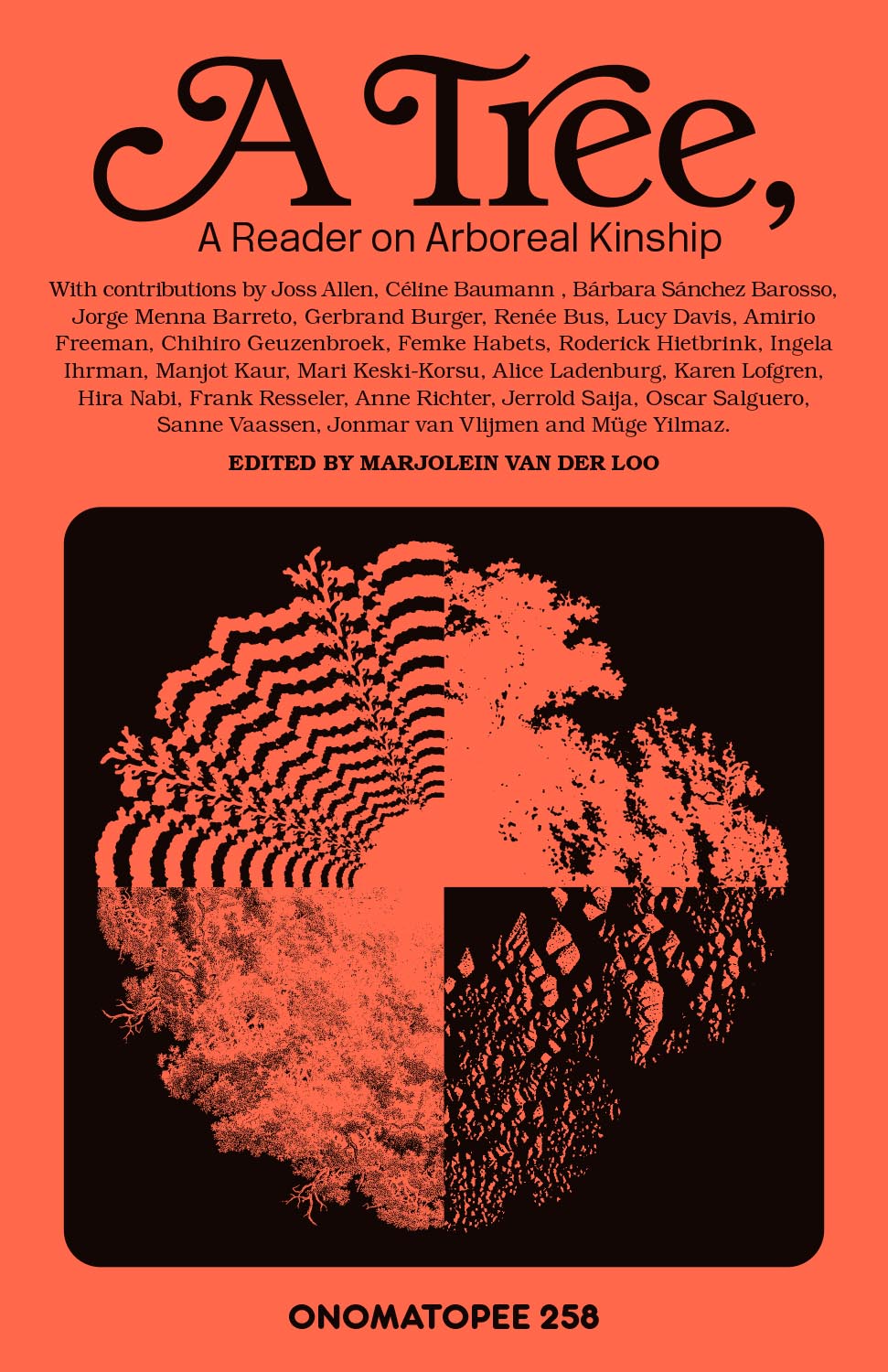
A Tree, is about vegetal agency, plant knowledge, and the interaction between plants and people, with a specific focus on trees. Like all plants, trees make the world; they literally create soil, shape landscapes, and affect the climate. They produce oxygen. They provide fuel, food, building materials, and shelter, and form ecologies where a myriad of species come together to enter into various symbiotic partnerships. Trees are wonderful to think with, and humans have been doing so—through meditation, in all kinds of storytelling, and as partners in problem-solving—probably for as long as they have walked the earth.
      Trees are also time tellers, rather than following industrial time, clock time, or any time defined by human activity, trees relate to their own experience of time. Through this reader, the aim is to nurture and encourage dialogues and to share inspiration on exercising arboreal kinship by taking the time to think about trees differently through imagination, art, music, storytelling, poetry, and images. Moreover, the contributions in A Tree, inspire us to move beyond large systems of oppression and towards exorcizing anthropocentrism, capitalism, individualism, heteronormativity, and coloniality, by learning from and with tree time.

Made possible by Onomatopee Projects

→ Buy online
→ Read pdf