Research

Neue Wildnis

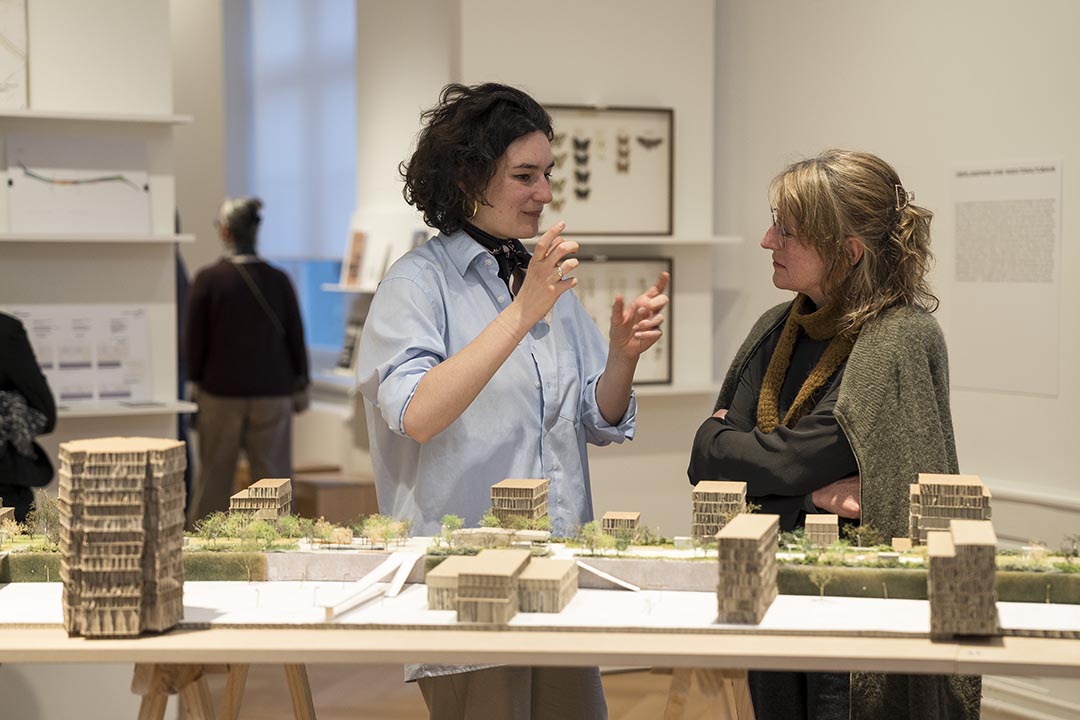
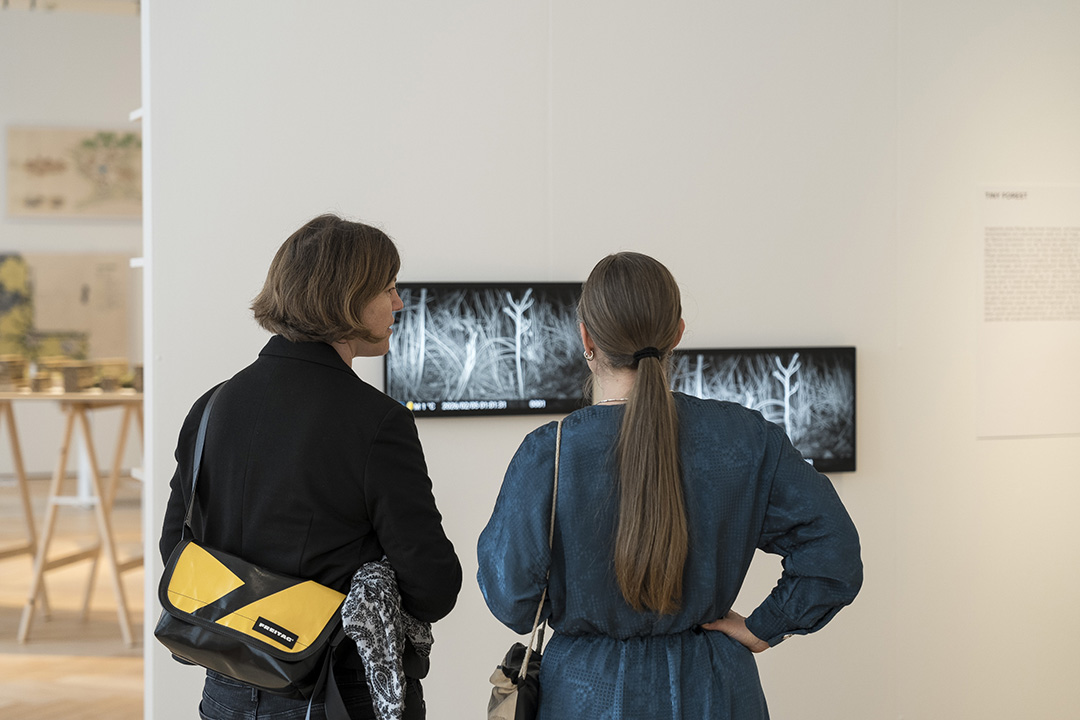
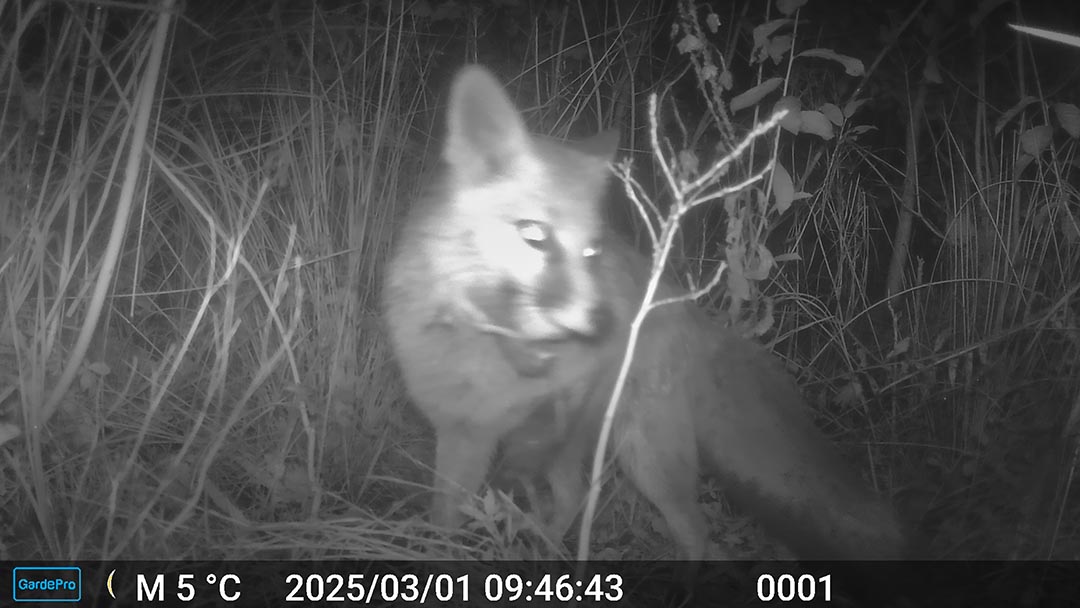
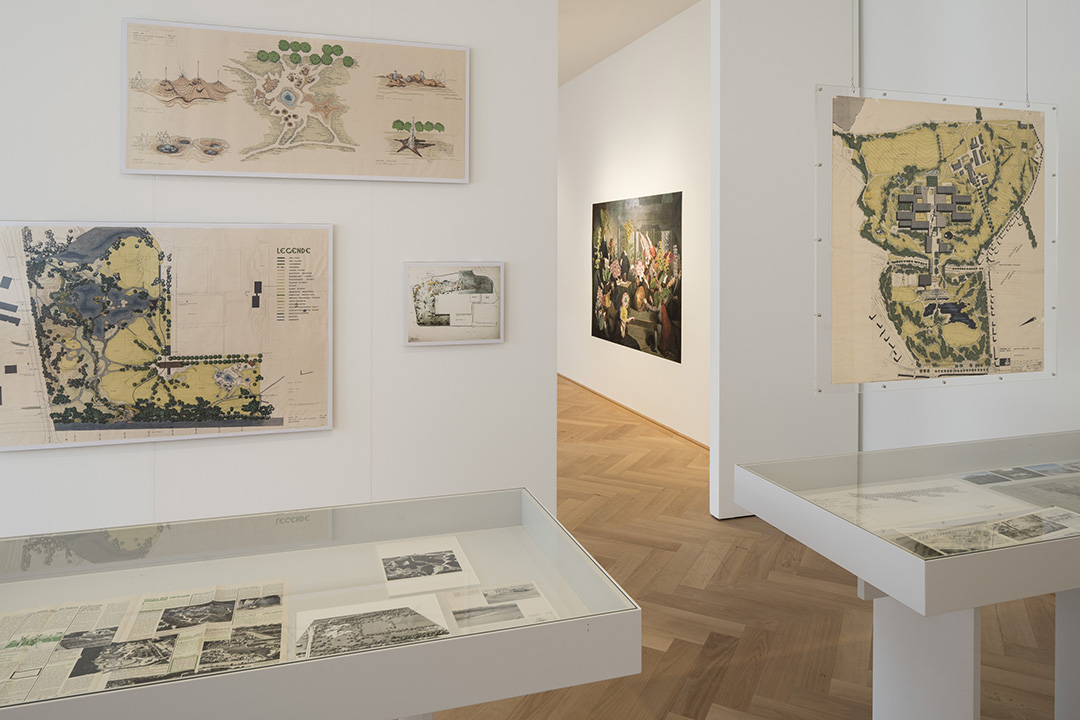
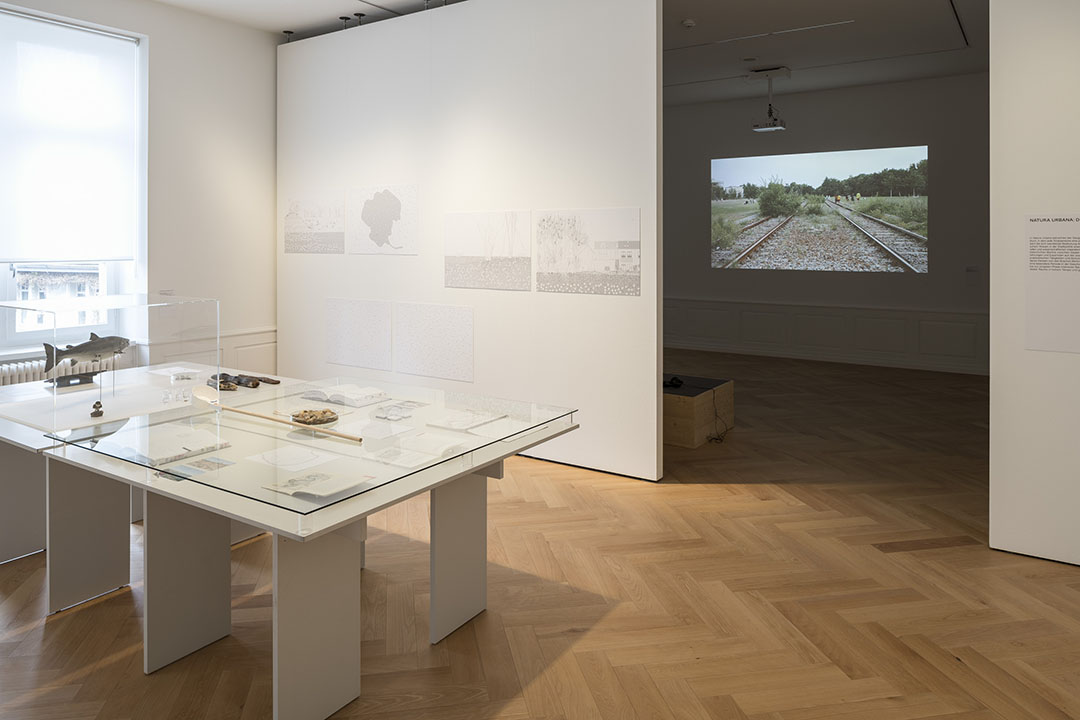
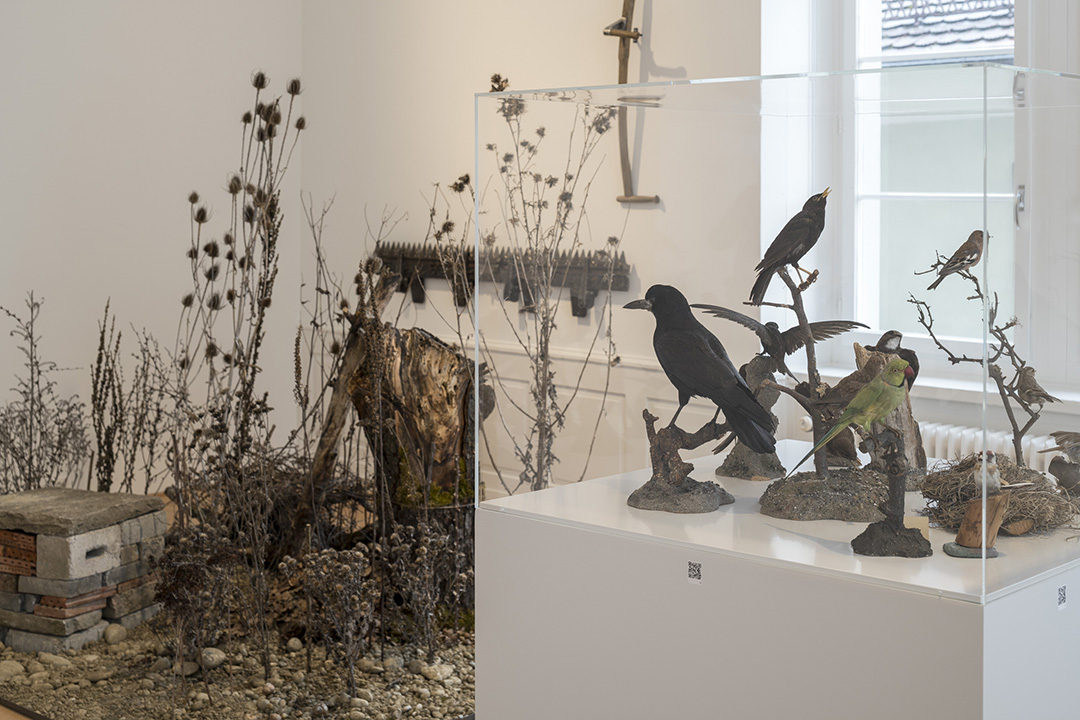
EN   Cities are not only good places for humans to live, they are also called homes by many animal and plant species that find suitable substitute habitats there. Pioneer trees on brownfields, ruderal landscapes along train tracks, non-native species spreading along the highways, spontaneous herbs growing between pavement cracks… We are surrounded within our urban landscapes by a spontaneous vegetation, which takes opportunity of the diversity of urban ecological niches in order to live an untamed existence. The term new wilderness was coined by the German botanist and urban ecologist Ingo Kowarik, to refer to this novel type of ecologies that results both from natural and cultural processes.
      Urban fauna and flora render valuable ecological services including storing rainwater and releasing it into the atmosphere, creating local cooling islands and welcoming shade, offering habitat for insects, birds, and small mammals, cleaning the air of dust producing oxygen, counteracting soil compaction, and increasing soil biodiversity. All of those benefits deserve today to be fully acknowledged as they offer the chance to shape resilient ecosystems beneficial not only to other living beings but also to our human species. Fostering this different type of Nature enables the possibility of creating a place where we can not only nurture life in general, but also and more especially encourage an emancipated kind of life, where plants are recognized to have a value of their own, beyond how valuable they are to us. This offers the tremendous potential to shape an innovative and hopeful approach to our contemporary landscapes, one both ecologically conscious and devoid of nostalgia.

DE   Im urbanen Umfeld macht sich zunehmend eine Spontanvegetation breit, die jede verfügbare ökologische Nische nutzt, um ein ungezähmtes Leben zu führen: Kräuter zwischen Pflastersteinen, seltene Pflanzen auf Brachen, wilde Gewächse und nicht heimische Arten entlang von Bahngleisen oder Autobahnen. Das Gewerbemuseum Winterthur rückt die einzigartigen Qualitäten dieser besonderen Art von Natur in den Fokus und zeigt das Potenzial solcher Stadtlandschaften auf. Überraschende Kräuter, die zwischen Pflastersteinen wachsen, Pionierbäume auf brachliegenden Grundstücken, seltene Pflanzenarten auf ungenutztem Ödland, wilde Gewächse entlang der Bahngleise, nicht heimische Arten, die sich an den Rändern der Autobahnen ausbreiten.
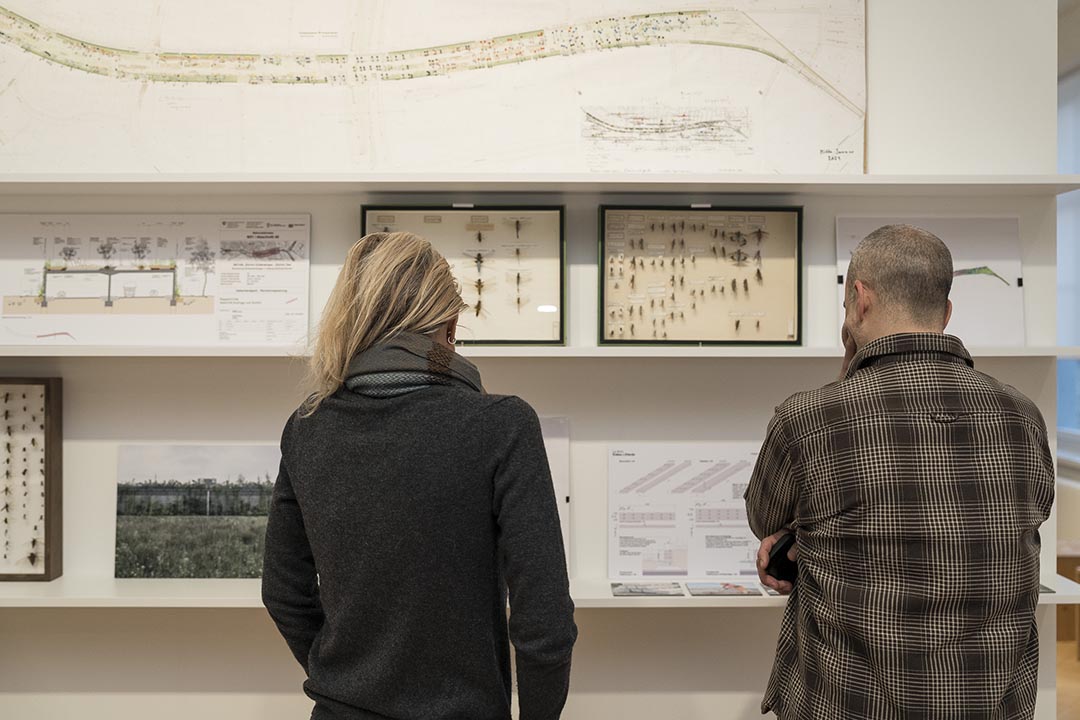
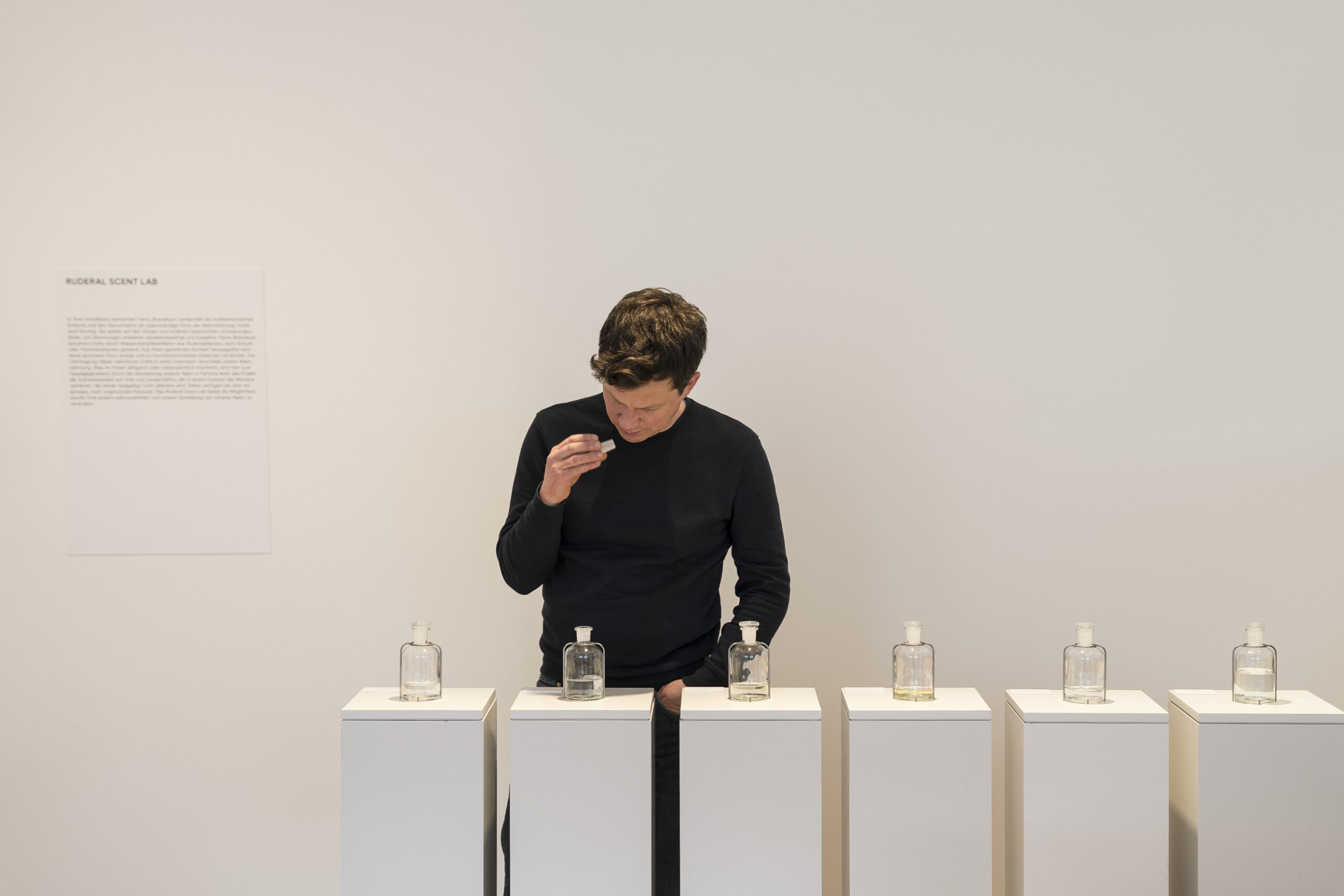
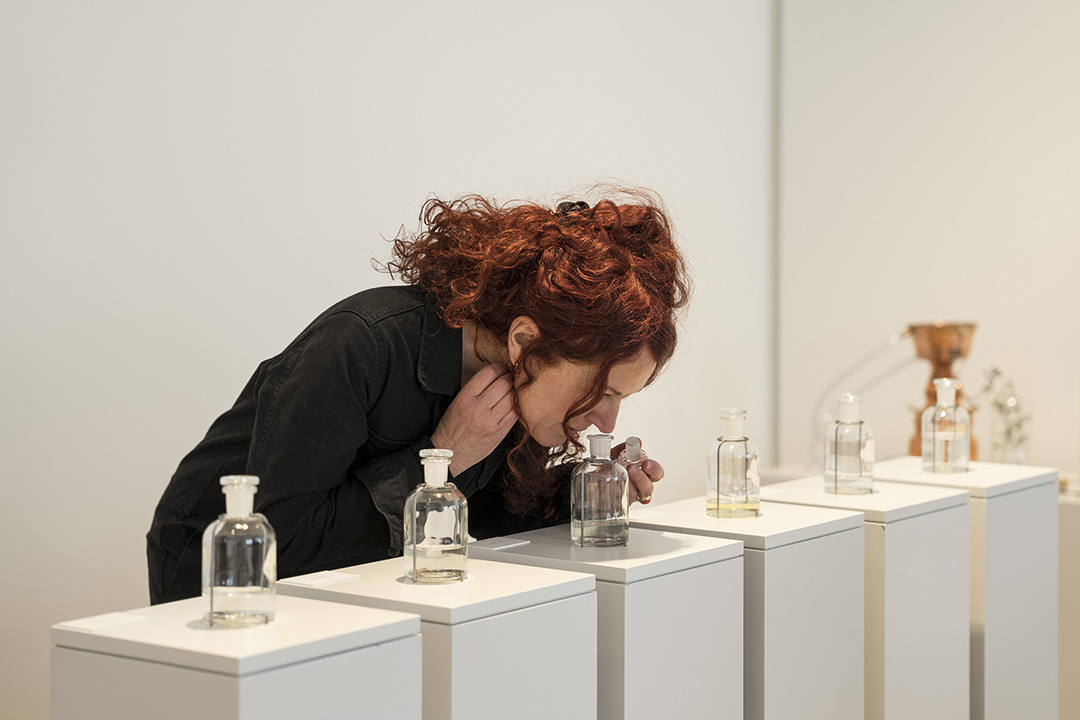
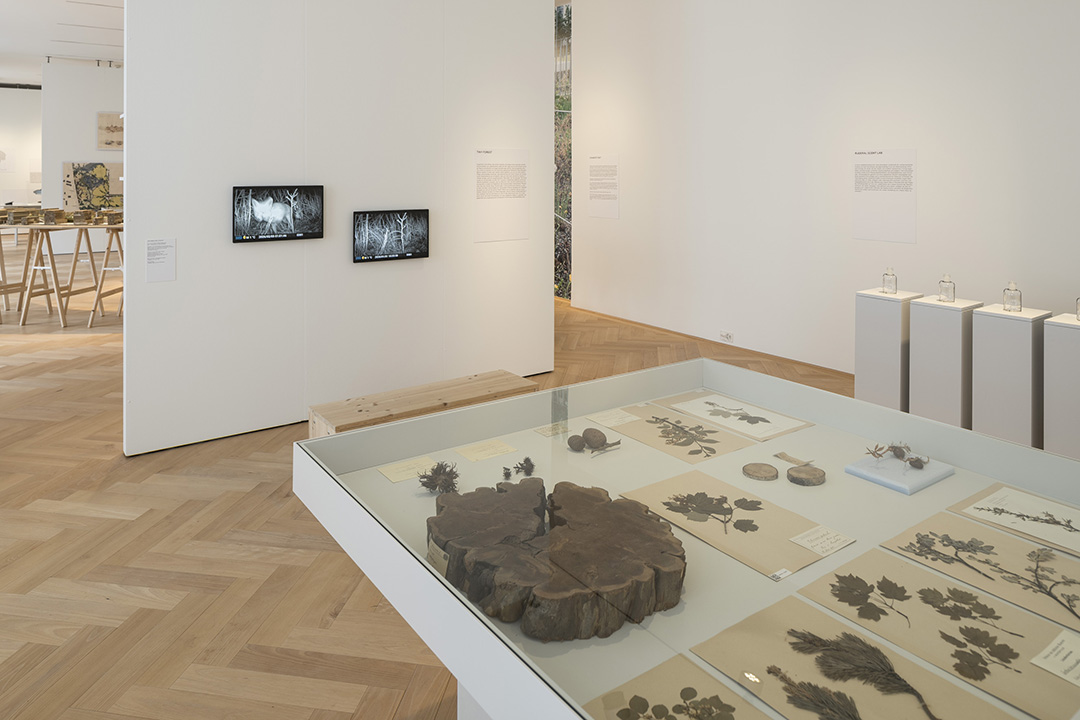
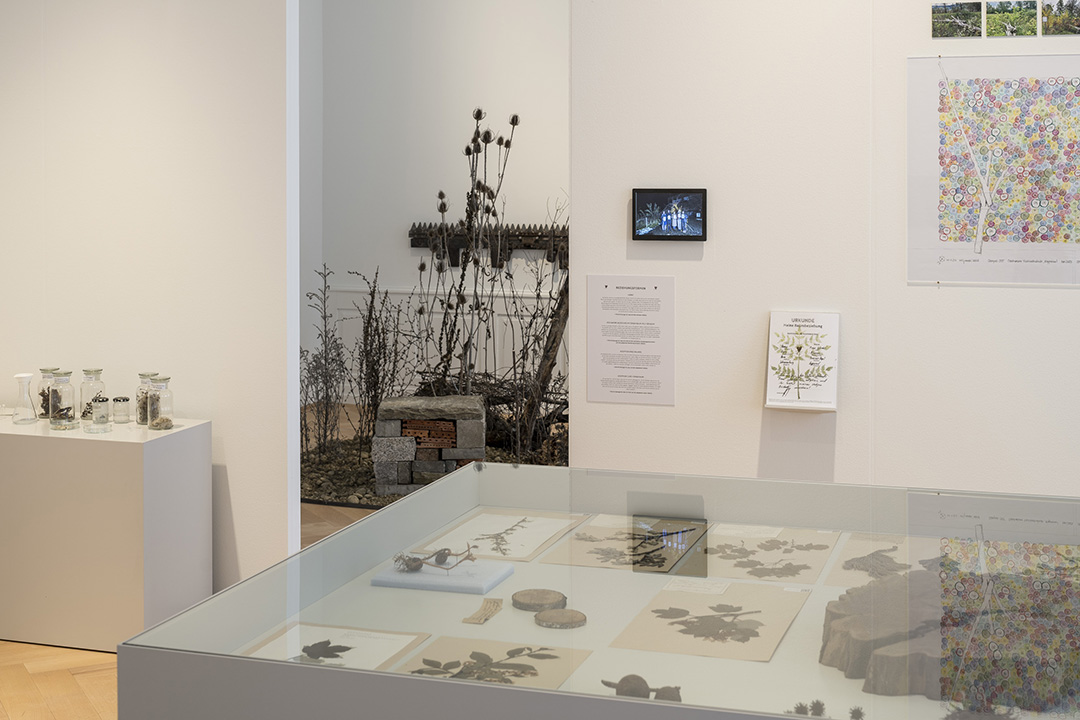
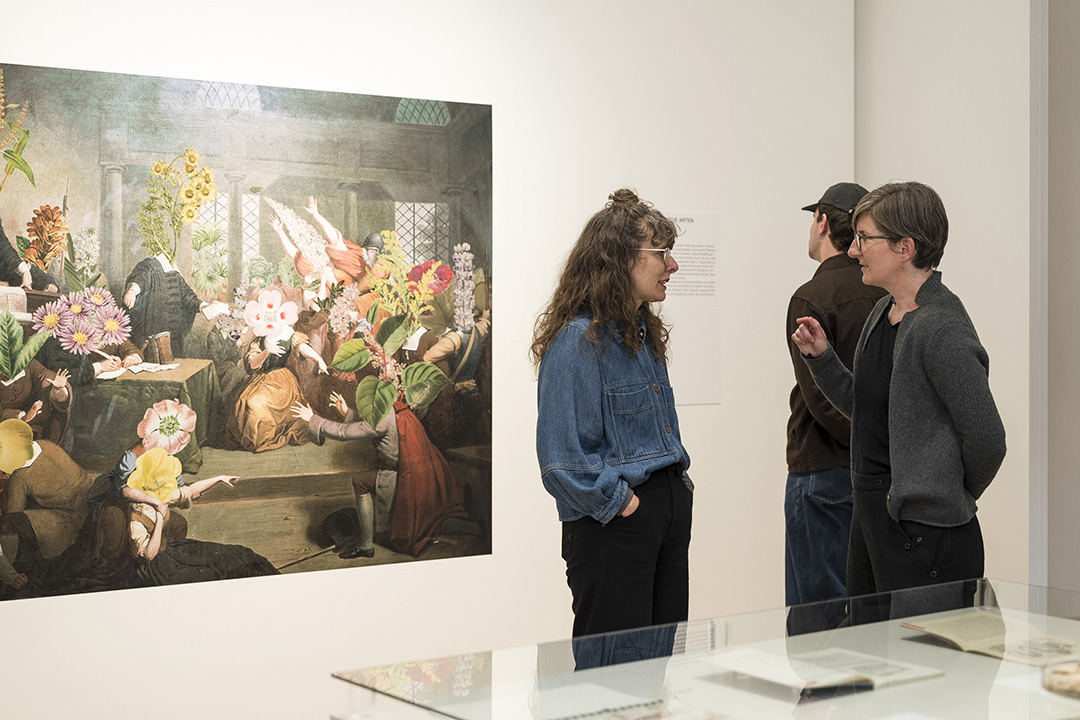
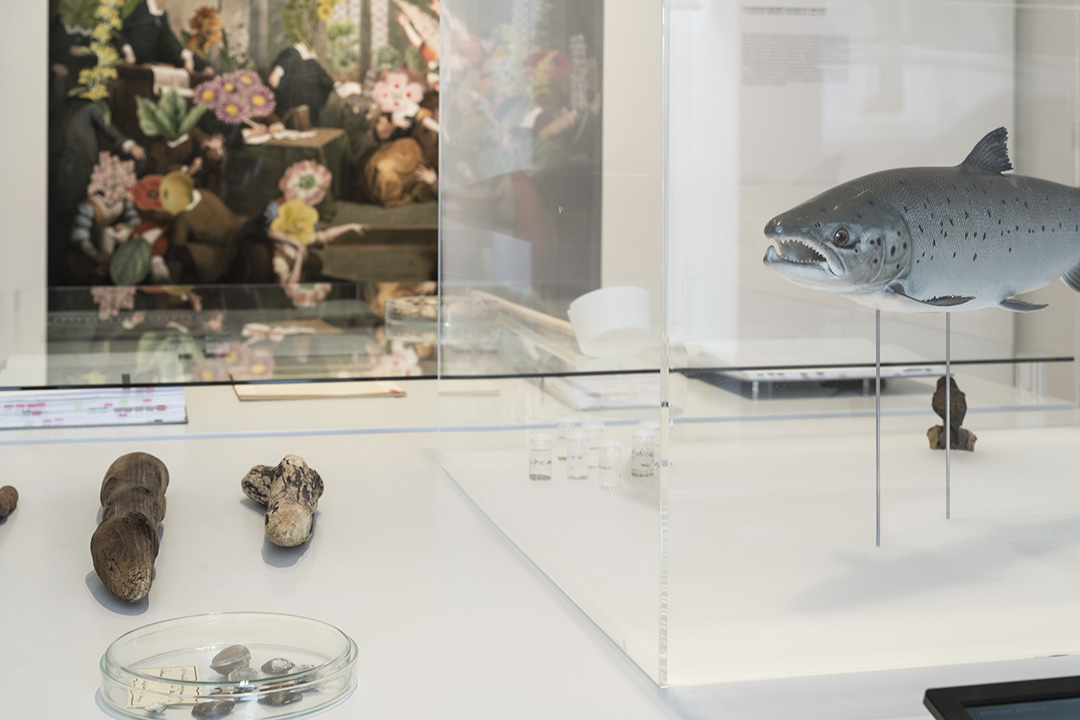
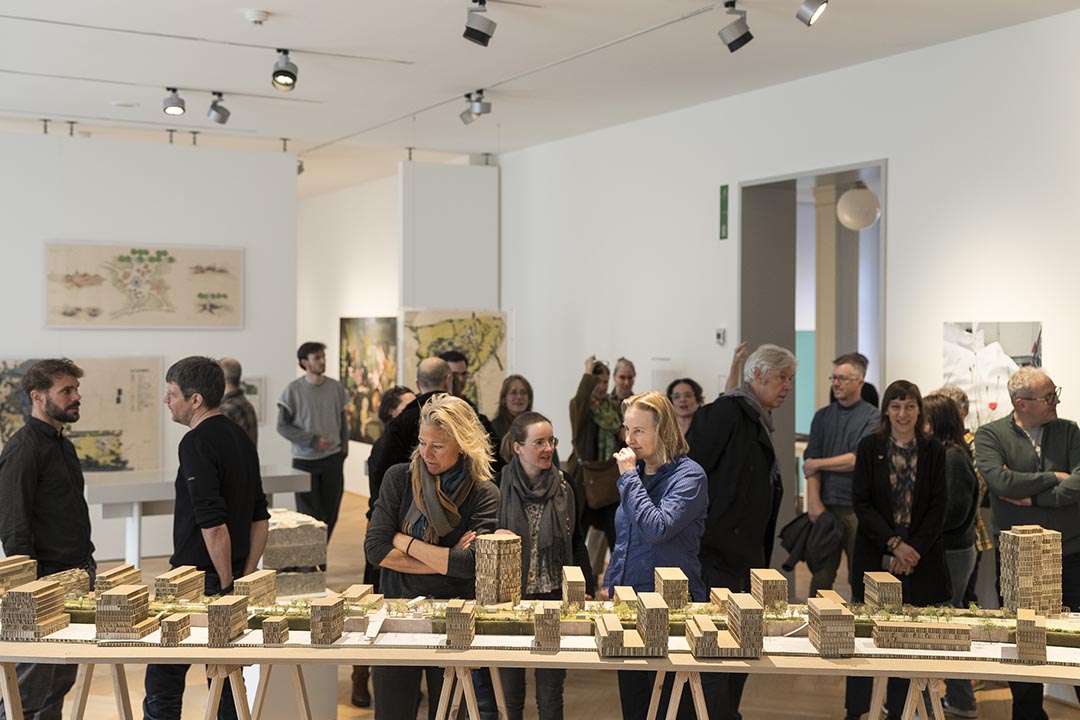
      Wir sind in unserem urbanen Umfeld von einer Spontanvegetation umgeben, die jede verfügbare ökologische Nische nutzt, um ein ungezähmtes Leben zu führen. Diese besondere Art von Natur verdient es heute, nicht nur für ihre einzigartigen Qualitäten gewürdigt, sondern auch gefördert zu werden. Sie bietet das Potenzial, einen hoffnungsvollen Ansatz für unsere heutigen Stadtlandschaften und Lebenswelten zu entwickeln, der sowohl ökologisch bewusst als auch frei von Nostalgie ist. Die Ausstellung «Neue Wildnis» präsentiert ausgewählte Projekte aus Landschaftsarchitektur, Forschung und Ökologie, die mit innovativen Perspektiven eine neue Wildnis fördern und ein zukunftsweisendes Verständnis von Stadtnatur teilen.

New Wilderness is curated by Studio Céline Baumann in collaboration with the Gewerbemuseum Winterthur.

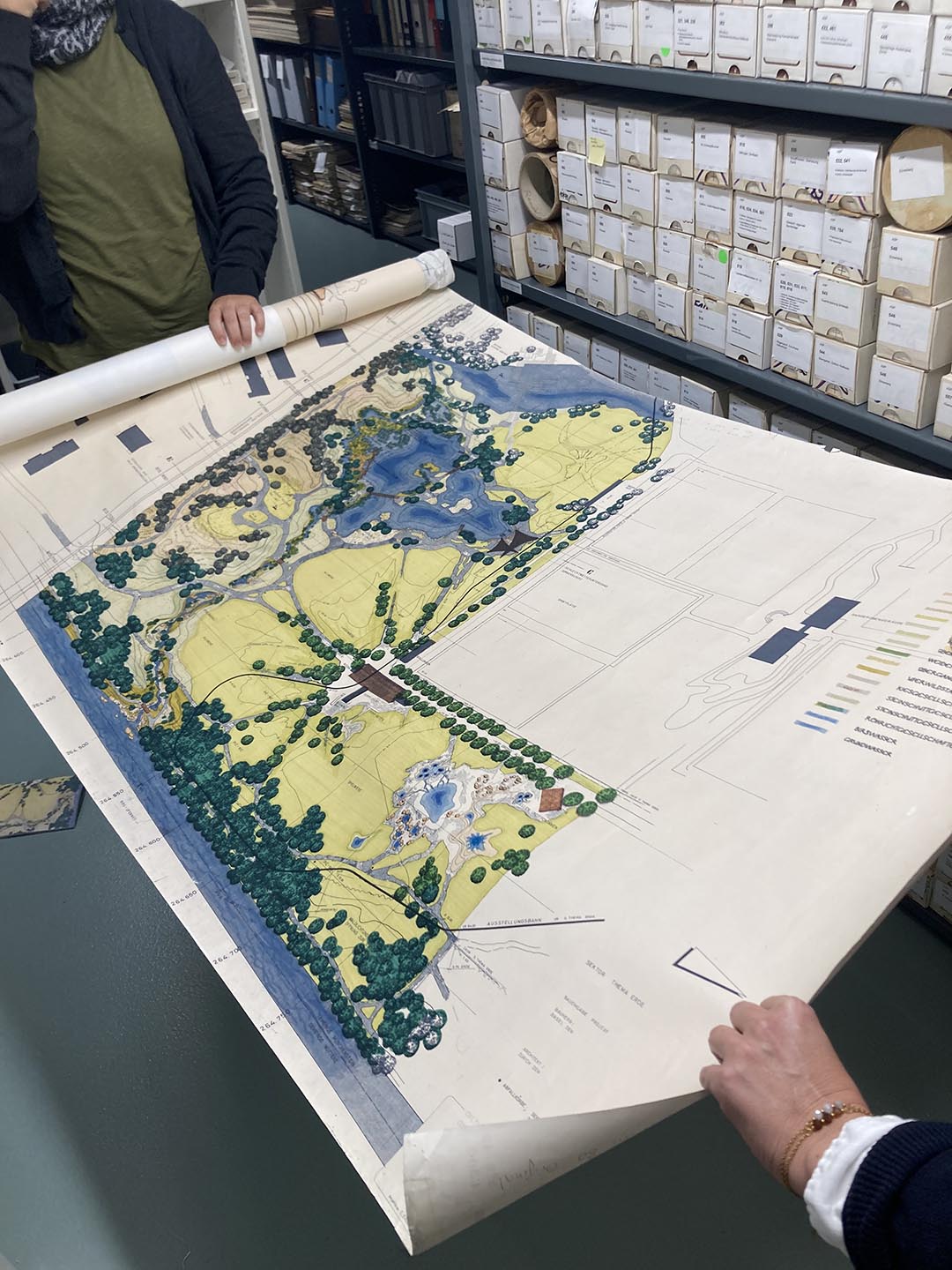
With projects and loans from: Archiv für Schweizer Landschaftsarchitektur; Céline Baumann; Fanny Brandauer; Matthew Gandy: Johanna Just; Franziska Klose; Krebs und Herde; Winterthur Nature Museum; OST, Rapperswil; Stadtgrün Winterthur

Photography: Michael Lio
Team SCB: Céline Baumann, Hannah Ehre

→ Read the review in the Hochparterre by Maarit Ströbele, 2026 (German) 
→ Listen to the interview from Kaa Linder for SRF (German)
​

Queer Nature

“If plants are our oldest teachers,” as Céline Baumann surmises, what might we learn from them? What knowledge, which stories do they have to share? One key lesson to be learned from the botanical world would be the ubiquity of queerness. No matter where you look in nature, it’s there.
      As part of an ongoing investigation into the diversity of gender expression and sexual behaviour in plants, Baumann brings together specimens, illustrations, pictures and stories. Yet the research she presents goes beyond the mere recognition that plants are often unisexual or bisexual, hermaphroditic or transitionally transgender, depending on their age, the time of day or environmental conditions. What she endeavours to convey, rather, is that such knowledge can be put to good use: to make the ground we live on—whether on a domestic, urban or national level—“porous and permeable” and “welcoming” for all.” Catherine Nichols, Creative Mediator Manifesta 14 Prishtina.

Photography: Marc Doradzillo / BfF3; Majlinda Hoxha / Manifesta 14 Prishtina; Alena Halmes / depatriarchise design; Sandra Maier / Kunstmuseum Liechtenstein; Jiří Thýn / Viper Gallery; Istvan Virag / OAT
Curation: Catherine Nichols / Manifesta 14 Prishtina; Christiane Meyer-Stoll / Kunstmuseum Liechtenstein

→ Read the interview „Plant Pleasures and Intimacies“, in l’esprit créateur, by Céline Baumann in conversation with Natania Meeker and Antónia Szabari, 2023 (English)
→ Read the essay “Queer Nature” by Céline Baumann published in the special issue of archithese on queerness, 2020 (English)
→ Read the essay “Ce que nous dit l’intimité du kiwi et du crocus” by Céline Baumann in the independent magazine mille cosmos, 2022 (French)
→ Listen to the podcast “Queer Nature” of the Botanical Mind Online, Camden Art Centre, London, 2020


Oslo Architecture Triennale Oslo arkitekturtriennale 2019 Degrowth Enough festival Queer Nature studio celine baumann Frogner Park

Ramification

EN   Plants usually expand through a process of ramification, forming branching structures that become increasingly thinner and more intricate as they grow. A tree, for instance, subdivides its aerial structure into branches and twigs in order to extend its foliage efficiently. This botanical process also manifests itself at the scale of the landscape; such as in the case of a watershed, where small tributaries flow into increasingly wide rivers before reaching the sea.
      In the process of gradual ramification, systems react sensitively to given environmental conditions and incorporate those that favour their growth while neglecting those that do not. As part of such complex systems, landscape architects must explore how they can intervene to manipulate the natural conditions in such a way that the desired changes are brought about.
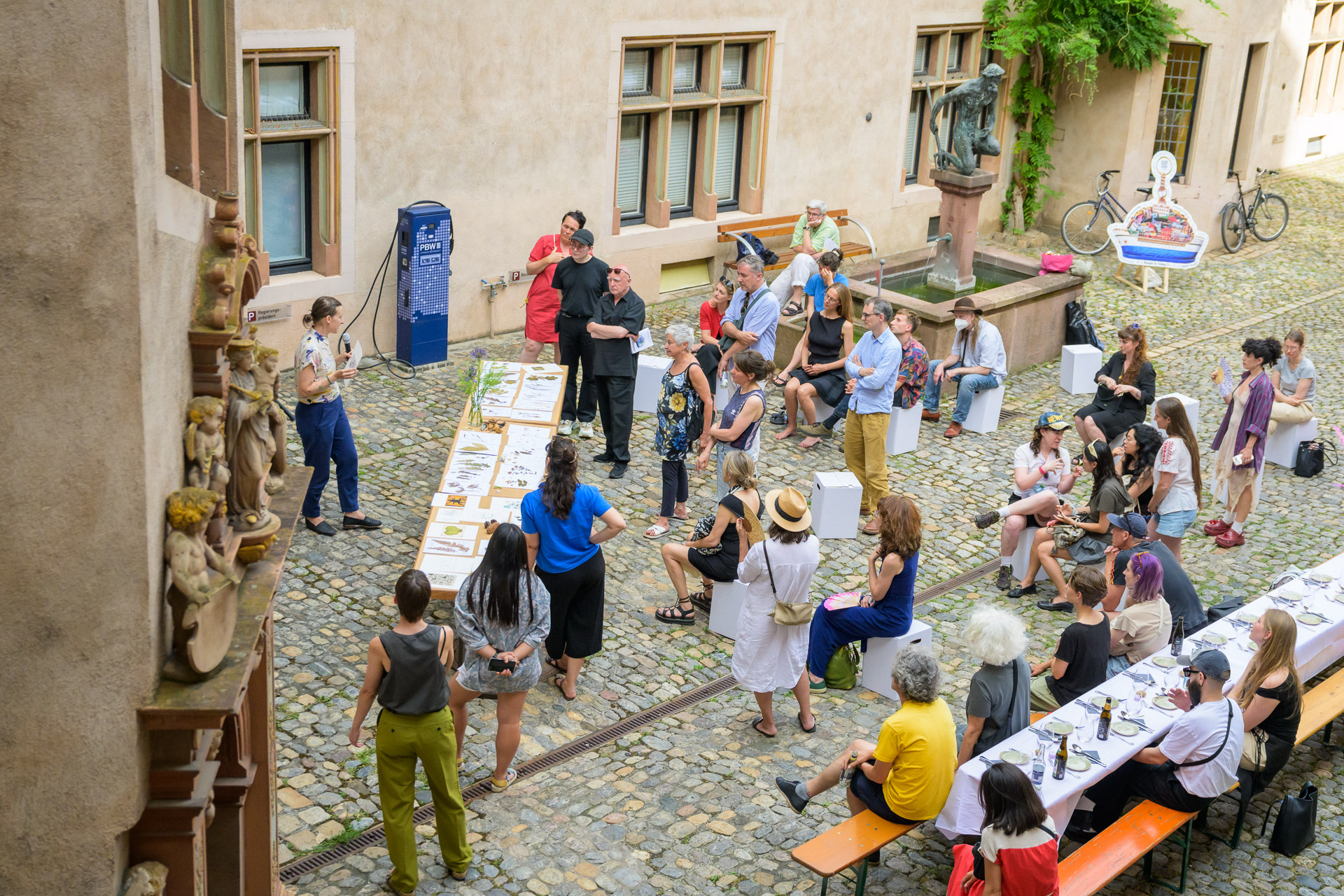
      This exhibition brings together the work of landscape architects, urbanists, biologists and students from various backgrounds and generations, who are—consciously or unconsciously—drawing on the metaphor of ramification within their practice. Their work exemplifies how the understanding of natural processes allows beneficial relationships with our natural environment to be cultivated. They demonstrate the possibility, and furthermore, our responsibility, to accommodate life within damaged territories in order to shape resilient ecosystems.

DE   Pflanzen wachsen in der Regel durch den natürlichen Vorgang der Verästelung (Ramification), d. h. sie bilden Strukturen aus, die sich verzweigen und mit zunehmender Ausdehnung immer feiner und komplexer werden. Ein Baum beispielsweise unterteilt seine oberirdische Struktur in Äste und Zweige, um sein Blattwerk effizient zu erweitern. Dieser botanische Prozess zeigt sich auch auf der Ebene von Landschaften, zum Beispiel in einem Wassereinzugsgebiet, wo kleine Nebengewässer in immer größere Flüsse münden, bevor sie das Meer erreichen.
      Im Prozess fortschreitender Verästelungen reagieren die Systeme sensibel auf gegebene Umweltbedingungen und inkorporieren diejenigen, die ihrem Wachstum entgegenkommen, während andere vernachlässigt werden. Als Teil solcher komplexen Systeme müssen auch Landschaftsarchitekt*innen herausfinden, mit welchen Eingriffen sie die Bedingungen so manipulieren können, dass die gewünschten Veränderungen herbeigeführt werden.
      Die Ausstellung zeigt Arbeiten von Landschaftsarchitektinnen, Stadtplanerinnen, Biolog*innen und Studierenden verschiedener Herkunft und Generationen, die – bewusst oder unbewusst – die Metapher der Verzweigung in ihre Arbeit einbeziehen. Ihre Praxis macht anschaulich, wie das Verständnis natürlicher Prozesse es ermöglicht, vorteilhafte Beziehungen zu unserer natürlichen Umwelt zu kultivieren. Sie illustrieren die Möglichkeit und darüber hinaus die Verantwortung, auch in geschädigten Gebieten eine lebendige Vielfalt zu ermöglichen, um widerstandsfähige Ökosysteme zu schaffen.

Contributors: Altitude 35; Chair of Being Alive, ETHZ; Inside Outside, Petra Blaisse; Studio Paola Viganò; Superpositions, Georges Descombes, Atelier ADR; Sylvie Viollier, Cyril Verrier, La Frontière; mavo Landschaften and the students of Studio Rhizomes.
Curation: Céline Baumann with the support of Myriam Treiber
Photography: SIK-ISEA, Martin Stollenwerk, courtesy of Museum im Bellpark Kriens, 2024

→ Read the related publication Ramification, edited by Céline Baumann and published by the Museum im Bellpark, 2025 (English)
→ Read the review in the Hochparterre by Maarit Ströbele, 2024 (German)
→ Read the review in the werkbauenwohnen by Rolan Züger, 2024 (German)
→ Read the review in the Luzerner Zeitung by Susanne Holz, 2024 (German)

Flowers of Evil

“Many of the ornamental plant species with which we share the domestic space, taking care of them daily without wondering too much about their origin, were imported to Europe from exotic climes, generating what Céline Baumann defines as a ‘cognitive dissonance between the decorative aspect of potted plants and a brutal colonial history.’
      The artist and landscape architect sheds light on the origins of those species and the journeys they have had to make to intertwine with our lives. This small yet invaluable collection of stories will prove useful for at least two reasons. On the one hand, it will help us to better understand that our way of relating to nature has profound political and ecological implications, even when we are at home. On the other it will make clear, yet again, that the notion of ‘home sweet home’ is a cover – and has been for centuries—for much bitterness and countless daily abuses: expressions of the habitual domination of one gender over another and of one species over others, which today are no longer sustainable.” Nina Bassoli, curator Triennale Milano

→ Read pdf

Everything Goes in Nature: Learnings From the Plant Kingdom

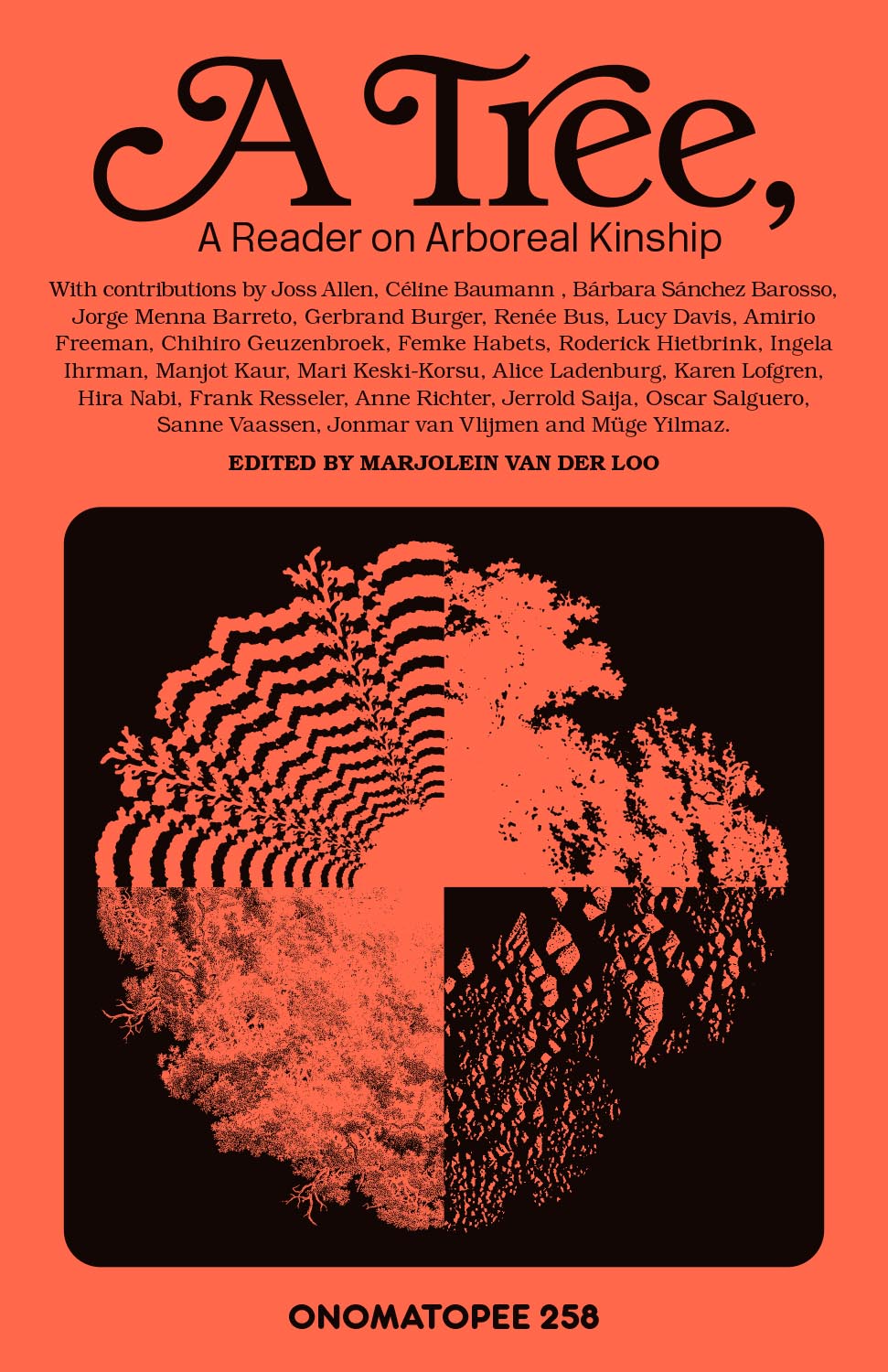
A Tree, is about vegetal agency, plant knowledge, and the interaction between plants and people, with a specific focus on trees. Like all plants, trees make the world; they literally create soil, shape landscapes, and affect the climate. They produce oxygen. They provide fuel, food, building materials, and shelter, and form ecologies where a myriad of species come together to enter into various symbiotic partnerships. Trees are wonderful to think with, and humans have been doing so—through meditation, in all kinds of storytelling, and as partners in problem-solving—probably for as long as they have walked the earth.
      Trees are also time tellers, rather than following industrial time, clock time, or any time defined by human activity, trees relate to their own experience of time. Through this reader, the aim is to nurture and encourage dialogues and to share inspiration on exercising arboreal kinship by taking the time to think about trees differently through imagination, art, music, storytelling, poetry, and images. Moreover, the contributions in A Tree, inspire us to move beyond large systems of oppression and towards exorcizing anthropocentrism, capitalism, individualism, heteronormativity, and coloniality, by learning from and with tree time.

Made possible by Onomatopee Projects

→ Buy online
→ Read pdf

Plants

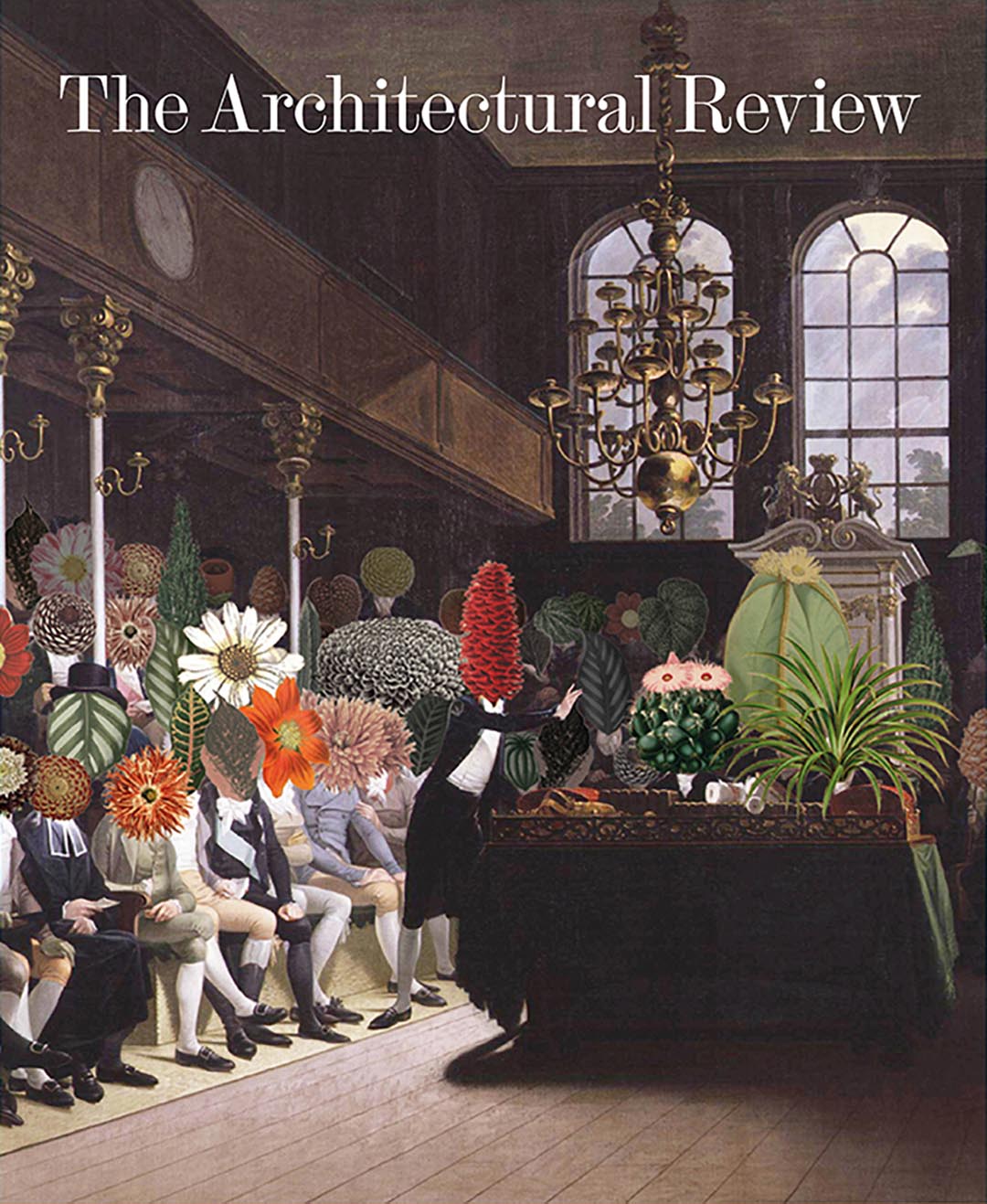
AR June 2023: Plants

Plants are often restricted to the spaces that humans create for them—parks, gardens and other planted areas—and bent to profit or aesthetic preference. This issue calls for a paradigm shift beyond a change in material palettes. Where new buildings are justified, plants should be incorporated along with other low-carbon materials, but not without consideration of how that plant life is cultivated—all other forms of life depend on it.

→ Buy online


Let Not Bygones Go By

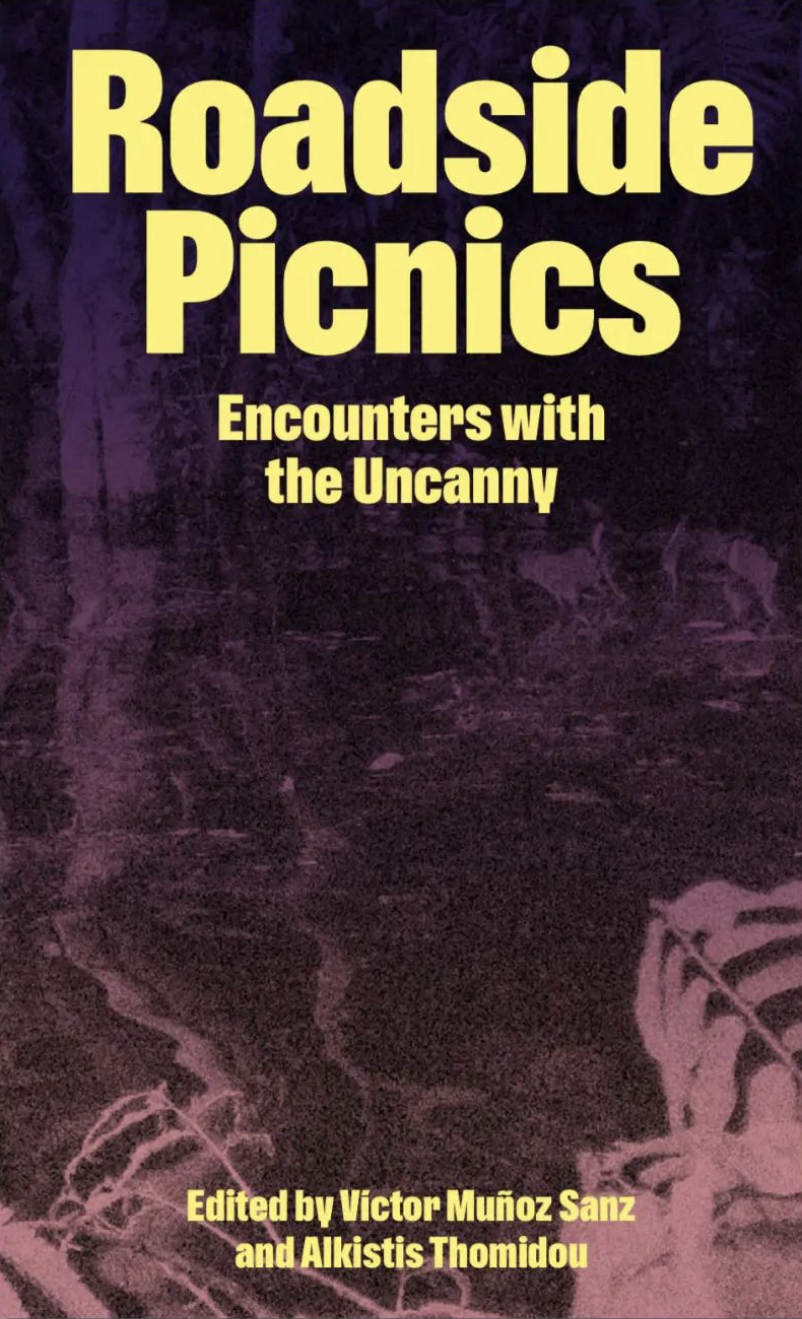
With a combination of essays, memoirs, guided imagery, and speculative story-telling, this book reenacts Roadside Picnic, a sci-fi story addressing the problem of humanity’s contact with another intelligence through the environmental effects and wreckage left behind by the visitors. The bewildering nature of worldly Roadside Picnics pushes human and non-human beings across the planet to a similar situation. In the face of that shared condition, the book Roadside Picnics highlights the ways in which architecture and the built environment participate in and condition both our encounters with the unthinkable—How do we face trouble?—as well as the futures that are possible in the unintended landscapes of the Anthropocene—How do we stay with the trouble?

Edited by Víctor Muñoz Sanz and Alkistis Thomidou. With the generous support of the Akademie Schloss Solitude.

→ Buy online
→ Read pdf


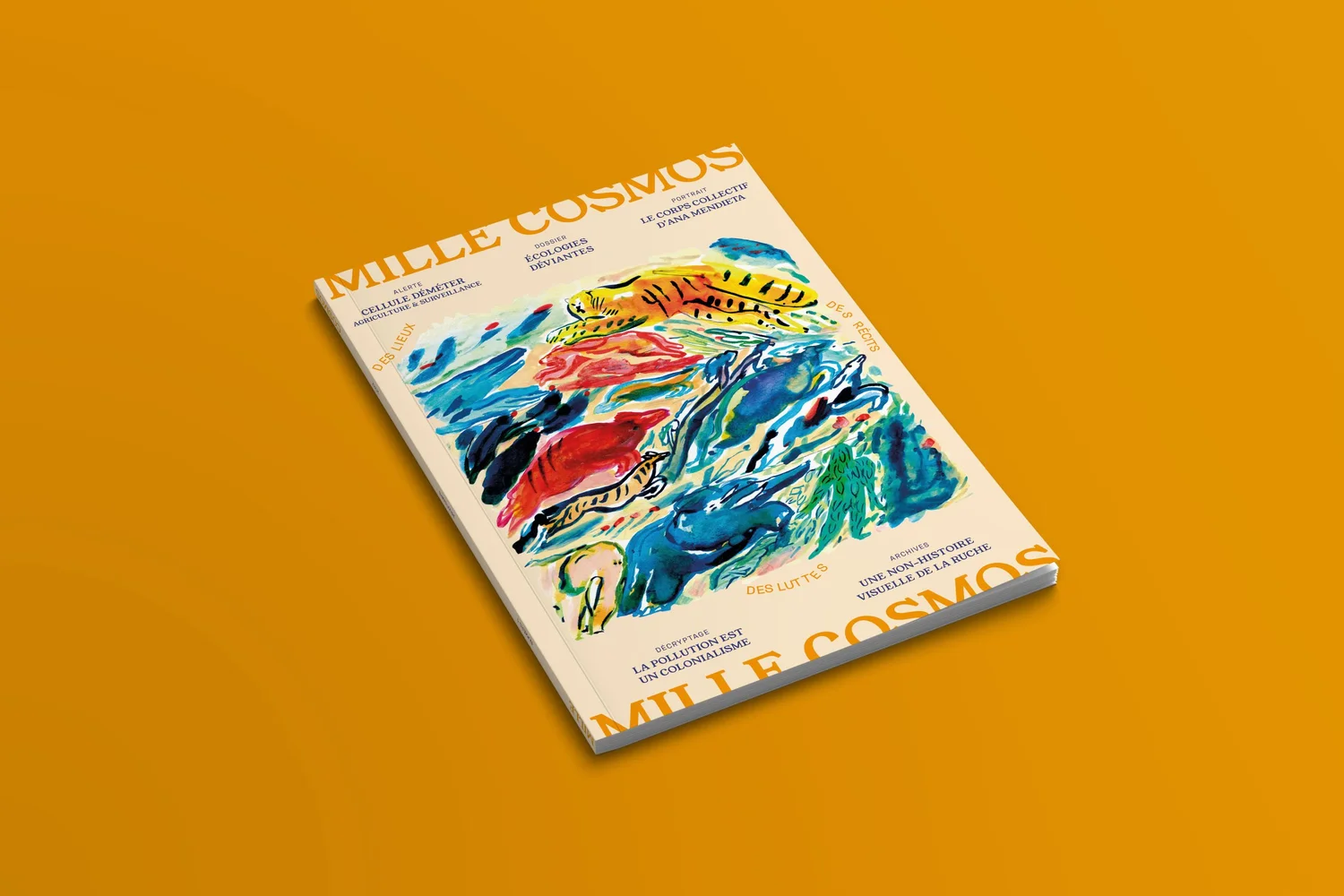
Ce que nous dit l’intimité du kiwi et du crocus

« Queer Nature » est une recherche touchant à « un domaine qui n’existe pas tout à fait » – selon l’expression de Timothy Morton –, à l’intersection entre écologie et théorie queer. En s’intéressant aux mécanismes de la reproduction sexuelle dans le monde végétal, le projet de Céline Baumann remet en cause l’image d’Épinal d’une nature associée à une certaine normalité, alibi ensuite utilisé pour décrier d’autres pratiques identifiées comme déviantes.

→ Read pdf

Plant Pleasures and Intimacies

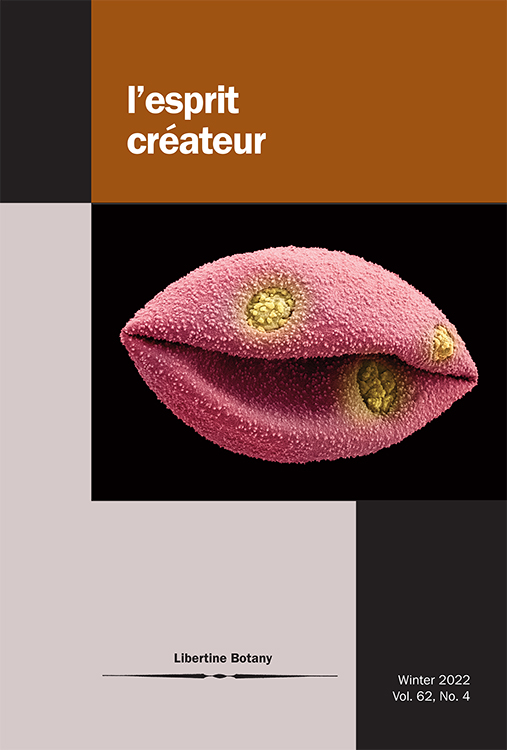
“Plant sexual life becomes the subject of intense discussions in early modern botany. How does France, with its legacy of materialist libertine thought, become a hub for botanically-informed critique of human sexual norms and practices? How is early modern botany enmeshed with desire? Libertine Botany charts premodern explorations of the nonbinary sexuality of plants and investigates their effects on the gendering of the human polis. In conversation with contemporary discussions of sexuality, this special issue studies how—through a body of work anticipating queer politics, art, and ecology—the alien pleasures of plants give new contours to human experience.” l’esprit créateur

Interview with Natania Meeker and Antónia Szabari

→ Buy online
→ Read pdf

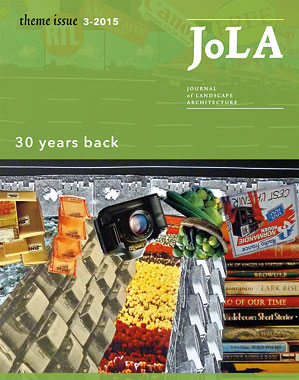
The Versatile Monument Question: Parc De La Villette as Managed Reality

This essay examines Parc de la Villette through what will be defined as the “versatile monument” question, in order to discuss a nonlinear, in other words, a dynamic, relationship between the processes of project commission, design and implementation, and site management. The first part elaborates on what is at stake in the “versatile monument”and how this problematic was clearly embodied in the Parc de La Villette competition brief. The second and third segments describe how the park is used today, through observations about its various spaces and buildings, and explain the managerial mechanisms that invisibly steer this daily public theater. The two descriptions are then brought back to the question of how could one achieve, or sustain, versatility and durability in La Villette.

→ Buy online
→ Read pdf

Journal of Lanscape architecture La Villette Versatile Monument 30 years back