Essay

Queer Nature: A Post-Anthropocene View on Plants and People

The Queer Nature project explores the little-known, often-overlooked and rare intimate behavior of the botanical world. Inscribed in “a field that doesn’t quite exist”, it investigates the relationships between ecological thought and queer theory. By presenting the diversity of the vegetable kingdom, it celebrates the multitude of shapes, gender, sexes and colors around us, challenging the belief that matter and intelligence are dissociated.

→ Buy online

→ Read pdf

queer nature archithese

Everything Goes in Nature: Learnings from the Plant Kingdom.

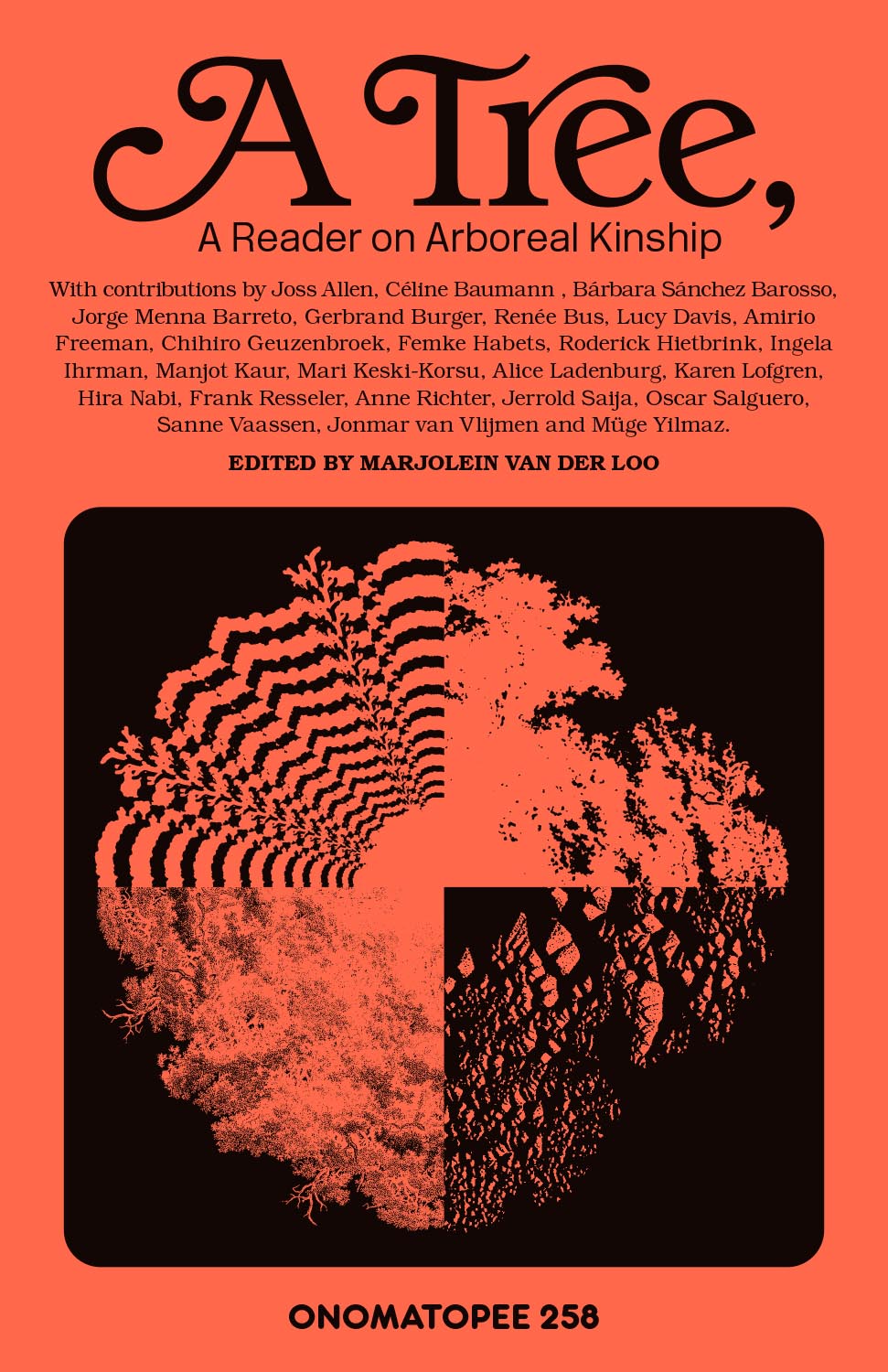
A Tree, is about vegetal agency, plant knowledge, and the interaction between plants and people, with a specific focus on trees. Like all plants, trees make the world; they literally create soil, shape landscapes, and affect the climate. They produce oxygen. They provide fuel, food, building materials, and shelter, and form ecologies where a myriad of species come together to enter into various symbiotic partnerships. Trees are wonderful to think with, and humans have been doing so—through meditation, in all kinds of storytelling, and as partners in problem-solving—probably for as long as they have walked the earth. Trees are also time tellers, rather than following industrial time, clock time, or any time defined by human activity, trees relate to their own experience of time. Through this reader, the aim is to nurture and encourage dialogues and to share inspiration on exercising arboreal kinship by taking the time to think about trees differently through imagination, art, music, storytelling, poetry, and images. Moreover, the contributions in A Tree, inspire us to move beyond large systems of oppression and towards exorcizing anthropocentrism, capitalism, individualism, heteronormativity, and coloniality, by learning from and with tree time.

Made possible by Onomatopee Projects.

→ Buy online

→ Read pdf
Let not bygones go by

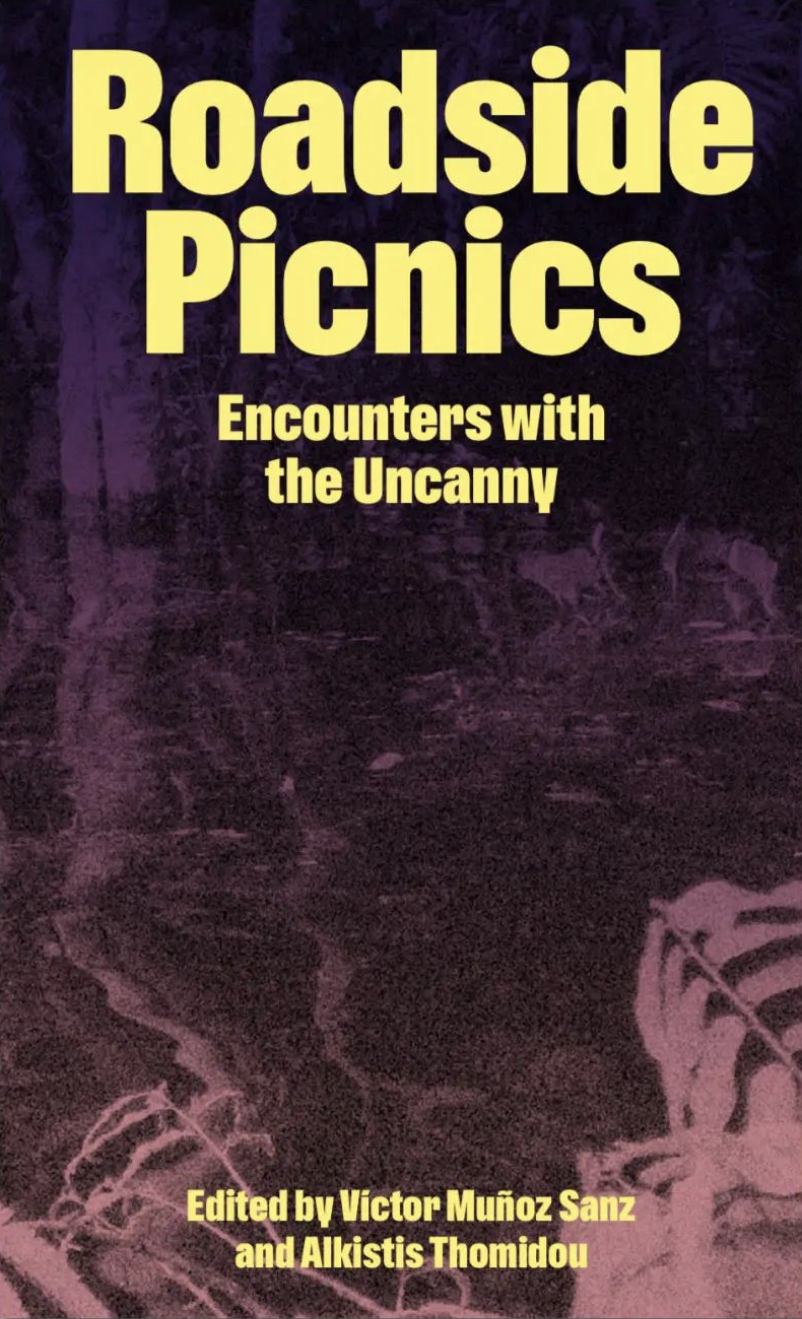
With a combination of essays, memoirs, guided imagery, and speculative story-telling, this book reenacts Roadside Picnic, a sci-fi story addressing the problem of humanity’s contact with another intelligence through the environmental effects and wreckage left behind by the visitors. The bewildering nature of worldly Roadside Picnics pushes human and non-human beings across the planet to a similar situation. In the face of that shared condition, the book Roadside Picnics highlights the ways in which architecture and the built environment participate in and condition both our encounters with the unthinkable—How do we face trouble?—as well as the futures that are possible in the unintended landscapes of the Anthropocene—How do we stay with the trouble?

Edited by Víctor Muñoz Sanz and Alkistis Thomidou. With the generous support of the Akademie Schloss Solitude.

→ Buy online

→ Read pdf

Ce que nous dit l’intimité du kiwi et du crocus

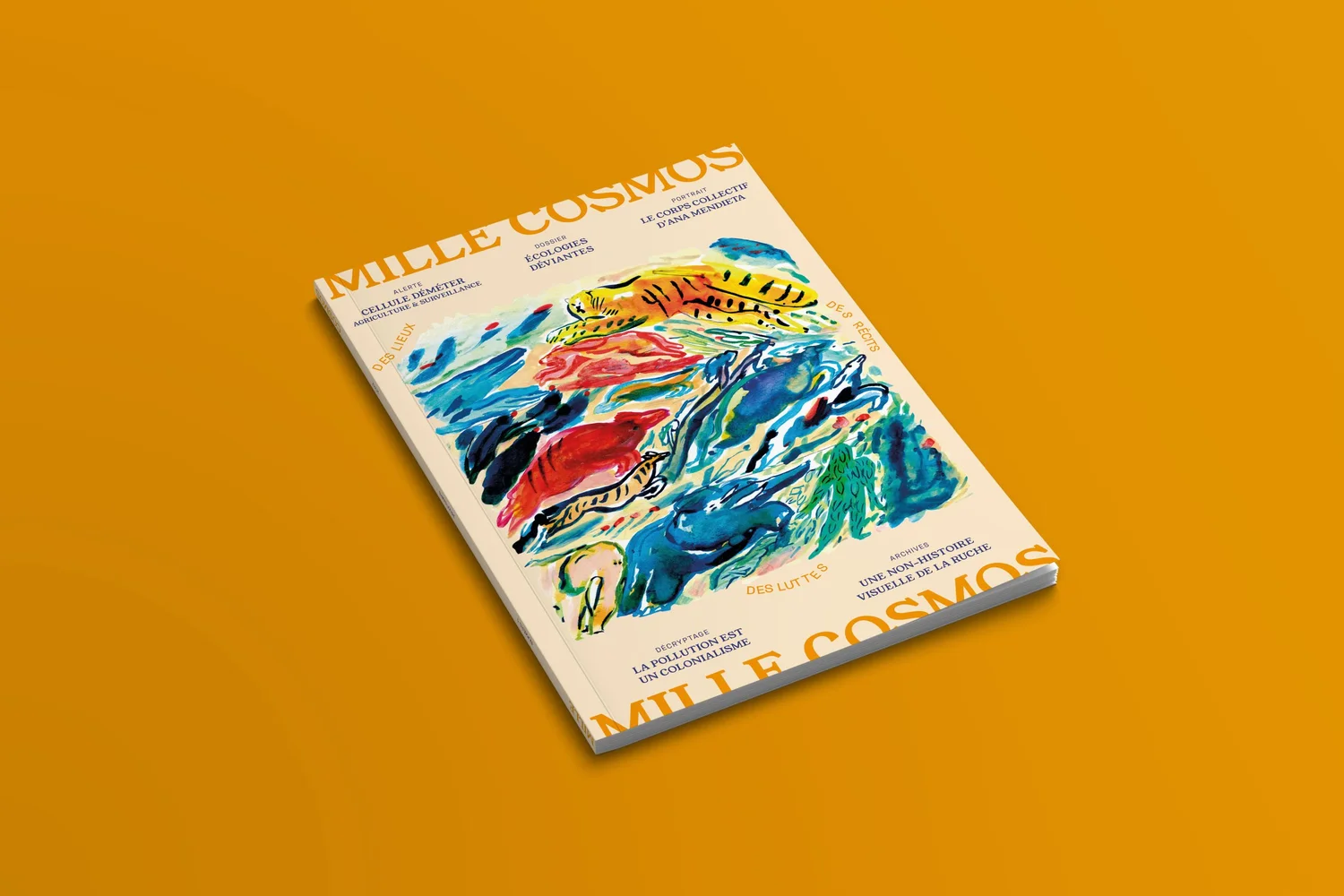
« Queer Nature » est une recherche touchant à « un domaine qui n’existe pas tout à fait »
– selon l’expression de Timothy Morton –, à l’intersection entre écologie et théorie queer. En s’intéressant aux mécanismes de la reproduction sexuelle dans le monde végétal, le projet de Céline Baumann remet en cause l’image d’Épinal d’une nature associée à une certaine normalité, alibi ensuite utilisé pour décrier d’autres pratiques identifiées comme déviantes.

→ Buy online

→ Read pdf

The Versatile Monument Question: Parc de la Villette as Managed Reality.

This essay examines Parc de la Villette through what will be defined as the ‘versatile monument’ question, in order to discuss a nonlinear, in other words, a dynamic, relationship between the processes of project commission, design and implementation, and site management. The first part elaborates on what is at stake in the ‘versatile monument’ and how this problematic was clearly embodied in the Parc de La Villette competition brief. The second and third segments describe how the park is used today, through observations about its various spaces and buildings, and explain the managerial mechanisms that invisibly steer this daily public theater. The two descriptions are then brought back to the question of how could one achieve, or sustain, versatility and durability in La Villette.

→ Buy online

→ Read pdf

Journal of Lanscape architecture La Villette Versatile Monument 30 years back