Exhibitions

Parliament of Plants

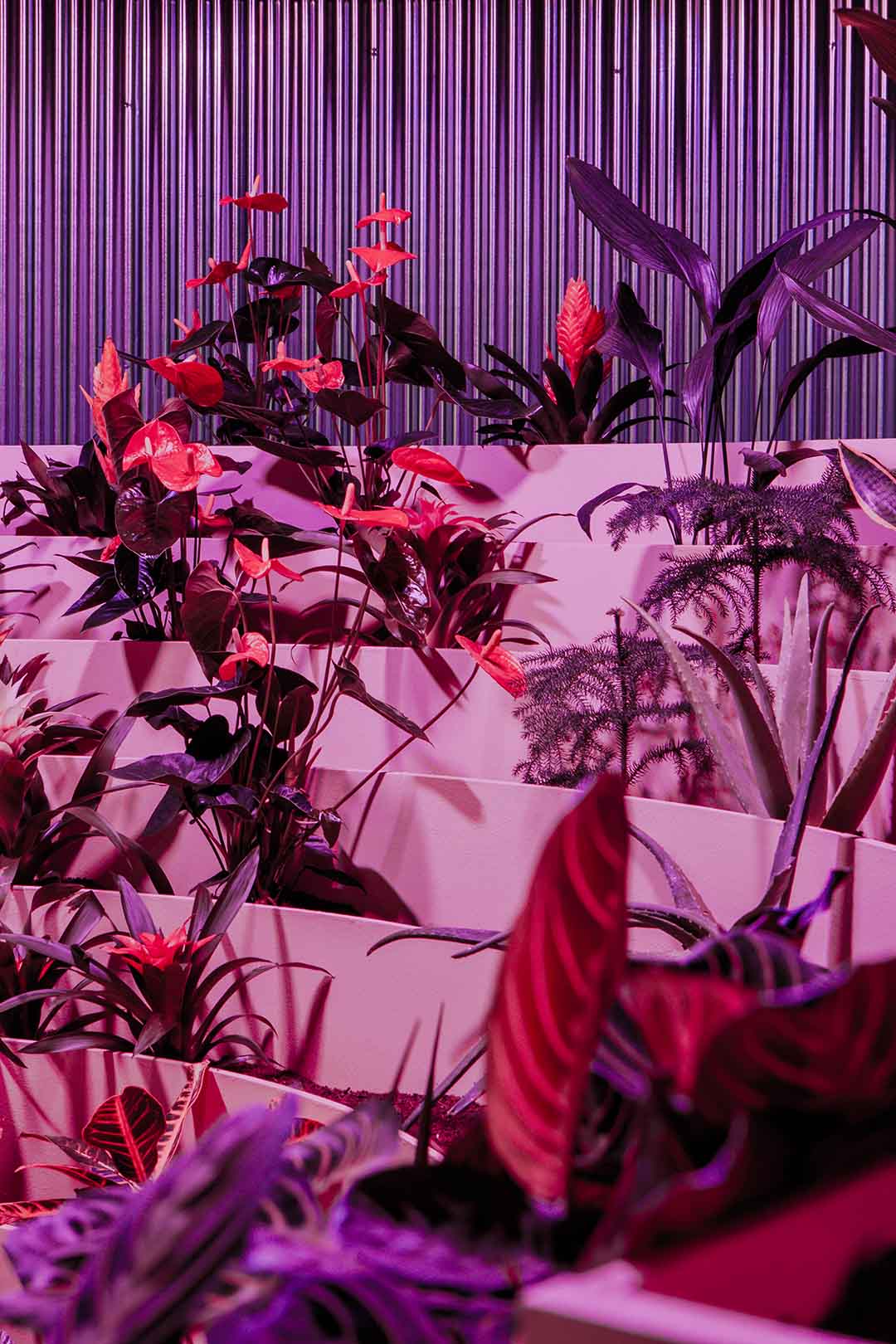
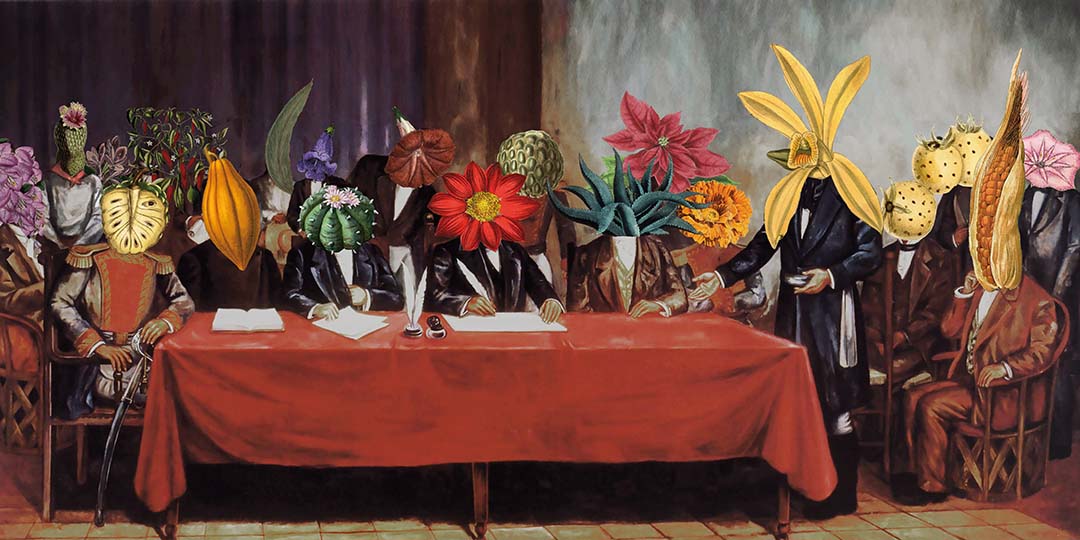
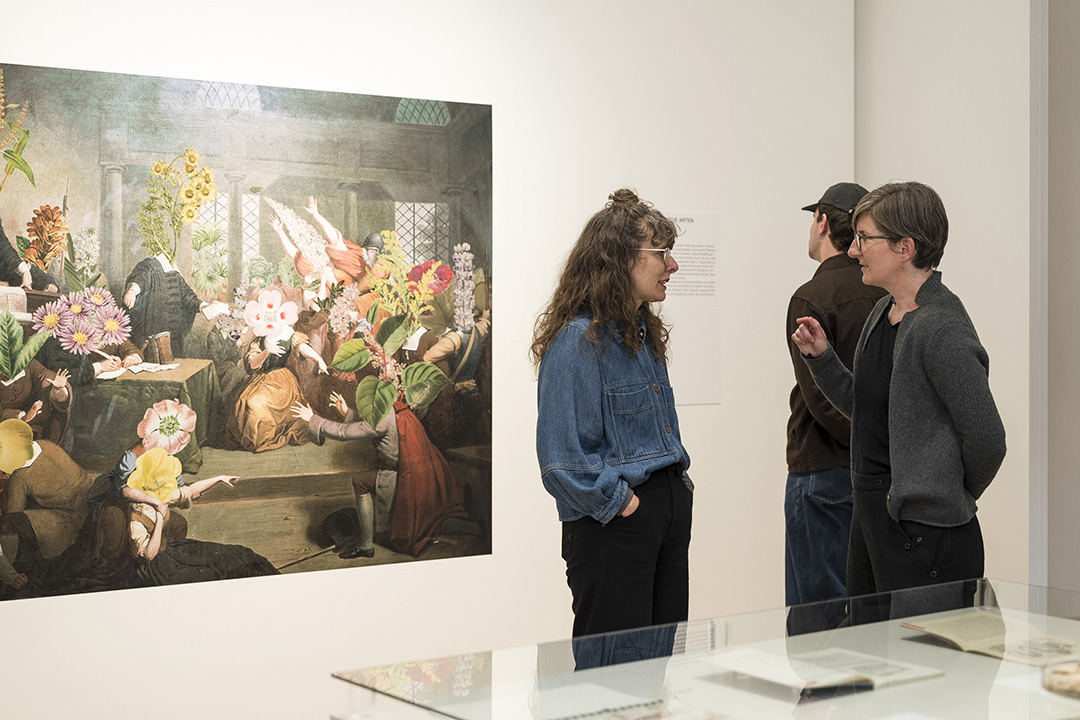
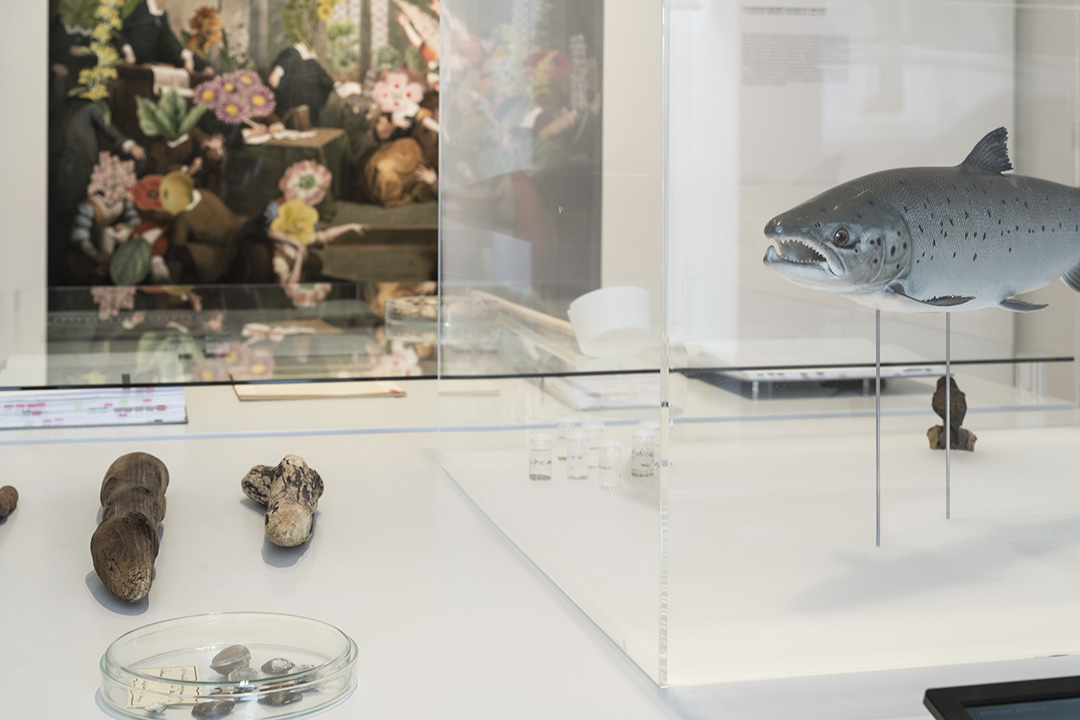
The Parliament of Plants proposes an urban environment where the wisdom of plants is highly valued for their knowledge of social and economic biotopes, as well as their deep understanding of natural processes. Woody, leafy, and flowering beings form here an hegemonic green democracy. With similar protocols to those currently used in the political arena, in this parliament of vegetation, legislators from different origins convene on a daily basis to debate current issues. Yet in contrast to the constant confrontation and tension found in “human” political contexts, this parliament of plants usually comes to a consensus and manages to come to agreements—despite having divergent views—because its members are aware of the importance of taking measures and acting decisively in areas regarding ecology, inclusion, tolerance, and diversity, with the understanding that their administration can only act towards the common good, basing their decisions on the principle of mutual care and support.

Based on The House of Commons, 1793-94, by Karl Anton Hickel     

Photography: Ludger Paffrath / Vitra Design Museum

Limited artist’s proof of the “Parliament of Plants” images available. Edition of 70×50 cm, printed on Hahnemuhle Bright White 310g paper 100% cotton, signed and hand-numbered. Contact us for more information.

→ Read the inverview “Human habitats need to accommodate other living beings.” with Viviane Stappmanns, Garden Futures, 2023 (English)
→ Read “The Parliament of Plants and other Cautionary Tales, Where Stories Make Worlds and Worlds Make Stories”, by Céline Baumann in Conversation with Ethel Baraona Pohl, Solitude Journal, 2020 (English)
→ Read the review of “What is radical today?” by George Kafka for Metropolis magazine, 2019 (external link)


Royal Academy of Arts London Parliament of Plants Display Exhibition What is radical today House of Commons Karl Anton Hickel

Twelve Cautionary Urban Tales

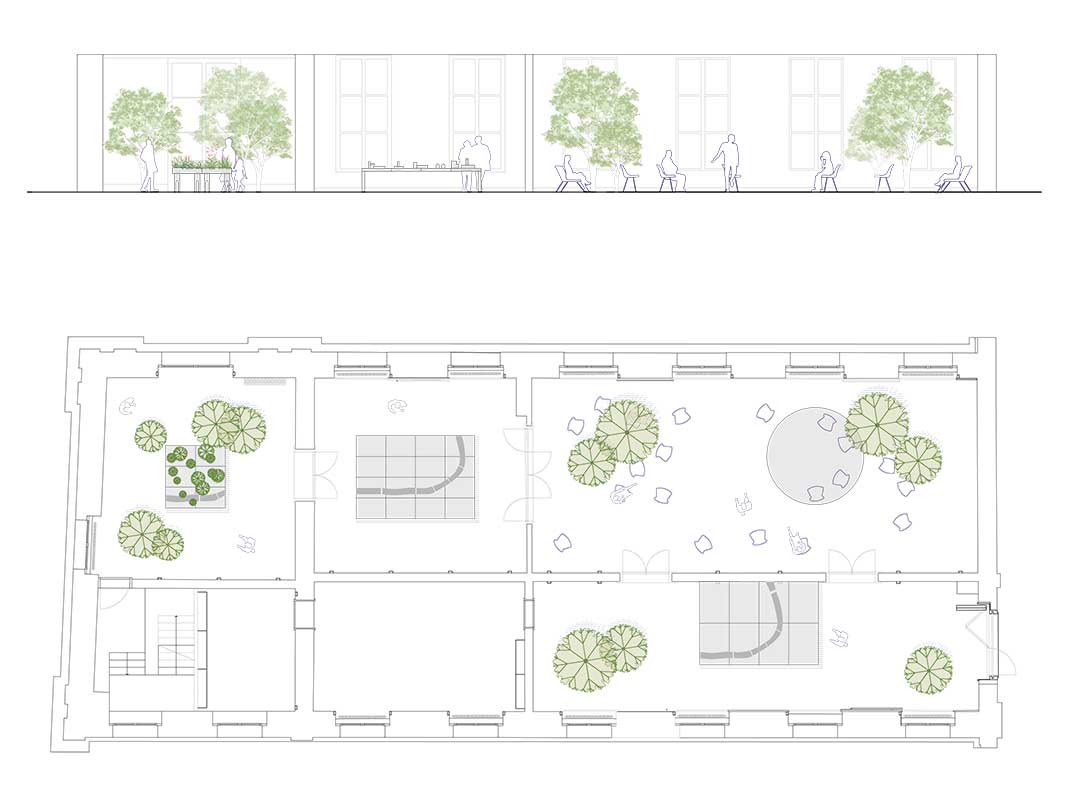
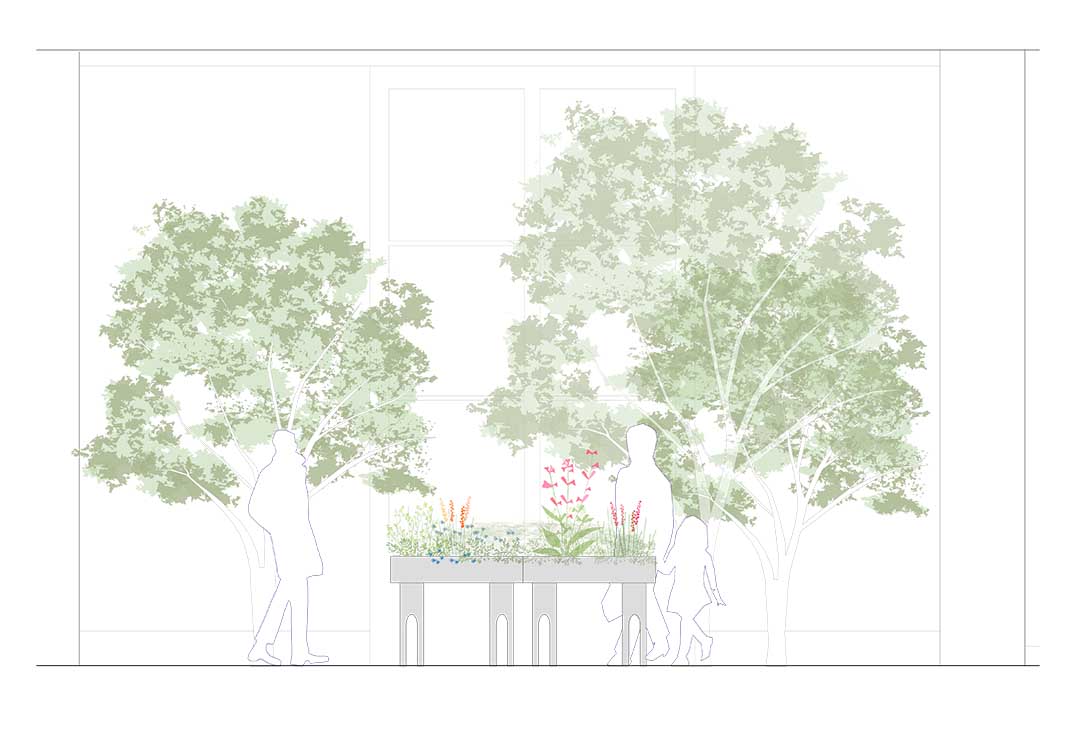
To explore this question, a group of contemporary practices from different generations and with diverse professional backgrounds has been invited to shape these “Twelve Urban Fables” by reinterpreting the original format of Superstudio’s twelve stories and transforming the exhibition into a tool that encourages us to rethink our role in shaping the city. To this end, each practice tell us a fable in the form of an artistic installation, creating a series of narratives open to multiple interpretations. These new fables, as if emerging from the pages of a book, seek to question our understanding of what constitutes a city and, in doing so, help us reimagine what the city could become, a space where relationships, nature, bodies, and geographies coexist. The stories and narratives presented in this exhibition will help us problematize and challenge the conventional definition of the city, revealing, through their narratives, new and different ways of inhabiting the world.

Photography: Ángela Losa , María Eugenia Serrano & Lukasz Michalak, Estudio Perplejo / Matadero


​

Matadero Doce fábulas urbanas twelve cautionary urban tales Madrid Ethel Baraona Pohl César Reyes Taller de Casquería Naranjo-Etxeberría Superstudio parliament of plants

Home Sweet Home

The “home sweet home,” at once intimate and universal, is the space of everyday life. An architectural space that represents the possibility of re-establishing a direct link between our most authentic needs and the environments to be designed. A space that also represents the relationship between home and work, male and female, production and reproduction, public and private. Building on the history of the Triennale di Milano and its international exhibitions, the show reaches into the contemporary, with the reconstruction of site-specific environments and installations by international architectural firms, groups and research centers in dialogue with thematic historical sections. From the transformation of gender roles to the evolution of the relationship with nature within the domestic space to the influence of technology on the way of living, the themes of the projects on display generate an open reflection on the idea of home and the inhabitants of a place whose experimentations are capable of conveying new languages, new ethical aspirations and new programs for architecture. Many of the ornamental plant species with which we share the domestic space, taking care of them daily without wondering too much about their origin, were imported to Europe from exotic climes, generating what Céline Baumann defines as a “cognitive dissonance between the decorative aspect of potted plants and a brutal colonial history”. In the installation The Houseplants Parliament created for the exhibition Home Sweet Home, the artist and landscape architect sheds light on the origins of those species and the journeys they have had to make to intertwine with our lives. This small yet invaluable collection of stories will prove useful for at least two reasons. On the one hand, it will help us to better understand that our way of relating to nature has profound political and ecological implications, even when we are at home. On the other it will make clear, yet again, that the notion of “home sweet home” is a cover, and has been for centuries, for much bitterness and countless daily abuses: expressions of the habitual domination of one gender over another and of one species over others, which today are no longer sustainable.

Photography: Melania Dalle Grave / Triennale Milano

→ Flowers of Evil publication

El Congreso de las plantas

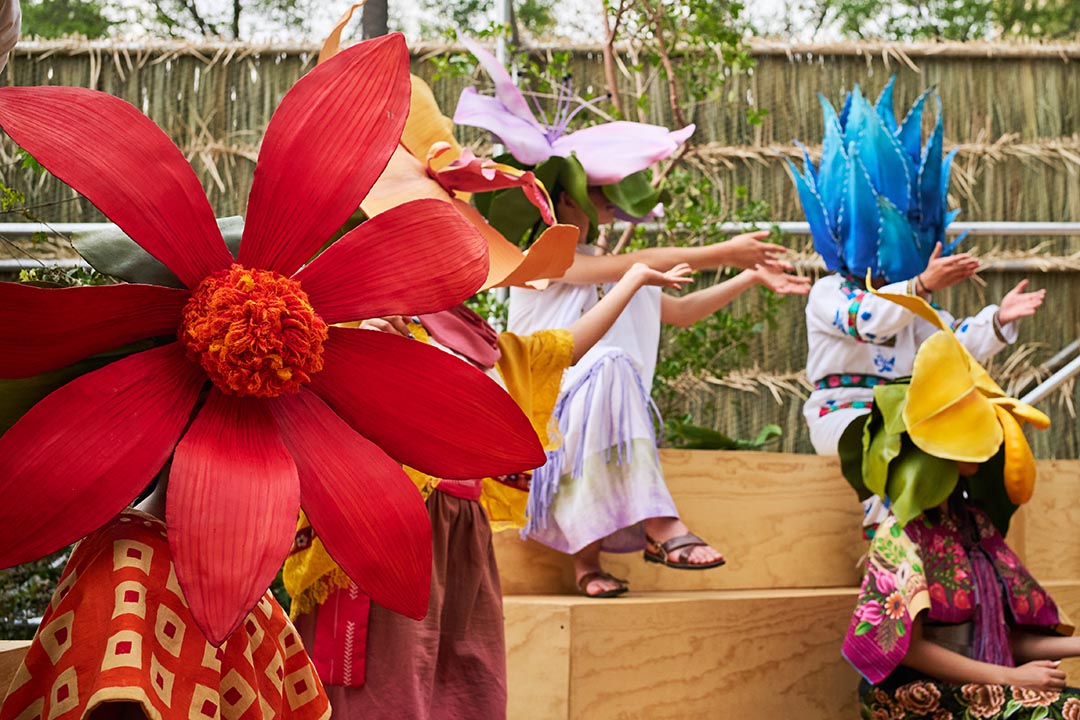
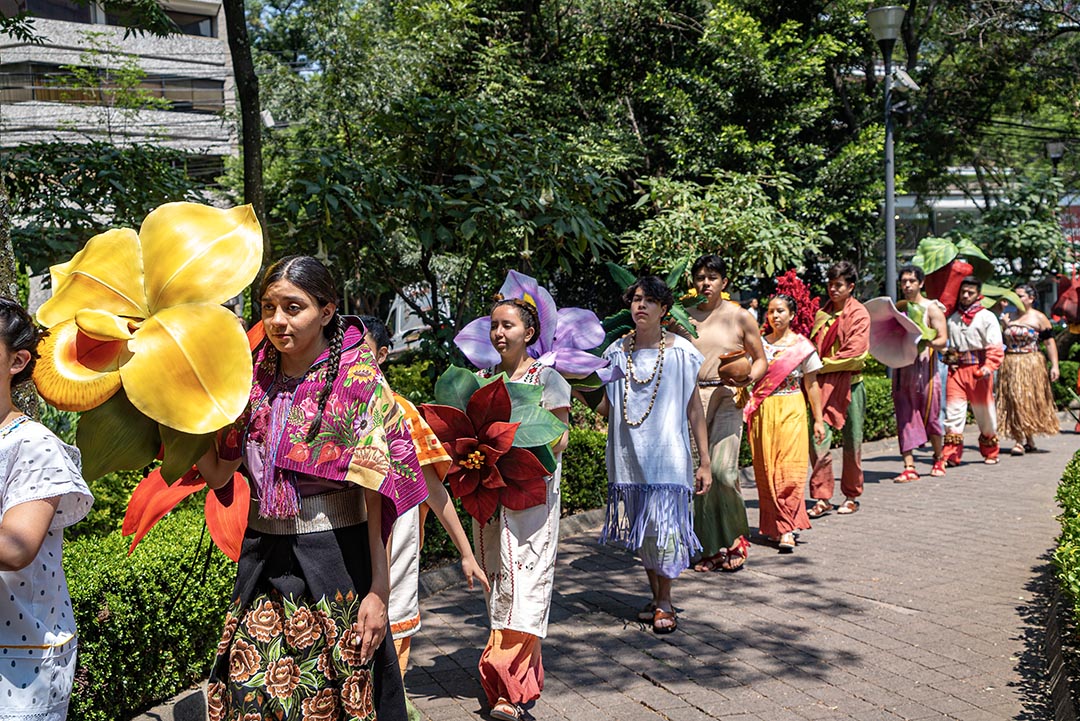
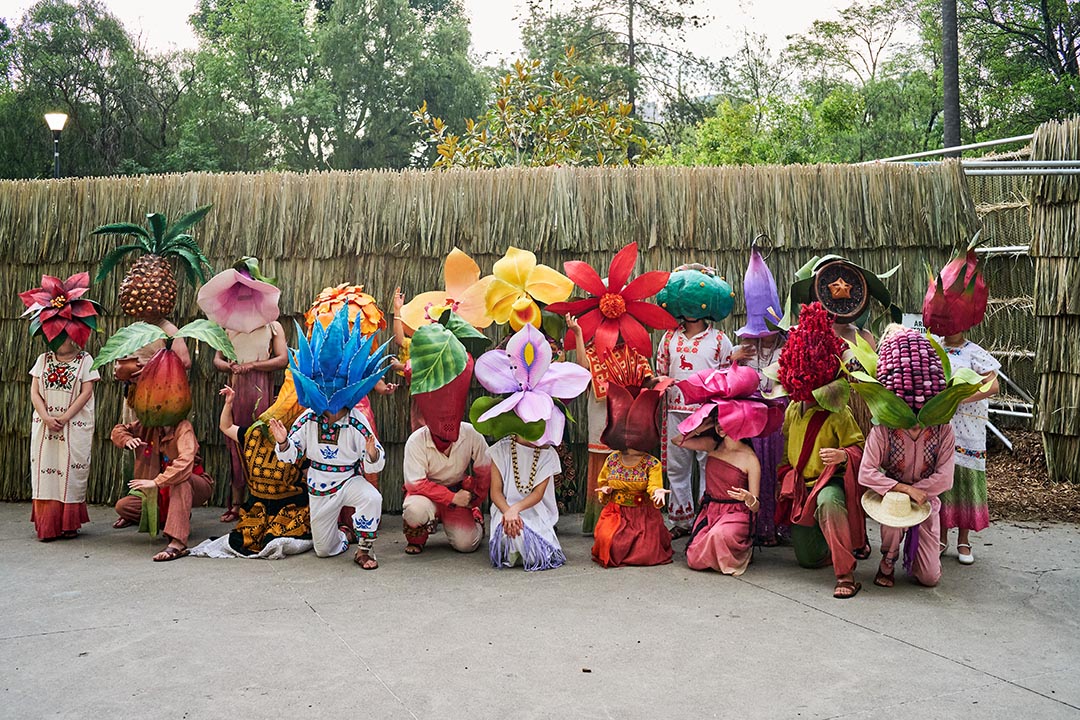
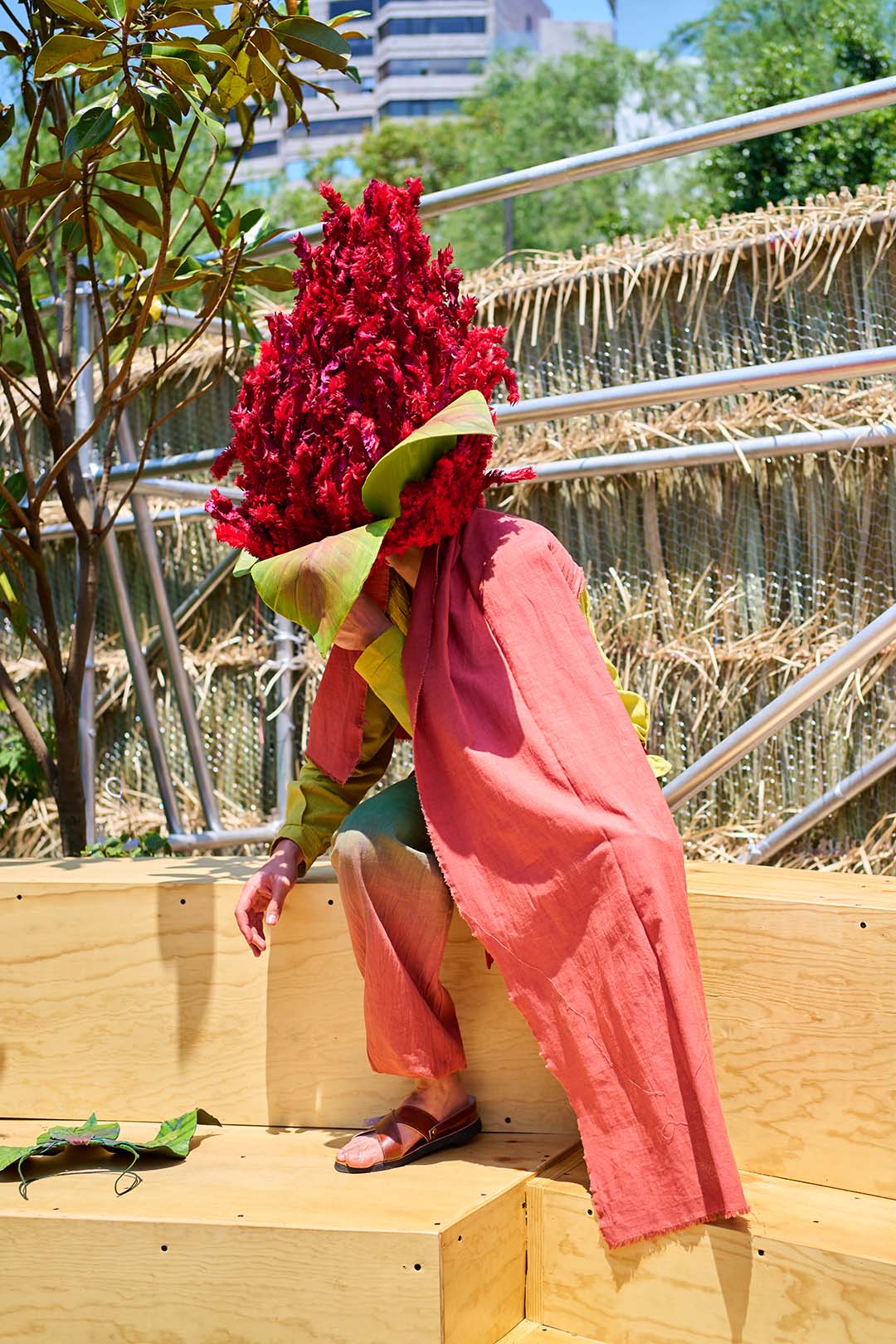
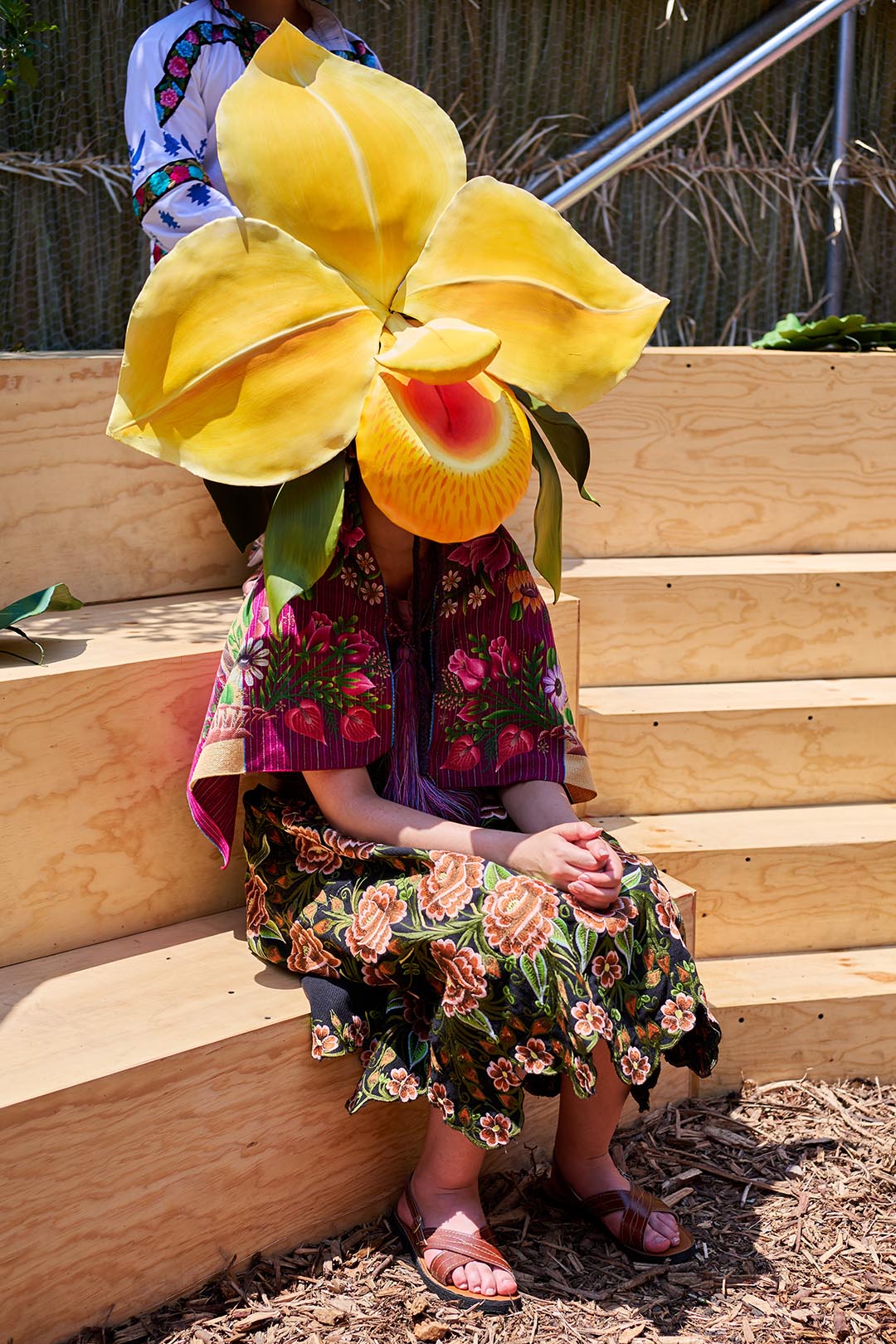
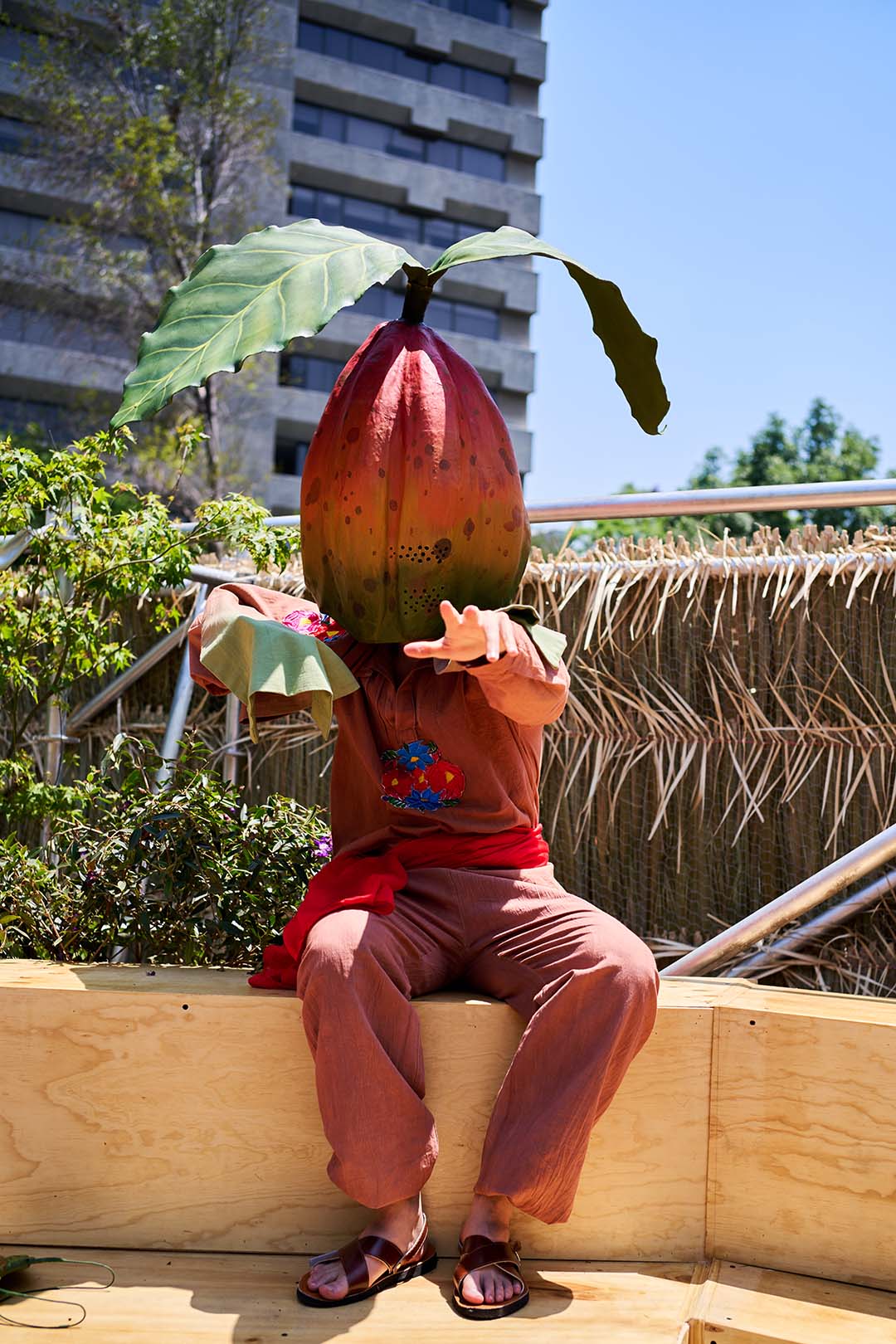
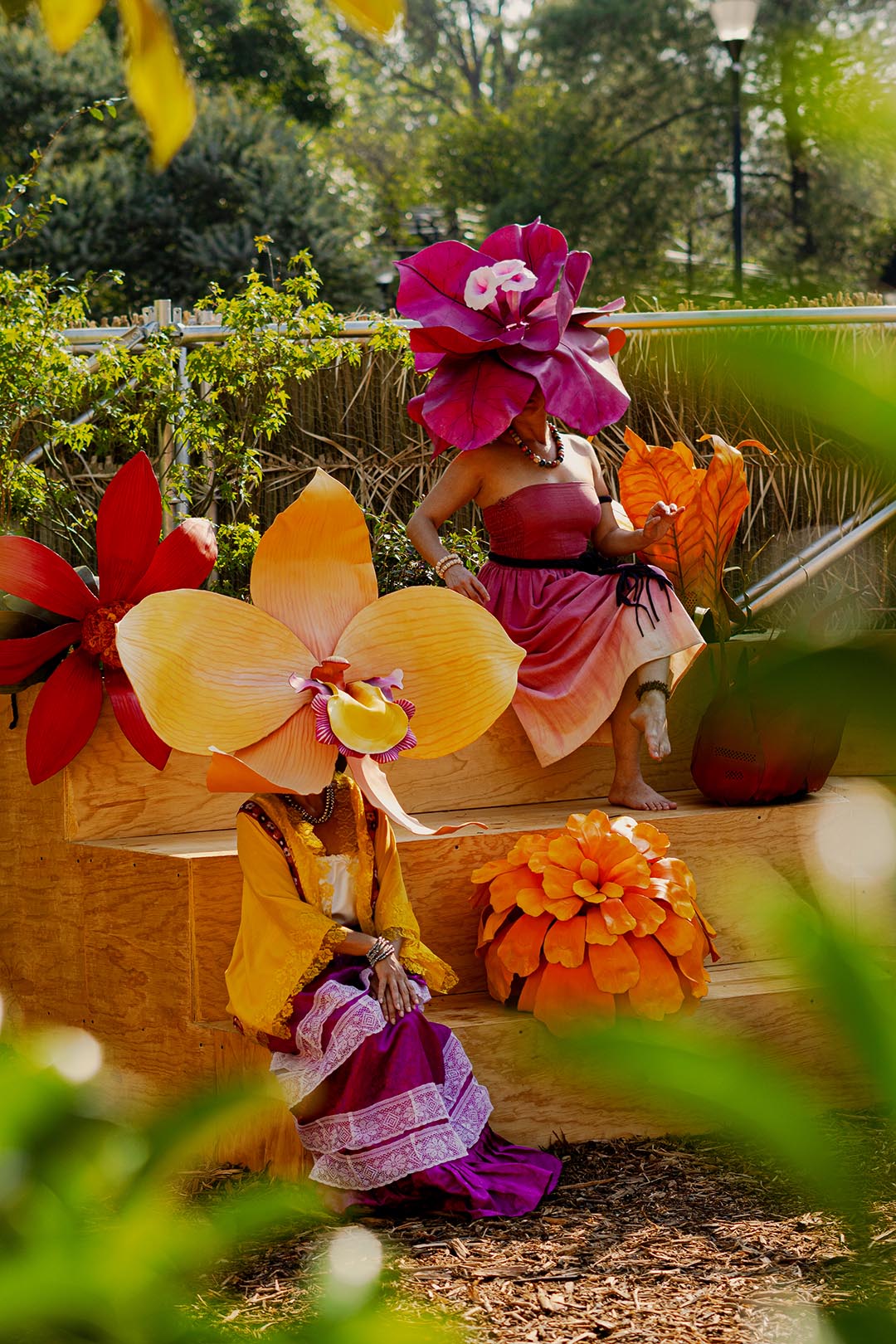
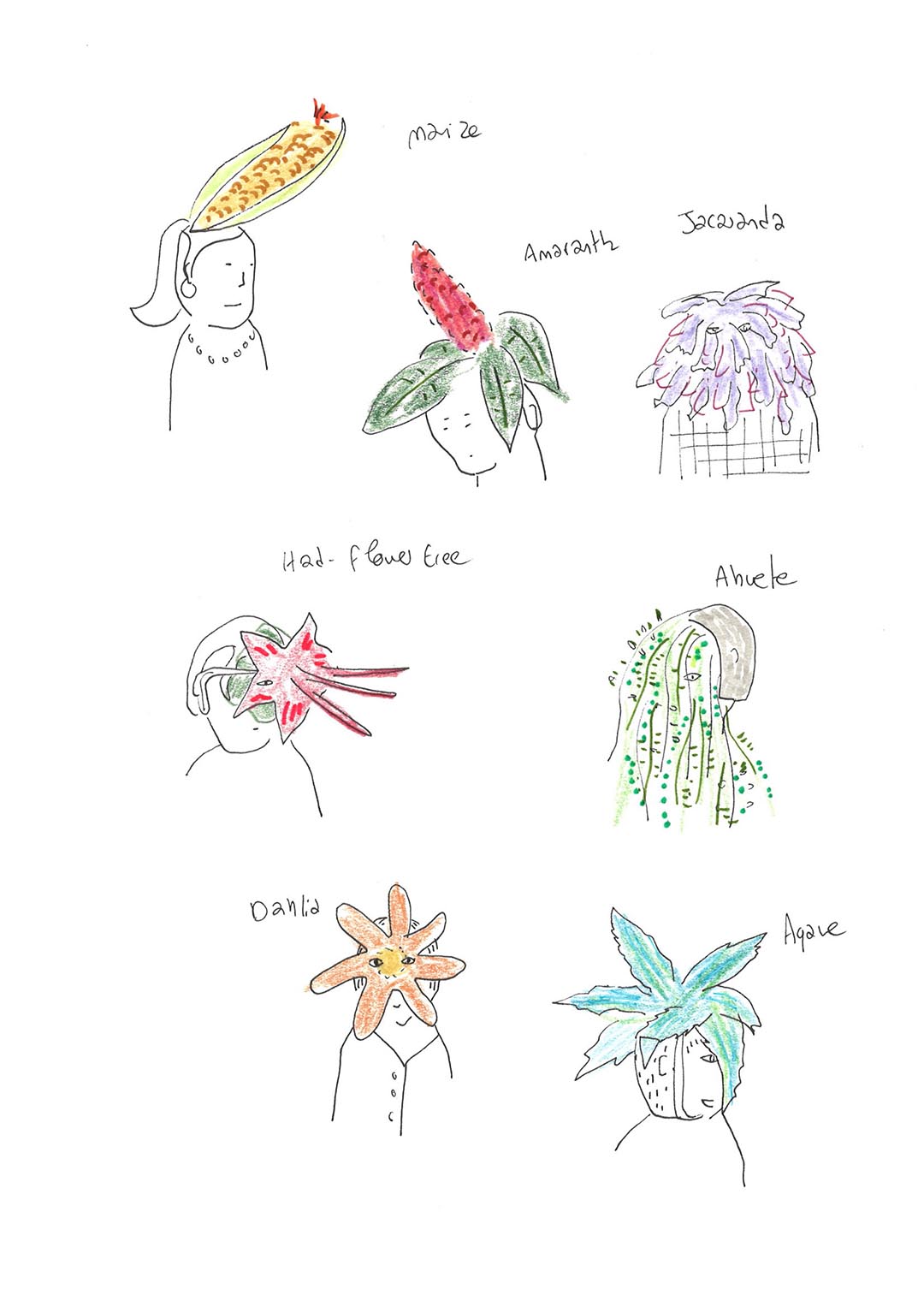
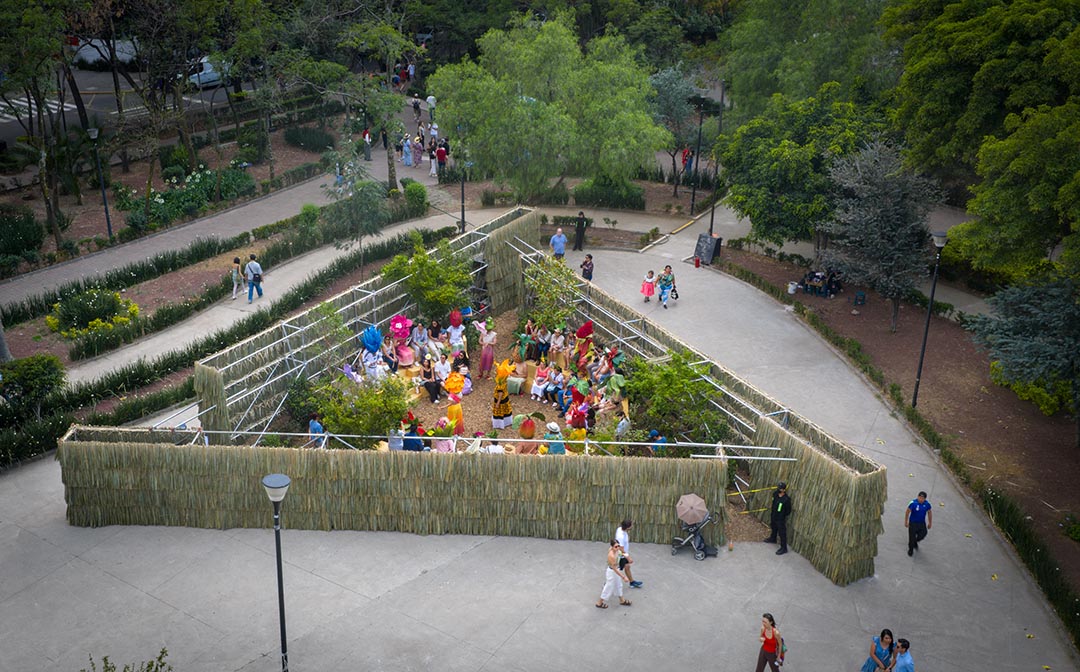
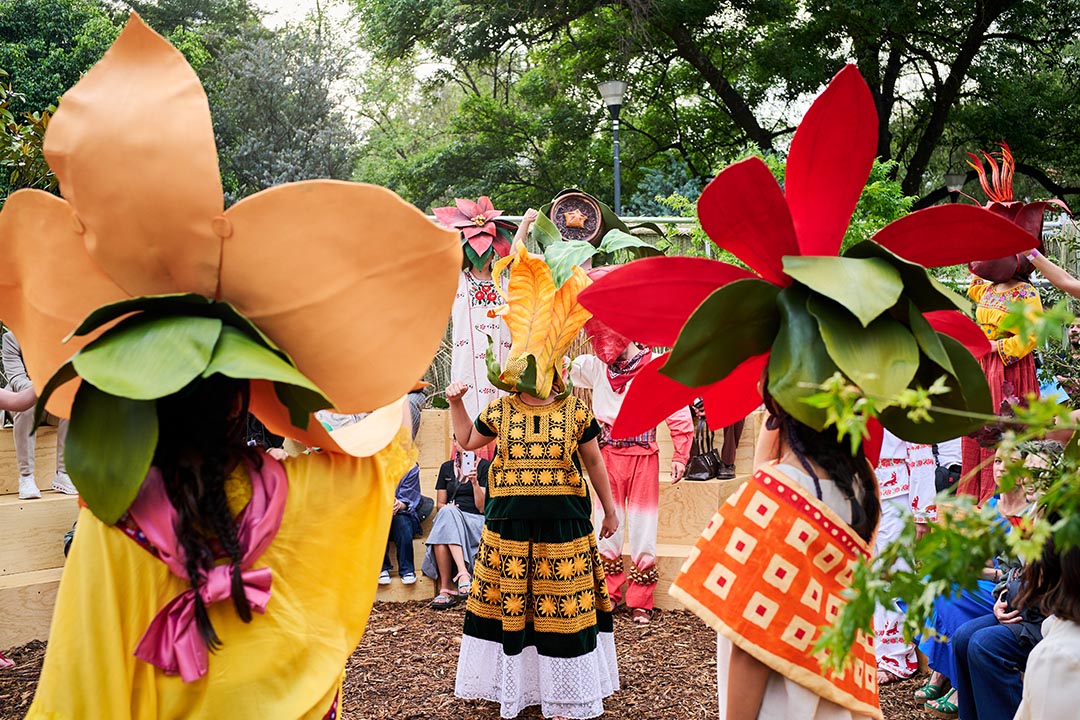
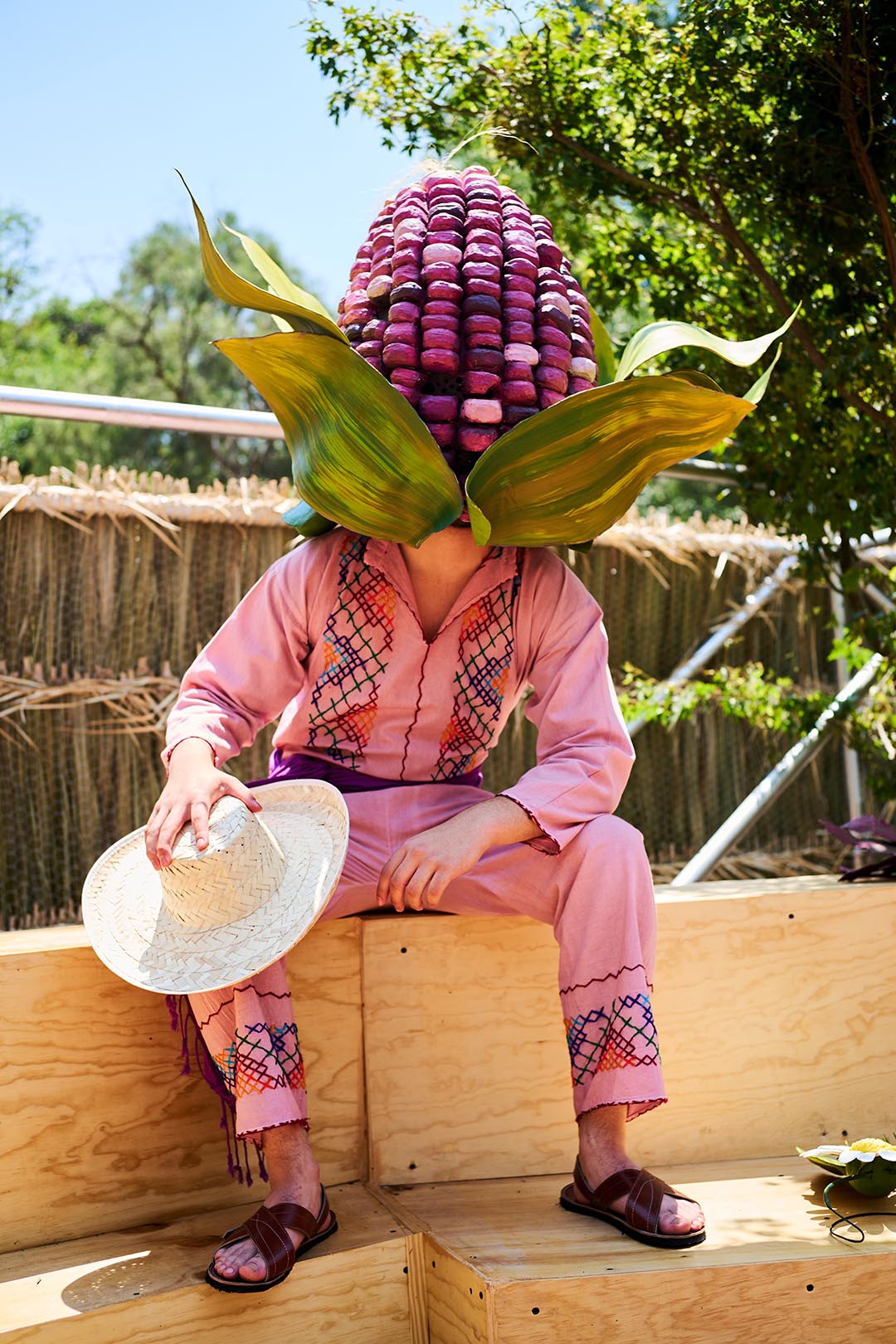
EN  What if plants had a voice? El Congreso de las Plantas is a performative installation created for FYJA 2026, based on the work of Céline Baumann, landscape architect invited by the festival. Her project The Parliament of Plants, which proposes giving a voice to the plant world, serves as the starting point for this adaptation in the Mexican context. It is presented as a performative experience in which different species come together to debate from a plant perspective. The public is invited to enter this space, observe, listen, and participate as part of this congress. Mexican flora is extraordinarily diverse, ranging from arid deserts with cacti to tropical forests and evergreen high-mountain ecosystems. It includes a large number of endemic species that exist nowhere else in the world. Many plants native to Mexico have spread across the globe and are now essential to food culture, including maize, vanilla, cacao, chili peppers, and sweet potatoes. Others remain less well known outside the country, such as manita, whose flowers are used in medicinal infusions, or cempasúchil, which is used in offerings, rituals, and as a natural pigment. Some of these plants carry the weight of colonial history in their names. The dahlia, originally known as acocoxóchitl in Nahuatl, was later renamed in honor of the Swedish botanist Andreas Dahl, thereby erasing part of its cultural significance.At the same time, other plants that are now part of everyday life in Mexico originate from distant territories, such as the jacaranda and bougainvillea from South America, or eucalyptus from Australia. The project presents a scaled-down recreation of the Mexican Congress of the Union, where plants from different ecosystems across the country and around the world take part instead of people. In this space, species such as peyote, agave, maize, jacaranda, and eucalyptus debate issues including water, crop protection, and coexistence among species.

ES  ¿Y si las plantas tuvieran voz? El Congreso de las Plantas es una puesta en escena creada para FYJA 2026 a partir del trabajo de Céline Baumann, paisajista invitada por el festival. Su proyecto El Parlamento de las Plantas, que propone dar voz al mundo vegetal, sirve como punto de partida para esta adaptación en el contexto mexicano. Se presenta como una experiencia escénica en la que distintas especies se reúnen para debatir desde una perspectiva vegetal. El público está invitado a entrar en este espacio, observar, escuchar y participar como parte de este congreso. La flora mexicana es extraordinariamente diversa, desde desiertos áridos con cactáceas hasta selvas tropicales y ecosistemas siempre verdes de alta montaña. Incluye un gran número de especies endémicas que no existen en ningún otro lugar del mundo.Muchas plantas originarias de México se han extendido por el mundo y hoy forman parte esencial de la alimentación, como el maíz, la vainilla, el cacao, el chile o el camote. Otras permanecen menos conocidas fuera del país, como la manita —cuyas flores se utilizan en infusiones medicinales— o el cempasúchil, empleado en ofrendas, rituales y como pigmento natural. Al mismo tiempo, otras plantas que hoy forman parte de la vida cotidiana en México provienen de territorios lejanos, como la jacaranda y la bugambilia de Sudamérica, o el eucalipto de Australia. El proyecto presenta una recreación a escala del Congreso de la Unión, donde, en lugar de personas, participan plantas provenientes de distintos ecosistemas del país y del mundo. En este espacio, especies como el peyote, el agave, el maíz, la jacaranda o el eucalipto debaten temas como el agua, la protección de cultivos y la convivencia entre especies.

Photography: FYJA 2026
 

Trial of Invasives

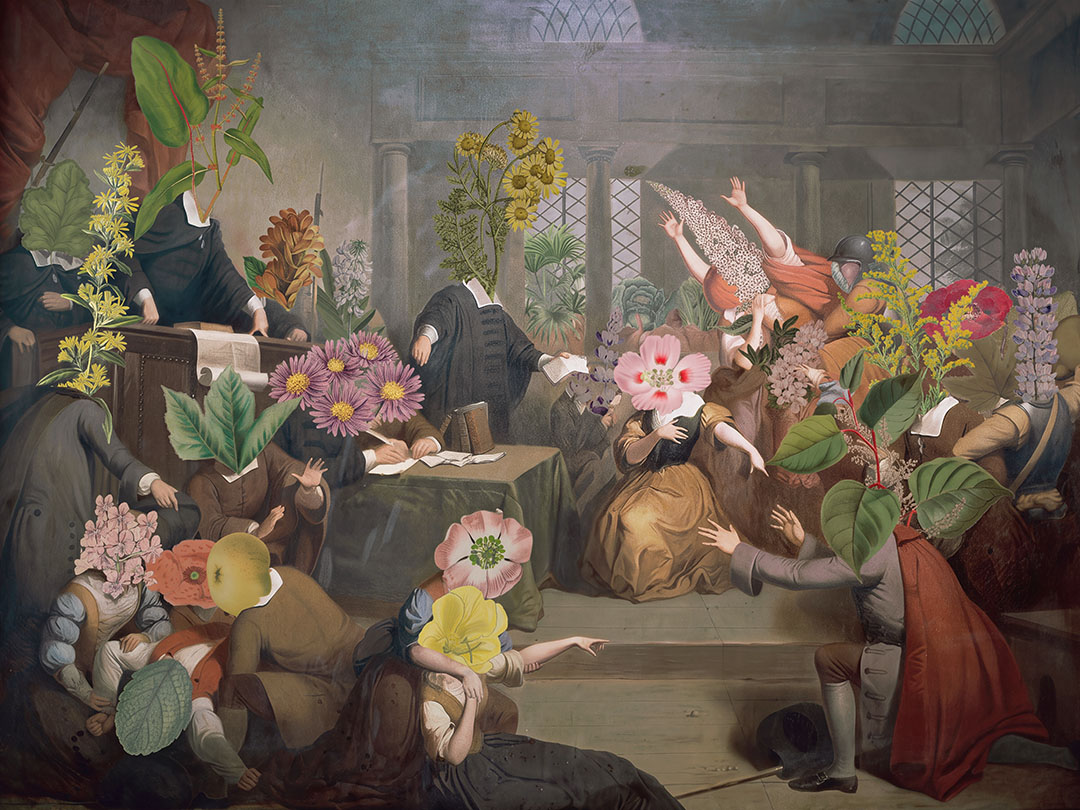
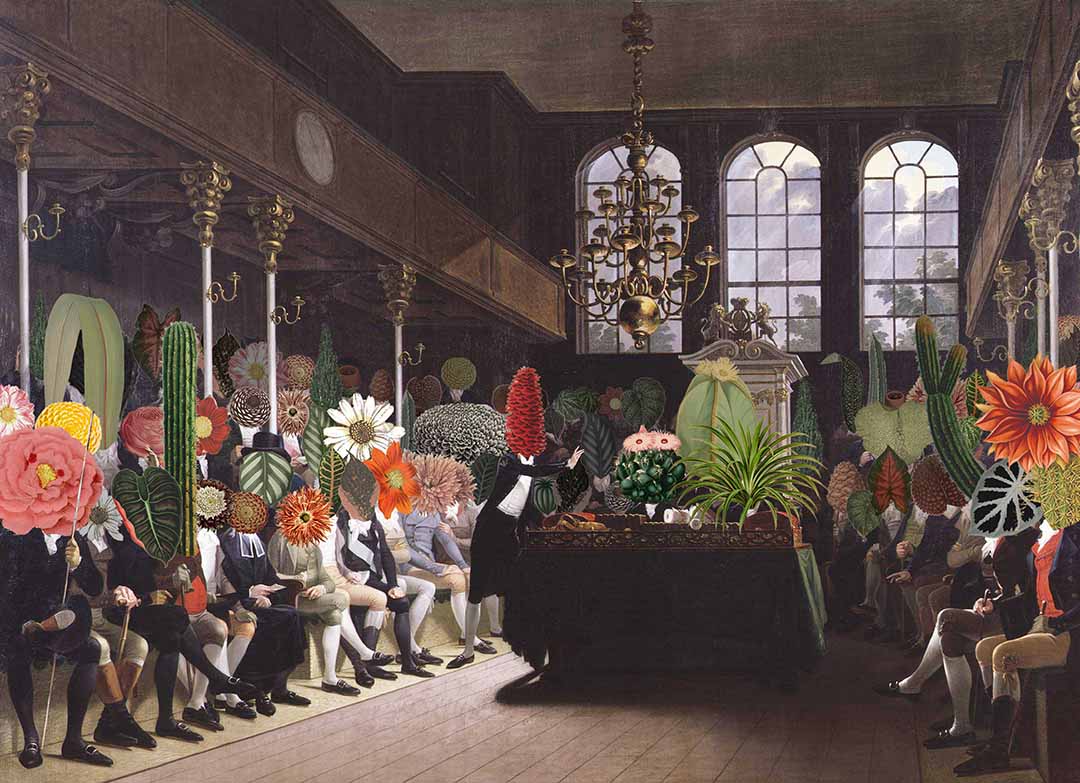
The depicted courtroom scene is rather chaotic: a pink evening primrose (Oenothera speciosa) accuses a Japanese knotweed (Reynoutria japonica) of invasion. Summer lilac (Buddleja davidii) and Canada goldenrod (Solidago canadensis) protest vehemently. On the left of the picture the broad-leaved dock (Rumex obtusifolius) judge and the common ragwort (Jacobaea vulgaris) attorney are both standing in a menacing attitude, while a mint leaf is fainting in the foreground. The crowd in the gallery background, including a Chinese windmill palm (Trachycarpus fortunei), fearfully observes the scene in silence.

Urban flora is flourishing, but this is not regarded positively by everybody: weeds are accused to damage buildings with their roots, other plants are very quickly to propagate thanks to seed dispersal or a highly resistant root network. Some of this spontaneous flora also comes from faraway locations and is labelled as “neophyte” in opposition to the local vegetation which is referred to as “endemic”. A few of those neophyte plants have indeed been very successful to develop in their new human-made habitats and have therefore been labelled as invasive. Nowadays Japanese knotweed is one of the most emblematic invasive neophytes, due to its omnipresence as well as the quasi-indestructibility of its rhizomatic system. But invasion is not a phenomenon reserved to foreign species. Indigenous plants can also become problematic in their own environment, such as the common ragwort which is a common wildflower native to Europe but often unwanted as it can be toxic to cattle and horses, or the broad-leaved dock, a hardy plant that is native to Europe but considered as highly invasive due to abundant seed dispersal, an aggressive root system, and a great adaptation to most climates. There has been in the past some examples of non-human trials, where donkeys and sows have been used as scapegoats of our own human actions. Is something similar happening today with plants?

Digital collage, Céline Baumann, 2025
Based on The Trial of George Jacobs of Salem for Withchraft, painted by Tompkins H. Matteson in 1855.

Terra Incognita

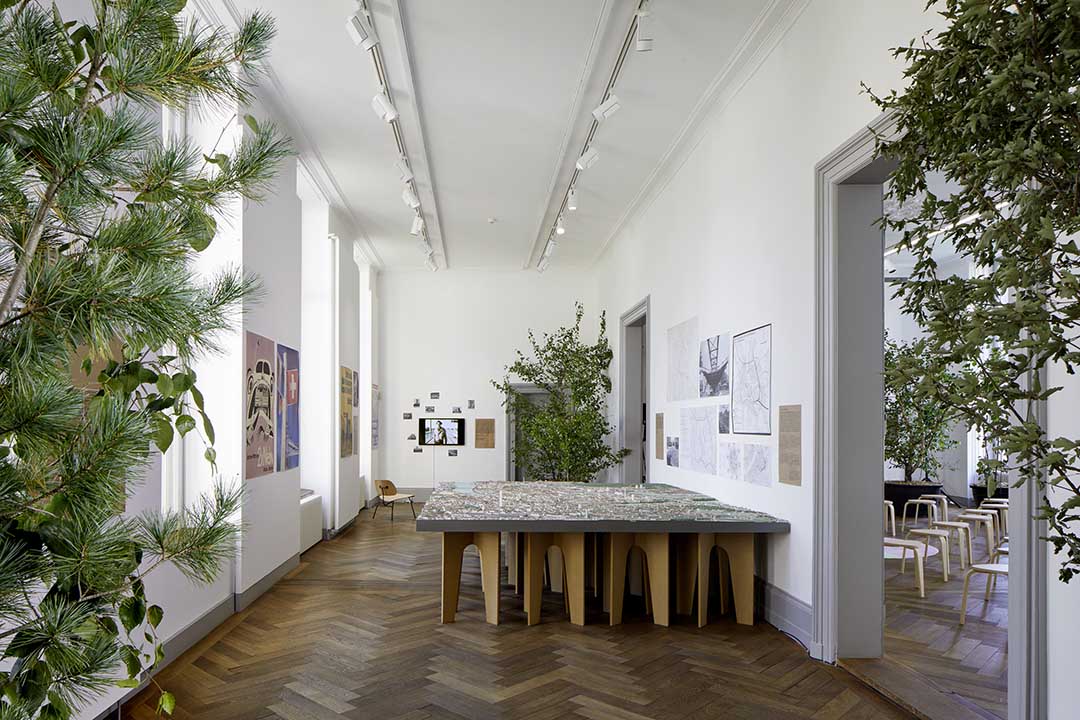
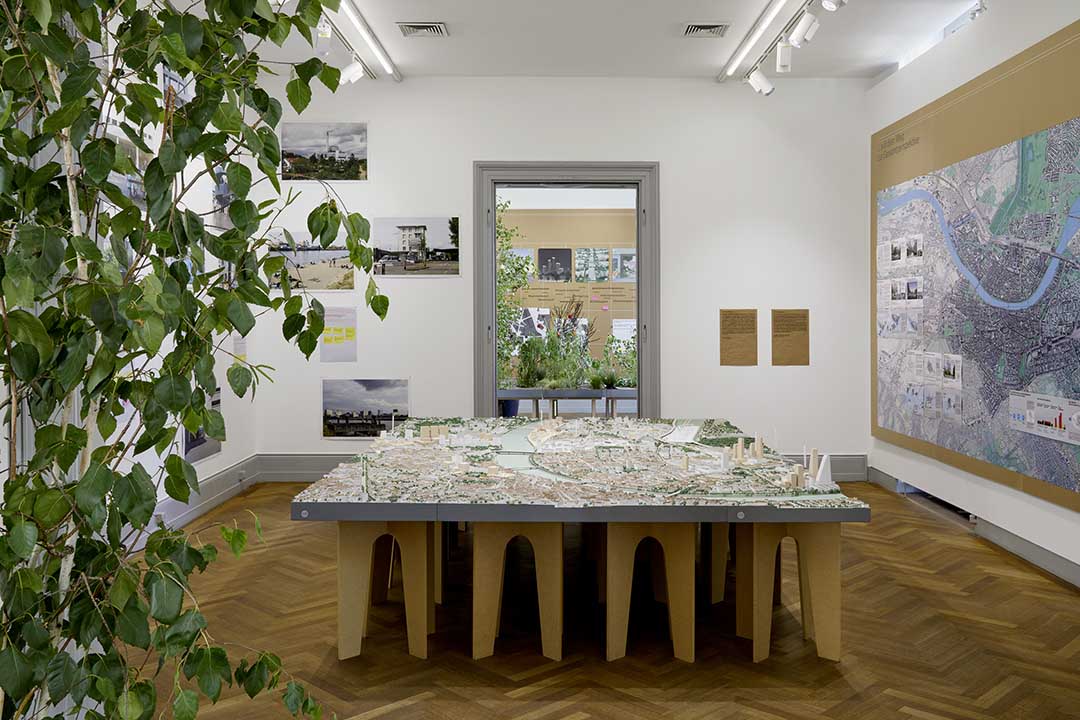
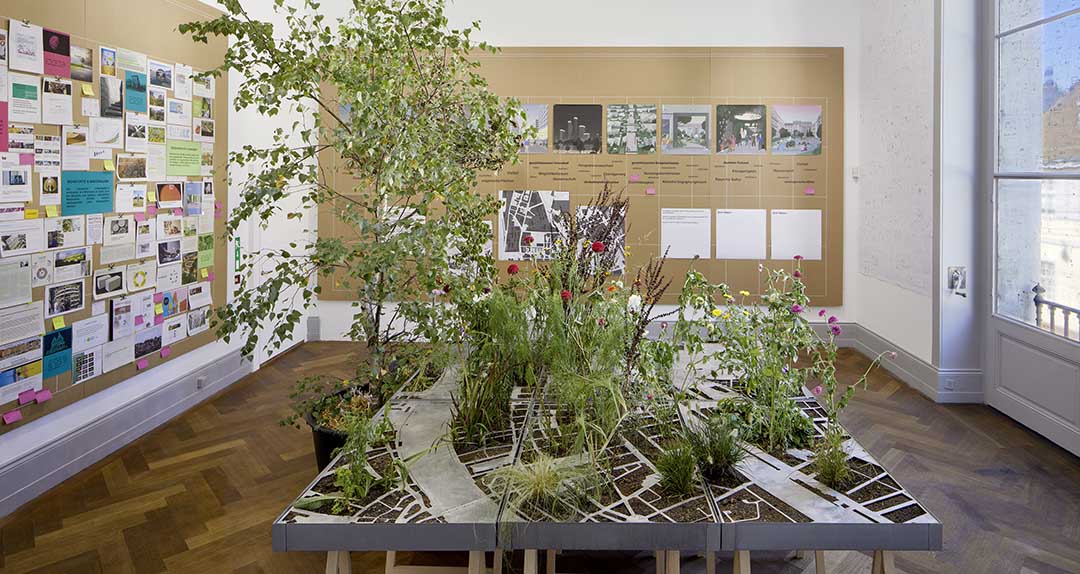
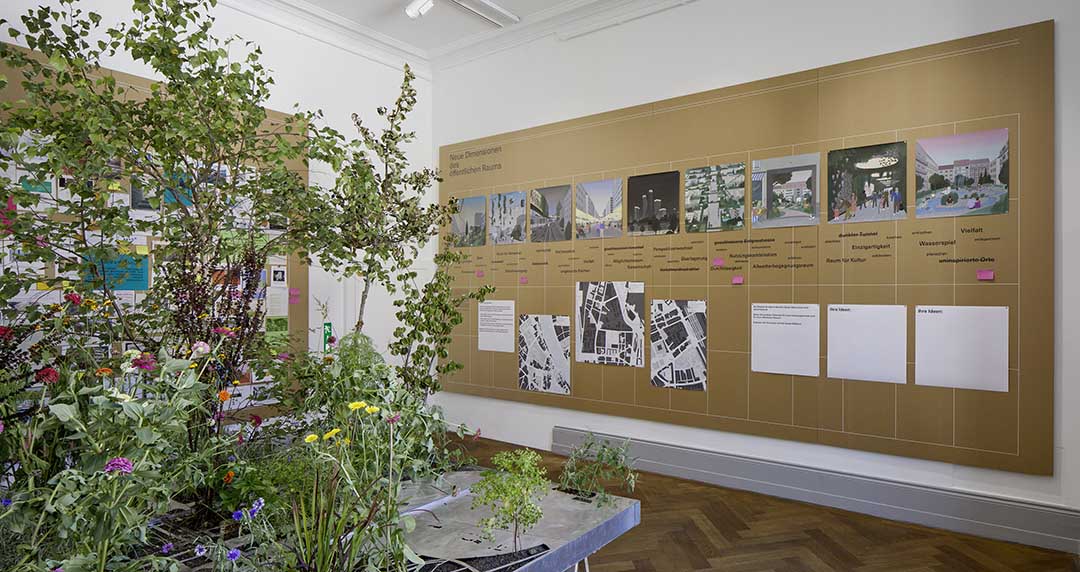
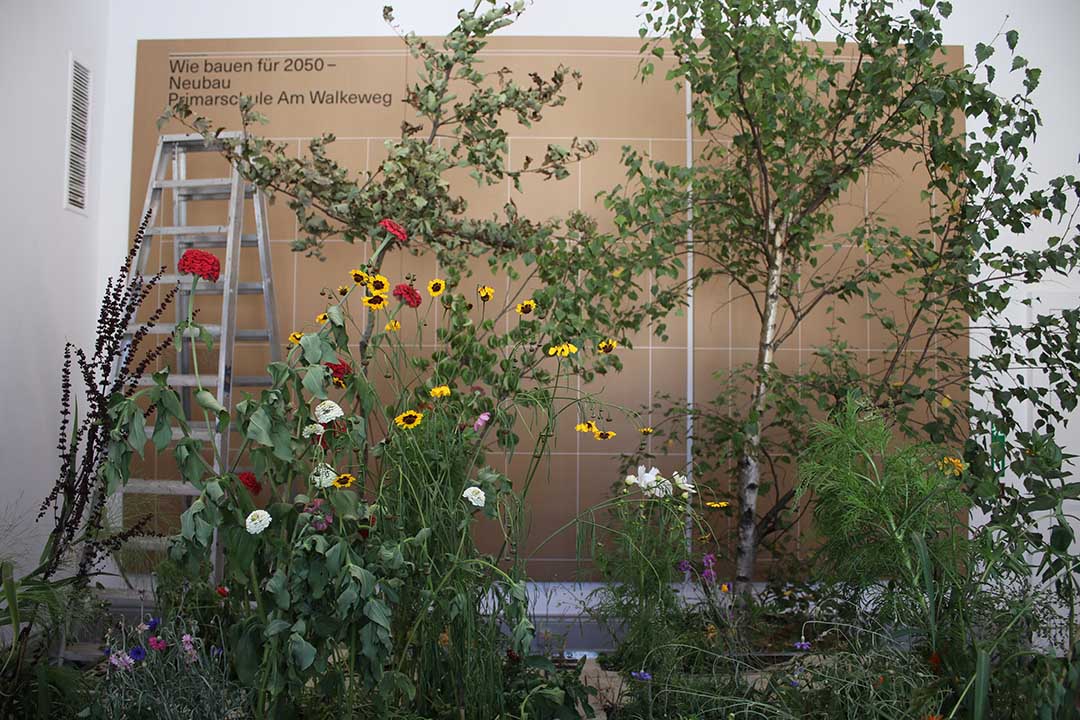
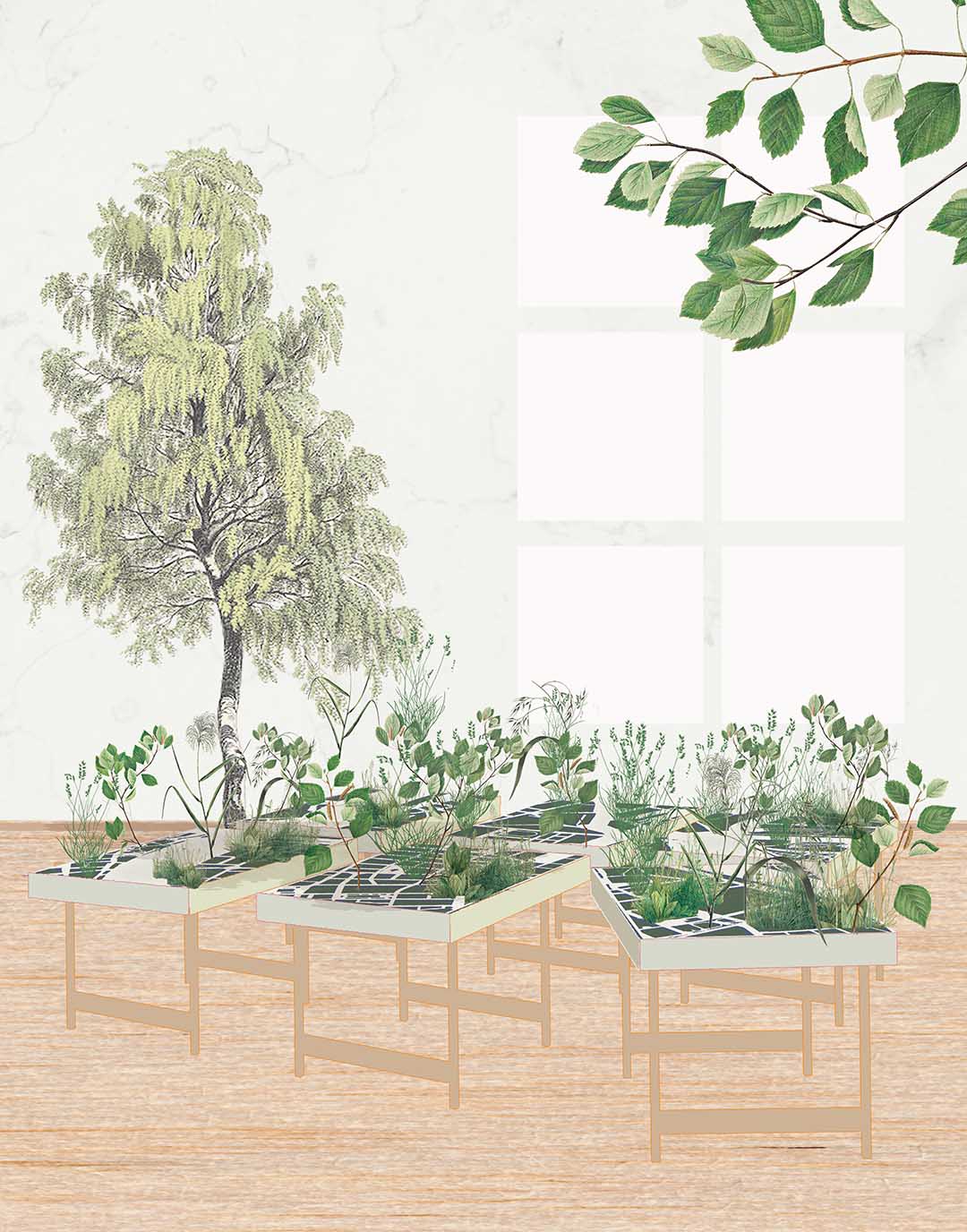
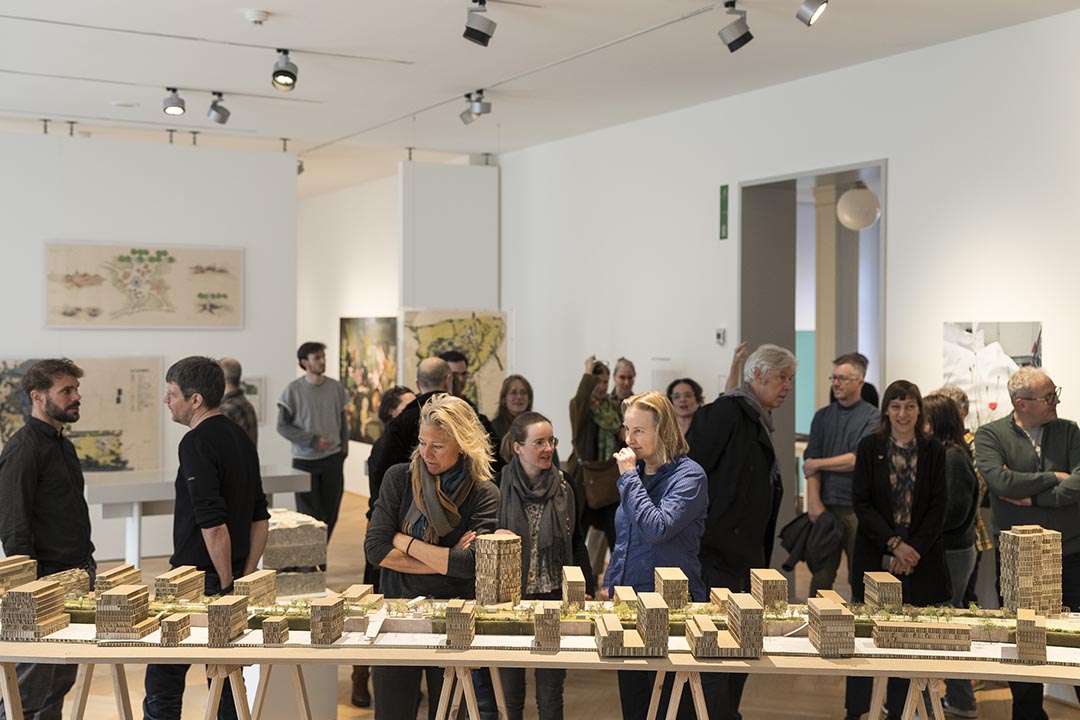
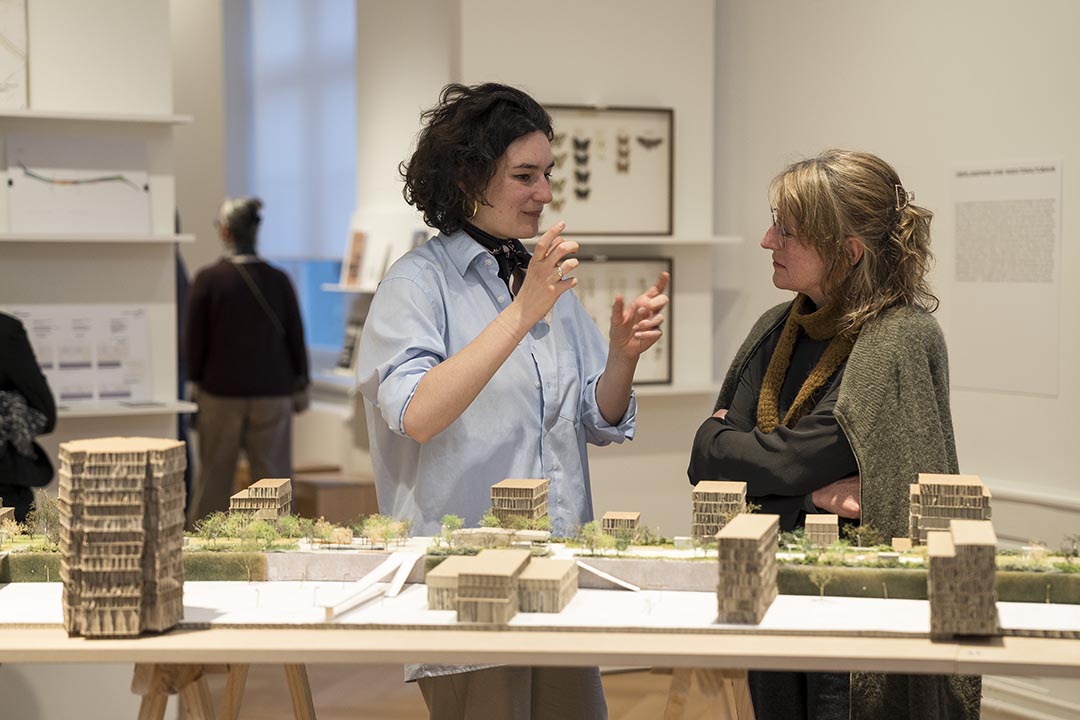
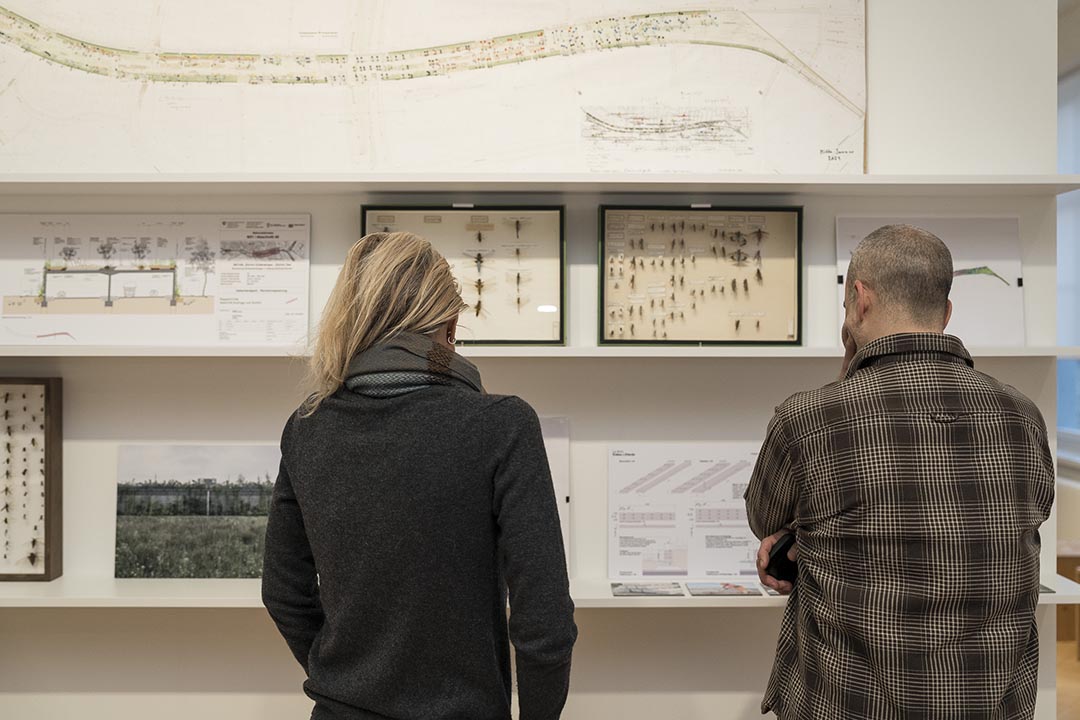
EN   Forum Basel 2050 consists of an exhibition and a series of discussion, which questions the urban development of the agglomeration. It looks back at its modern history and envisions its eventual growth. Three models are used as a tool for discussion and exchange between public officials and visitors of the museum. The first scale-replica shows the city in the sixties, at a tipping point when the townscape started some of its great infrastructural transformations, while the second model displays the current state of affairs and the upcoming developments. The third installation consists of a speculative model looking at the city from a non-human perspective.
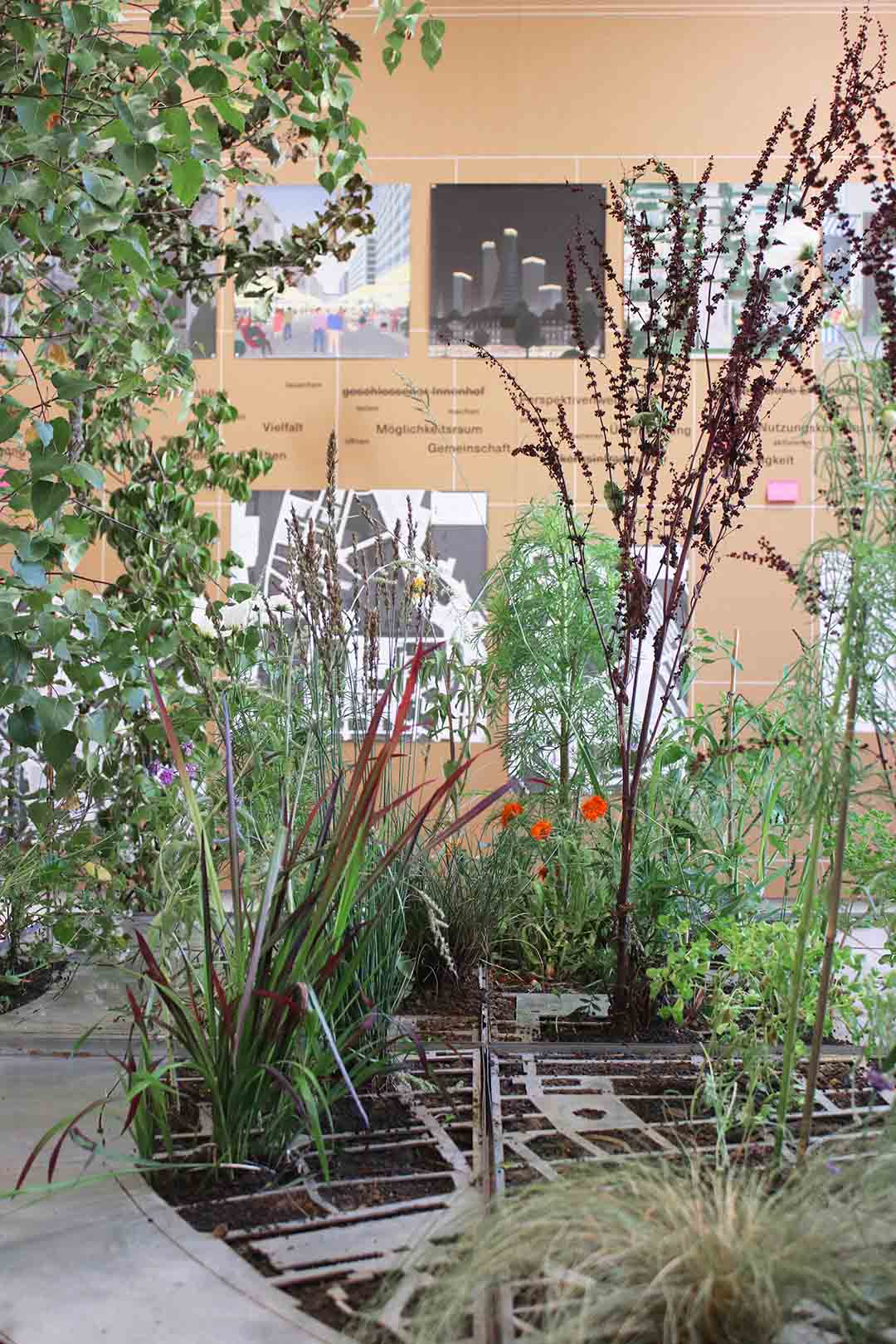
      This “Terra incognita” is conceived as a garden where pioneer plants are taking over the built fabric. Inspired by the plan of Rome from Giovanni Battista Nolli, it makes visible the frame of public space while turning the built fabric into a fertile ground hosting the growth of a third landscape in the sense of the French landscape-architect Gilles Clément. “Terra Incognita” prompts to consider the city as an organic assemble and raises questions about its nature: can a bustling town be designed in a way that it accommodates humans as well as non-humans life forms? Can Basel not only become denser, but also more organic and even cooler?

DE   Das Forum Basel 2050 beleuchtet die städtebauliche Entwicklung Basels von gestern, heute, morgen und übermorgen in Form einer Ausstellung sowie diverser Veranstaltungen. Visuell im Zentrum der Ausstellung stehen drei Stadtmodelle. Das erste Modell zeigt die Stadt Basel im Jahr 1960, als die auf den Autoverkehr fokussierte Verkehrsplanung im Zentrum stand. Das zweite Modell von 2020 bildet den Istzustand mitsamt der bereits geplanten und angedachten Entwicklung ab. Das dritte Modell ist eine sinnliche Zukunftsvision mit Pionierpflanzen, die aus einem Plangerüst eines Kleinbasler Quartier emporwachsen: die „Terra Incognita“.
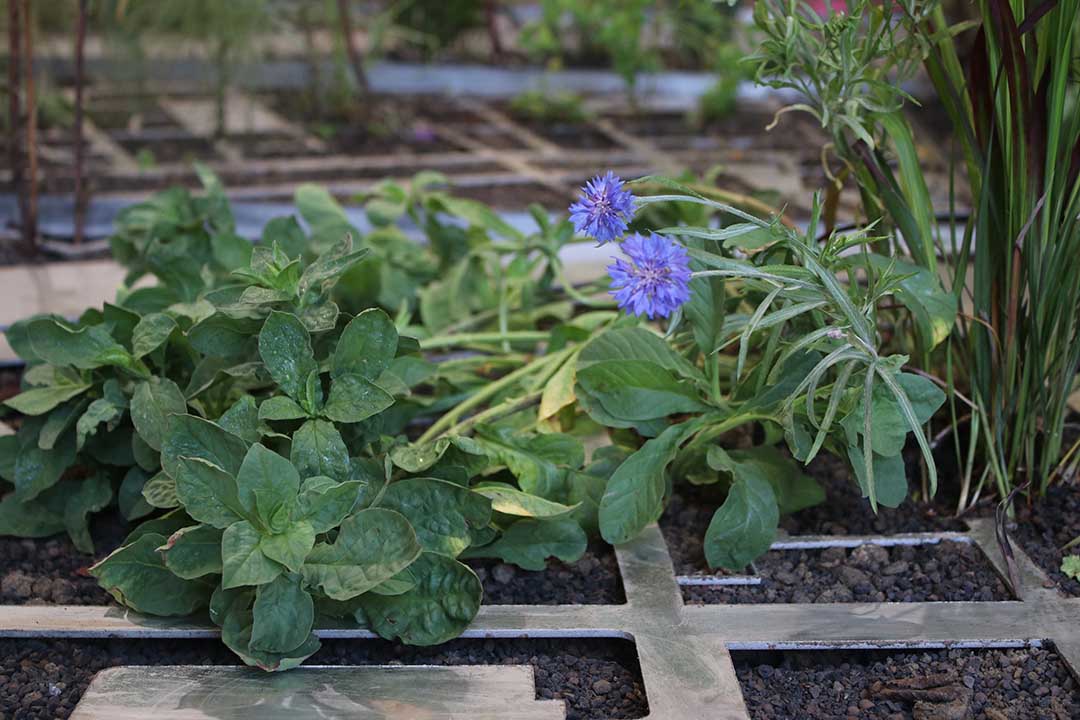
      Bei der „Terra Incognita“ geht es um neue Dimensionen des Stadtklimas. Einen Ausschnitt des Plans von Kleinbasel war dafür ausgewählt und diesen in Anlehnung an Giovanni Battista Nollis Plan von Rom bearbeitet und in dreidimensionalen Kästen umgesetzt. Heute bebaute Flächen sowie künftige Entwicklungen bilden dabei schwarze Zwischenräume, in die Pionierpflanzen gesetzt wurden. Das Modell legt nahe, die Stadt als ein Naturkonstrukt wahrzunehmen und regt so zum Nachdenken über Biodiversität an: Kann die belebte Stadt so gestaltet werden, dass sie auch andere Lebensformen beherbergen kann, biodiverse Vielfaltswelten unterstützt und Kaltluftschneisen entstehen? Kann die Stadt künftig nicht nur dichter, sondern zugleich organischer und somit kühler werden?

Photography SAM / Tom Bisig; curation: Andreas Kofler

→ Read the review “Gedanken säen” by Stephanie Hegelbach in Hochparterre, 12.2020 (German)

Forum Basel 2050 Terra Incognita Swiss Architecture Museum

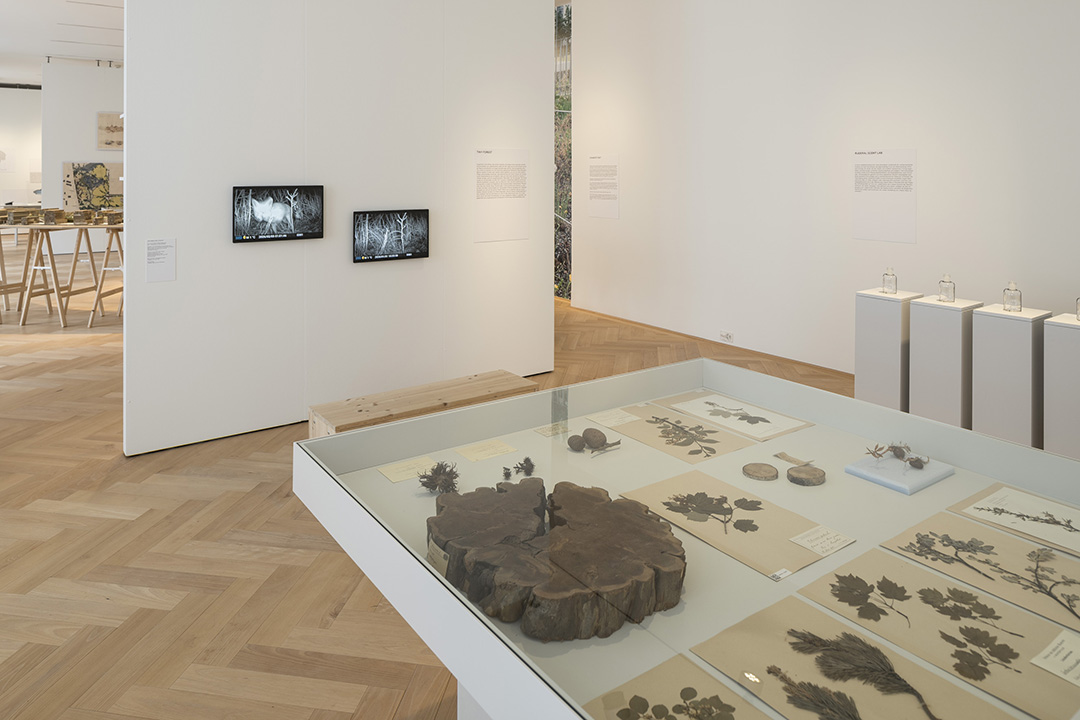
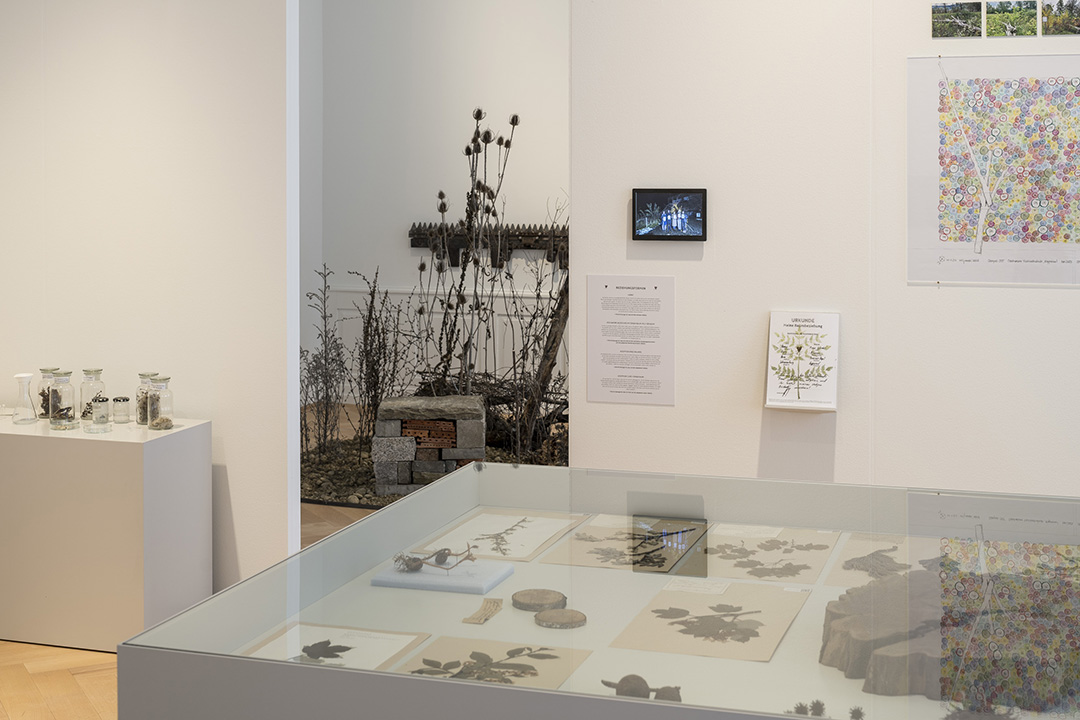
Neue Wildnis

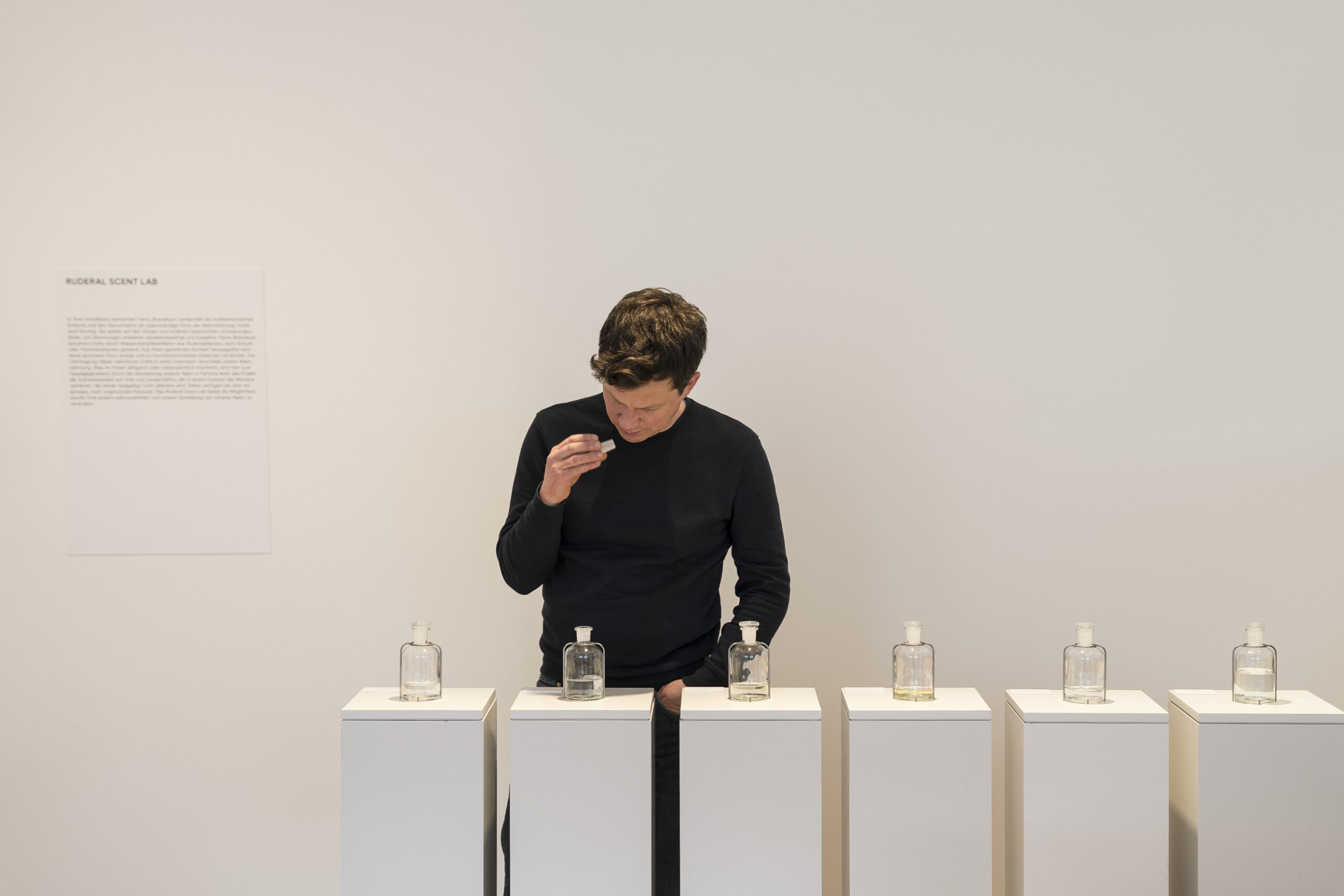
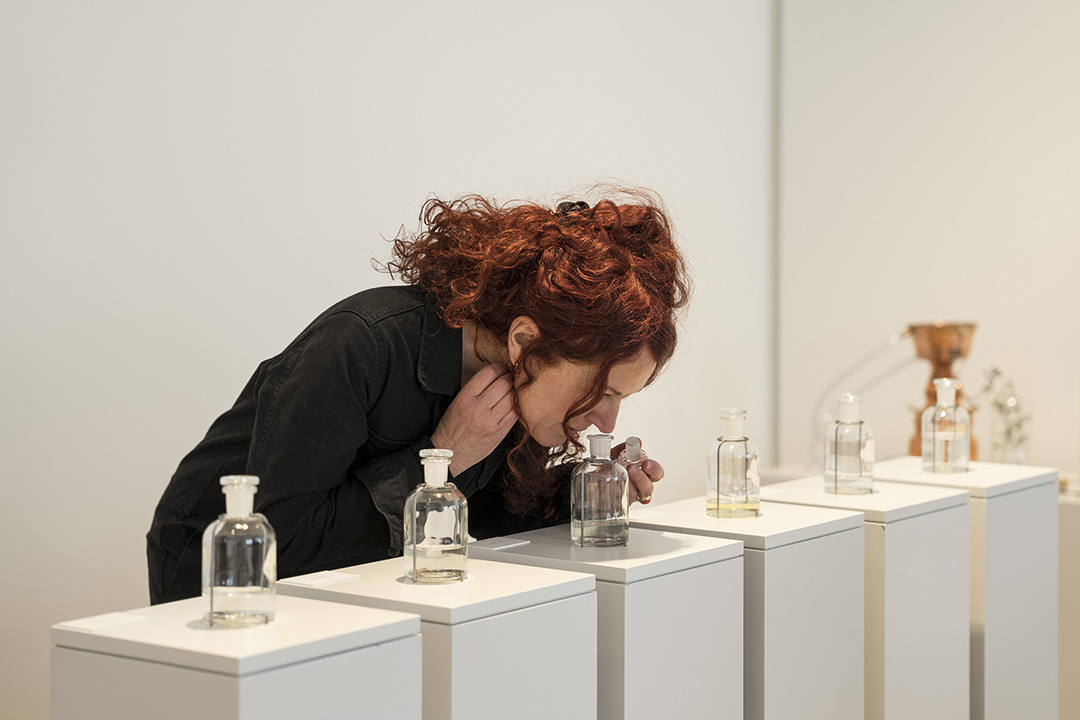
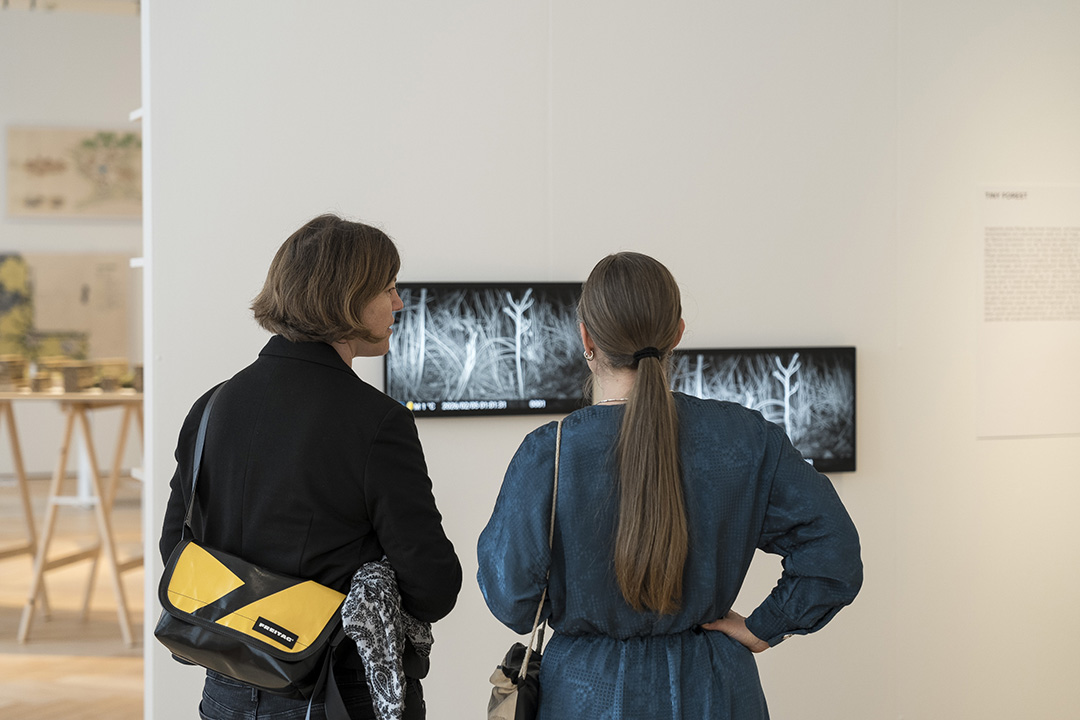
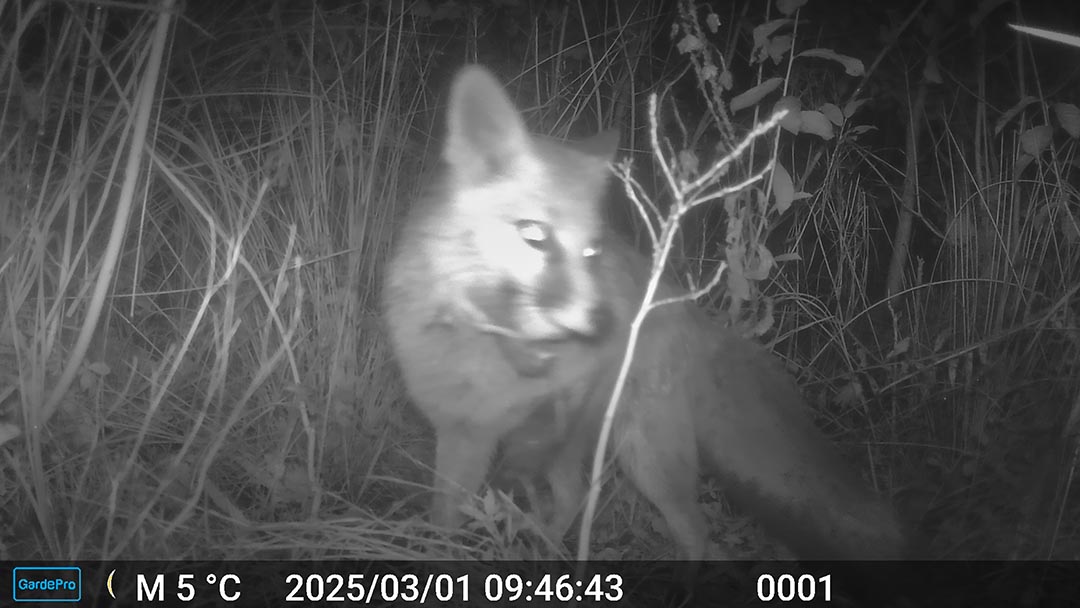
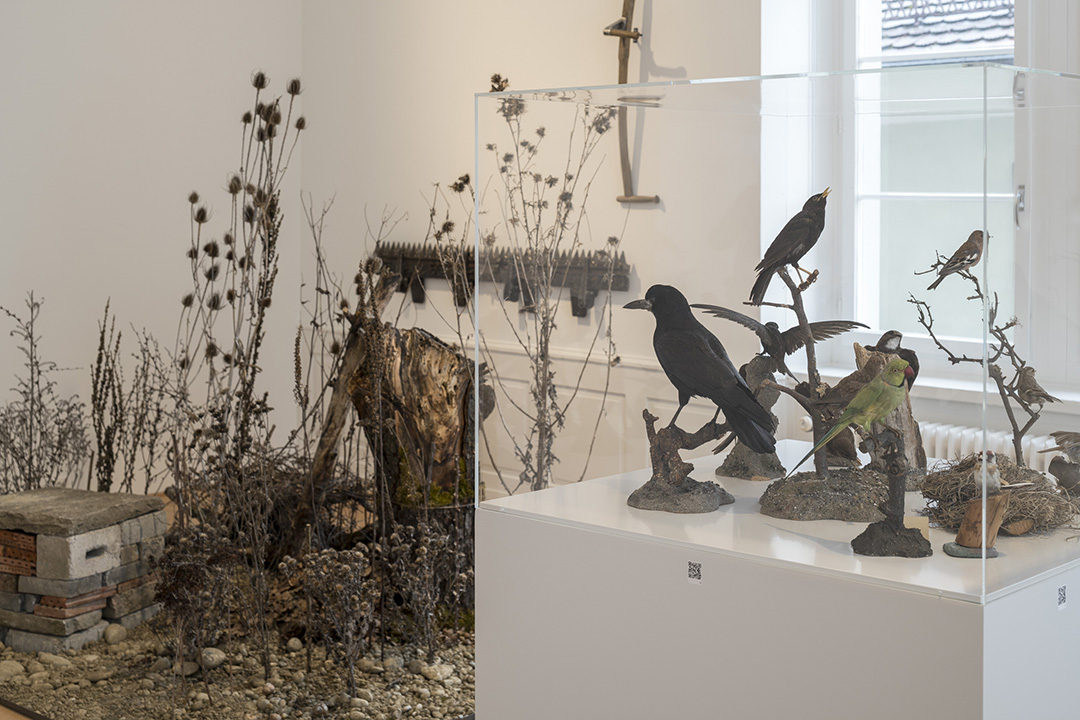
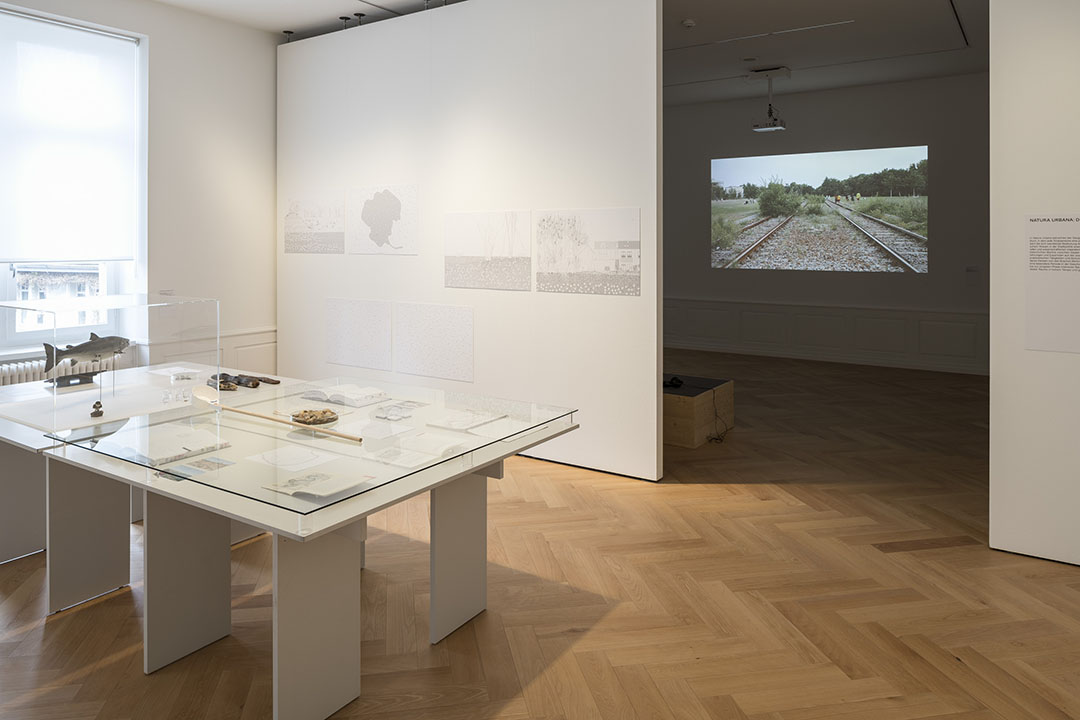
EN   Cities are not only good places for humans to live, they are also called homes by many animal and plant species that find suitable substitute habitats there. Pioneer trees on brownfields, ruderal landscapes along train tracks, non-native species spreading along the highways, spontaneous herbs growing between pavement cracks… We are surrounded within our urban landscapes by a spontaneous vegetation, which takes opportunity of the diversity of urban ecological niches in order to live an untamed existence. The term new wilderness was coined by the German botanist and urban ecologist Ingo Kowarik, to refer to this novel type of ecologies that results both from natural and cultural processes.
      Urban fauna and flora render valuable ecological services including storing rainwater and releasing it into the atmosphere, creating local cooling islands and welcoming shade, offering habitat for insects, birds, and small mammals, cleaning the air of dust producing oxygen, counteracting soil compaction, and increasing soil biodiversity. All of those benefits deserve today to be fully acknowledged as they offer the chance to shape resilient ecosystems beneficial not only to other living beings but also to our human species. Fostering this different type of Nature enables the possibility of creating a place where we can not only nurture life in general, but also and more especially encourage an emancipated kind of life, where plants are recognized to have a value of their own, beyond how valuable they are to us. This offers the tremendous potential to shape an innovative and hopeful approach to our contemporary landscapes, one both ecologically conscious and devoid of nostalgia.

DE   Im urbanen Umfeld macht sich zunehmend eine Spontanvegetation breit, die jede verfügbare ökologische Nische nutzt, um ein ungezähmtes Leben zu führen: Kräuter zwischen Pflastersteinen, seltene Pflanzen auf Brachen, wilde Gewächse und nicht heimische Arten entlang von Bahngleisen oder Autobahnen. Das Gewerbemuseum Winterthur rückt die einzigartigen Qualitäten dieser besonderen Art von Natur in den Fokus und zeigt das Potenzial solcher Stadtlandschaften auf. Überraschende Kräuter, die zwischen Pflastersteinen wachsen, Pionierbäume auf brachliegenden Grundstücken, seltene Pflanzenarten auf ungenutztem Ödland, wilde Gewächse entlang der Bahngleise, nicht heimische Arten, die sich an den Rändern der Autobahnen ausbreiten.
      Wir sind in unserem urbanen Umfeld von einer Spontanvegetation umgeben, die jede verfügbare ökologische Nische nutzt, um ein ungezähmtes Leben zu führen. Diese besondere Art von Natur verdient es heute, nicht nur für ihre einzigartigen Qualitäten gewürdigt, sondern auch gefördert zu werden. Sie bietet das Potenzial, einen hoffnungsvollen Ansatz für unsere heutigen Stadtlandschaften und Lebenswelten zu entwickeln, der sowohl ökologisch bewusst als auch frei von Nostalgie ist. Die Ausstellung «Neue Wildnis» präsentiert ausgewählte Projekte aus Landschaftsarchitektur, Forschung und Ökologie, die mit innovativen Perspektiven eine neue Wildnis fördern und ein zukunftsweisendes Verständnis von Stadtnatur teilen.

New Wilderness is curated by Studio Céline Baumann in collaboration with the Gewerbemuseum Winterthur.

With projects and loans from: Archiv für Schweizer Landschaftsarchitektur; Céline Baumann; Fanny Brandauer; Matthew Gandy: Johanna Just; Franziska Klose; Krebs und Herde; Winterthur Nature Museum; OST, Rapperswil; Stadtgrün Winterthur

Photography: Michael Lio
Team SCB: Céline Baumann, Hannah Ehre

→ Read the review in the Hochparterre by Maarit Ströbele, 2026 (German) 
→ Listen to the interview from Kaa Linder for SRF (German)

​

Queer Nature

“If plants are our oldest teachers,” as Céline Baumann surmises, what might we learn from them? What knowledge, which stories do they have to share? One key lesson to be learned from the botanical world would be the ubiquity of queerness. No matter where you look in nature, it’s there.
      As part of an ongoing investigation into the diversity of gender expression and sexual behaviour in plants, Baumann brings together specimens, illustrations, pictures and stories. Yet the research she presents goes beyond the mere recognition that plants are often unisexual or bisexual, hermaphroditic or transitionally transgender, depending on their age, the time of day or environmental conditions. What she endeavours to convey, rather, is that such knowledge can be put to good use: to make the ground we live on—whether on a domestic, urban or national level—“porous and permeable” and “welcoming” for all.” Catherine Nichols, Creative Mediator Manifesta 14 Prishtina.

Photography: Marc Doradzillo / BfF3; Majlinda Hoxha / Manifesta 14 Prishtina; Alena Halmes / depatriarchise design; Sandra Maier / Kunstmuseum Liechtenstein; Jiří Thýn / Viper Gallery; Istvan Virag / OAT
Curation: Catherine Nichols / Manifesta 14 Prishtina; Christiane Meyer-Stoll / Kunstmuseum Liechtenstein

→ Read the interview „Plant Pleasures and Intimacies“, in l’esprit créateur, by Céline Baumann in conversation with Natania Meeker and Antónia Szabari, 2023 (English)
→ Read the essay “Queer Nature” by Céline Baumann published in the special issue of archithese on queerness, 2020 (English)
→ Read the essay “Ce que nous dit l’intimité du kiwi et du crocus” by Céline Baumann in the independent magazine mille cosmos, 2022 (French)
→ Listen to the podcast “Queer Nature” of the Botanical Mind Online, Camden Art Centre, London, 2020


Oslo Architecture Triennale Oslo arkitekturtriennale 2019 Degrowth Enough festival Queer Nature studio celine baumann Frogner Park

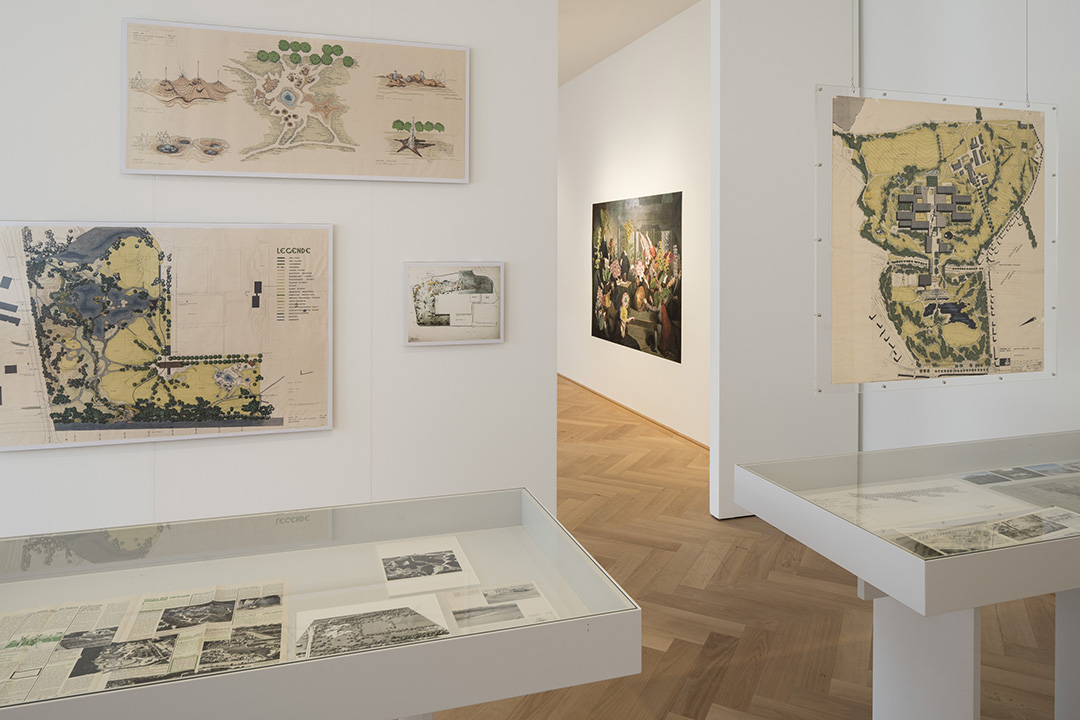
Ramification

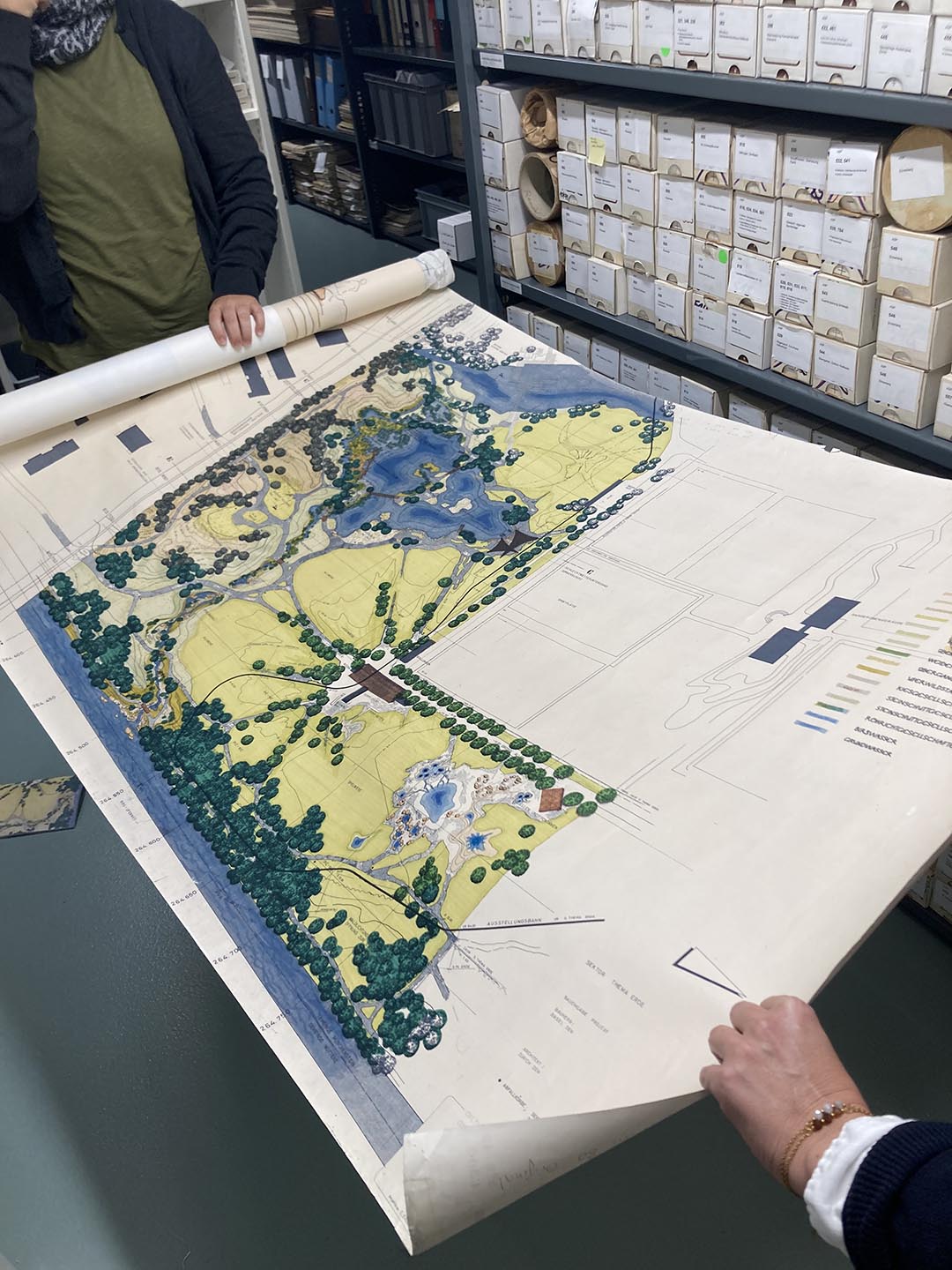
EN   Plants usually expand through a process of ramification, forming branching structures that become increasingly thinner and more intricate as they grow. A tree, for instance, subdivides its aerial structure into branches and twigs in order to extend its foliage efficiently. This botanical process also manifests itself at the scale of the landscape; such as in the case of a watershed, where small tributaries flow into increasingly wide rivers before reaching the sea.
      In the process of gradual ramification, systems react sensitively to given environmental conditions and incorporate those that favour their growth while neglecting those that do not. As part of such complex systems, landscape architects must explore how they can intervene to manipulate the natural conditions in such a way that the desired changes are brought about.
      This exhibition brings together the work of landscape architects, urbanists, biologists and students from various backgrounds and generations, who are—consciously or unconsciously—drawing on the metaphor of ramification within their practice. Their work exemplifies how the understanding of natural processes allows beneficial relationships with our natural environment to be cultivated. They demonstrate the possibility, and furthermore, our responsibility, to accommodate life within damaged territories in order to shape resilient ecosystems.
DE   Pflanzen wachsen in der Regel durch den natürlichen Vorgang der Verästelung (Ramification), d. h. sie bilden Strukturen aus, die sich verzweigen und mit zunehmender Ausdehnung immer feiner und komplexer werden. Ein Baum beispielsweise unterteilt seine oberirdische Struktur in Äste und Zweige, um sein Blattwerk effizient zu erweitern. Dieser botanische Prozess zeigt sich auch auf der Ebene von Landschaften, zum Beispiel in einem Wassereinzugsgebiet, wo kleine Nebengewässer in immer größere Flüsse münden, bevor sie das Meer erreichen.
      Im Prozess fortschreitender Verästelungen reagieren die Systeme sensibel auf gegebene Umweltbedingungen und inkorporieren diejenigen, die ihrem Wachstum entgegenkommen, während andere vernachlässigt werden. Als Teil solcher komplexen Systeme müssen auch Landschaftsarchitekt*innen herausfinden, mit welchen Eingriffen sie die Bedingungen so manipulieren können, dass die gewünschten Veränderungen herbeigeführt werden.
      Die Ausstellung zeigt Arbeiten von Landschaftsarchitektinnen, Stadtplanerinnen, Biolog*innen und Studierenden verschiedener Herkunft und Generationen, die – bewusst oder unbewusst – die Metapher der Verzweigung in ihre Arbeit einbeziehen. Ihre Praxis macht anschaulich, wie das Verständnis natürlicher Prozesse es ermöglicht, vorteilhafte Beziehungen zu unserer natürlichen Umwelt zu kultivieren. Sie illustrieren die Möglichkeit und darüber hinaus die Verantwortung, auch in geschädigten Gebieten eine lebendige Vielfalt zu ermöglichen, um widerstandsfähige Ökosysteme zu schaffen.

Contributors: Altitude 35; Chair of Being Alive, ETHZ; Inside Outside, Petra Blaisse; Studio Paola Viganò; Superpositions, Georges Descombes, Atelier ADR; Sylvie Viollier, Cyril Verrier, La Frontière; mavo Landschaften and the students of Studio Rhizomes.
Curation: Céline Baumann with the support of Myriam Treiber
Photography: SIK-ISEA, Martin Stollenwerk, courtesy of Museum im Bellpark Kriens, 2024

→ Read the related publication Ramification, edited by Céline Baumann and published by the Museum im Bellpark, 2025 (English)
→ Read the review in the Hochparterre by Maarit Ströbele, 2024 (German)
→ Read the review in the werkbauenwohnen by Rolan Züger, 2024 (German)
→ Read the review in the Luzerner Zeitung by Susanne Holz, 2024 (German)