Research

Gardens Without Boundaries: Straddling the Line Between Wild and Domesticated

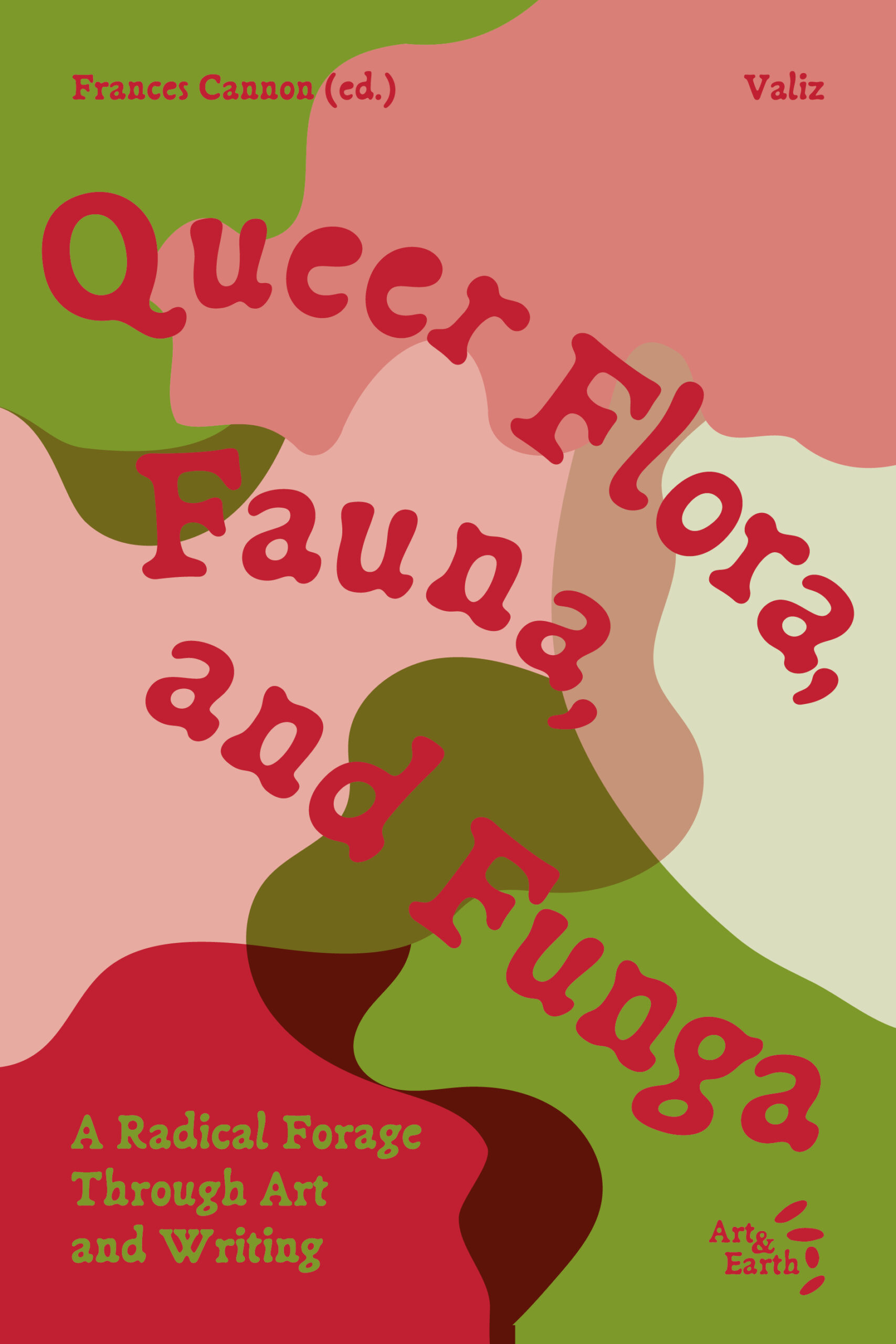
Queer Flora, Fauna, and Funga is an eclectic and transdisciplinary anthology, highlighting the sexual and gender diversity in nature. Queer theory and natural history intersect through visual art and creative writing. This publication gives attention to roughly forty case studies, which inspire us to reimagine the world and our place in it. Each contribution dives into questions such as: How does acknowledging the queerness of nature inspire us to compose the world otherwise? How can we rewrite history to make a place for ourselves in the story? And what is the role of an individual in a symbiotic community? The arts, poetry, scientific and speculative writing spark this imagination, and give readers tools to shape the world differently. Queer Flora, Fauna, and Funga asks to expand our knowledge about sexual and gender diversity, and to reconsider our relationships with each other and our more- than-human companions in the natural world.

→ Buy online
→ Read pdf

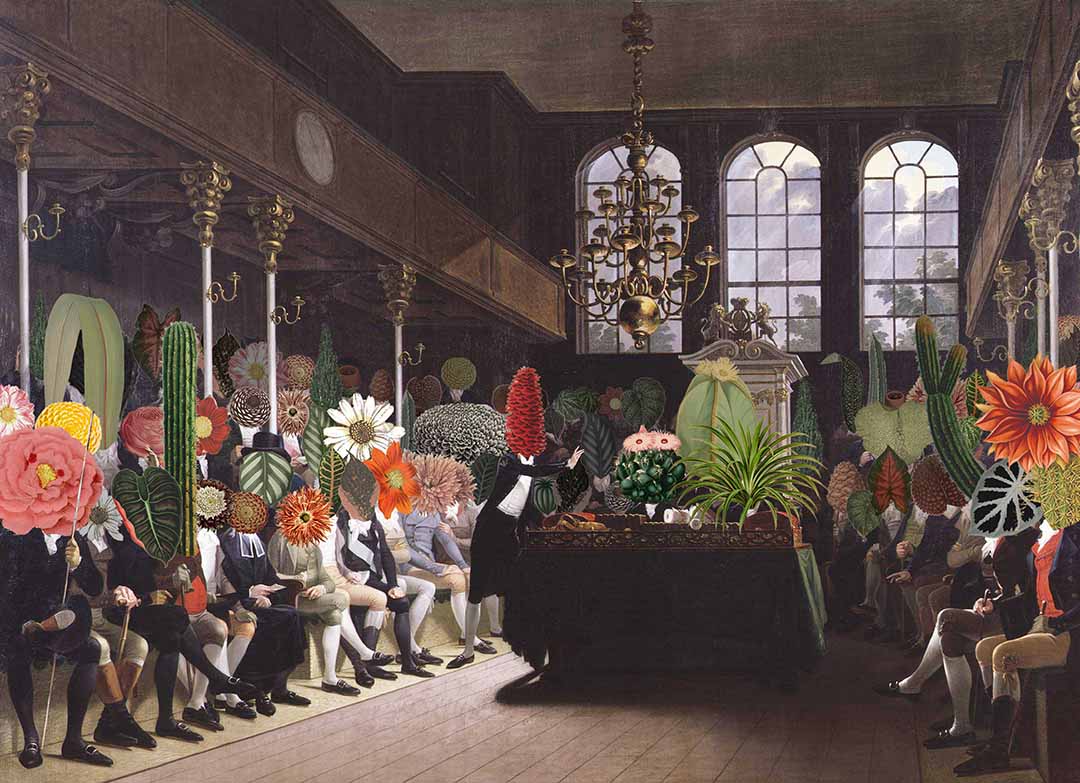
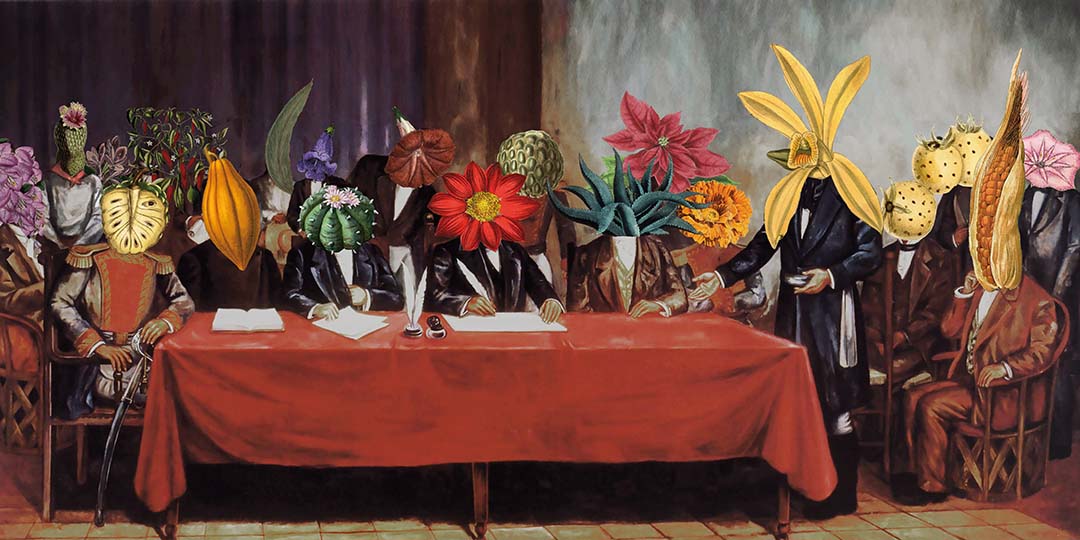
Parliament of Plants

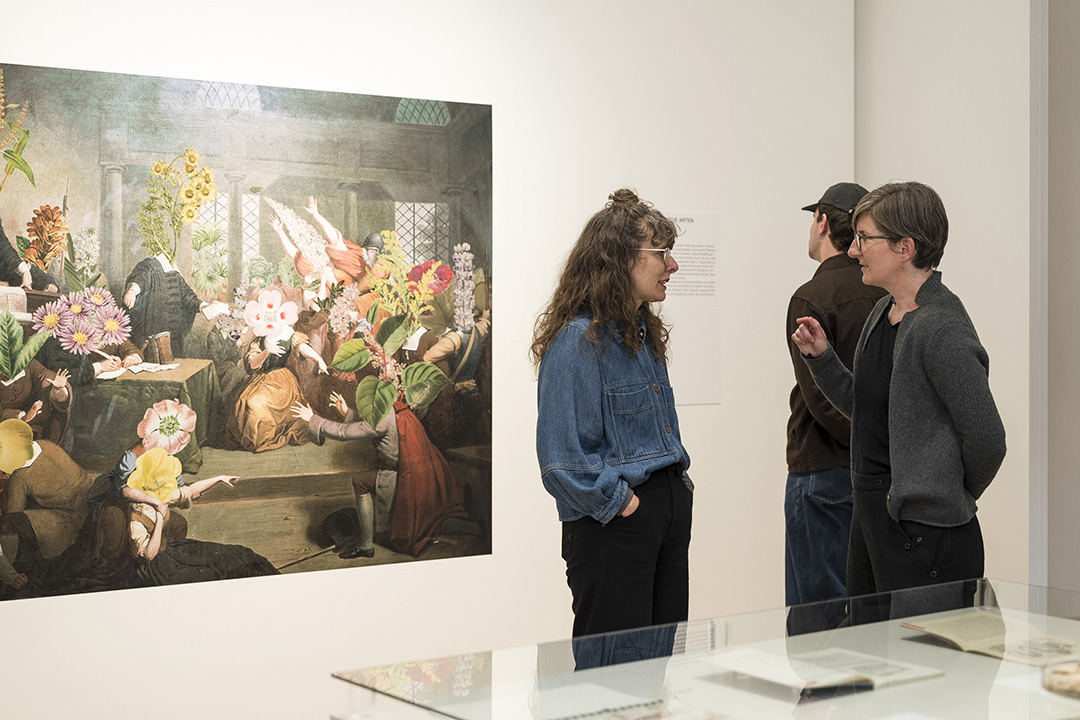
The Parliament of Plants proposes an urban environment where the wisdom of plants is highly valued for their knowledge of social and economic biotopes, as well as their deep understanding of natural processes. Woody, leafy, and flowering beings form here an hegemonic green democracy. With similar protocols to those currently used in the political arena, in this parliament of vegetation, legislators from different origins convene on a daily basis to debate current issues. Yet in contrast to the constant confrontation and tension found in “human” political contexts, this parliament of plants usually comes to a consensus and manages to come to agreements—despite having divergent views—because its members are aware of the importance of taking measures and acting decisively in areas regarding ecology, inclusion, tolerance, and diversity, with the understanding that their administration can only act towards the common good, basing their decisions on the principle of mutual care and support.

Based on The House of Commons, 1793-94, by Karl Anton Hickel     

Photography: Ludger Paffrath / Vitra Design Museum

Limited artist’s proof of the “Parliament of Plants” images available. Edition of 70×50 cm, printed on Hahnemuhle Bright White 310g paper 100% cotton, signed and hand-numbered. Contact us for more information.

→ Read the inverview “Human habitats need to accommodate other living beings.” with Viviane Stappmanns, Garden Futures, 2023 (English)
→ Read “The Parliament of Plants and other Cautionary Tales, Where Stories Make Worlds and Worlds Make Stories”, by Céline Baumann in Conversation with Ethel Baraona Pohl, Solitude Journal, 2020 (English)
→ Read the review of “What is radical today?” by George Kafka for Metropolis magazine, 2019 (external link)


Royal Academy of Arts London Parliament of Plants Display Exhibition What is radical today House of Commons Karl Anton Hickel

Twelve Cautionary Urban Tales

To explore this question, a group of contemporary practices from different generations and with diverse professional backgrounds has been invited to shape these “Twelve Urban Fables” by reinterpreting the original format of Superstudio’s twelve stories and transforming the exhibition into a tool that encourages us to rethink our role in shaping the city. To this end, each practice tell us a fable in the form of an artistic installation, creating a series of narratives open to multiple interpretations. These new fables, as if emerging from the pages of a book, seek to question our understanding of what constitutes a city and, in doing so, help us reimagine what the city could become, a space where relationships, nature, bodies, and geographies coexist. The stories and narratives presented in this exhibition will help us problematize and challenge the conventional definition of the city, revealing, through their narratives, new and different ways of inhabiting the world.

Photography: Ángela Losa , María Eugenia Serrano & Lukasz Michalak, Estudio Perplejo / Matadero


​

Matadero Doce fábulas urbanas twelve cautionary urban tales Madrid Ethel Baraona Pohl César Reyes Taller de Casquería Naranjo-Etxeberría Superstudio parliament of plants

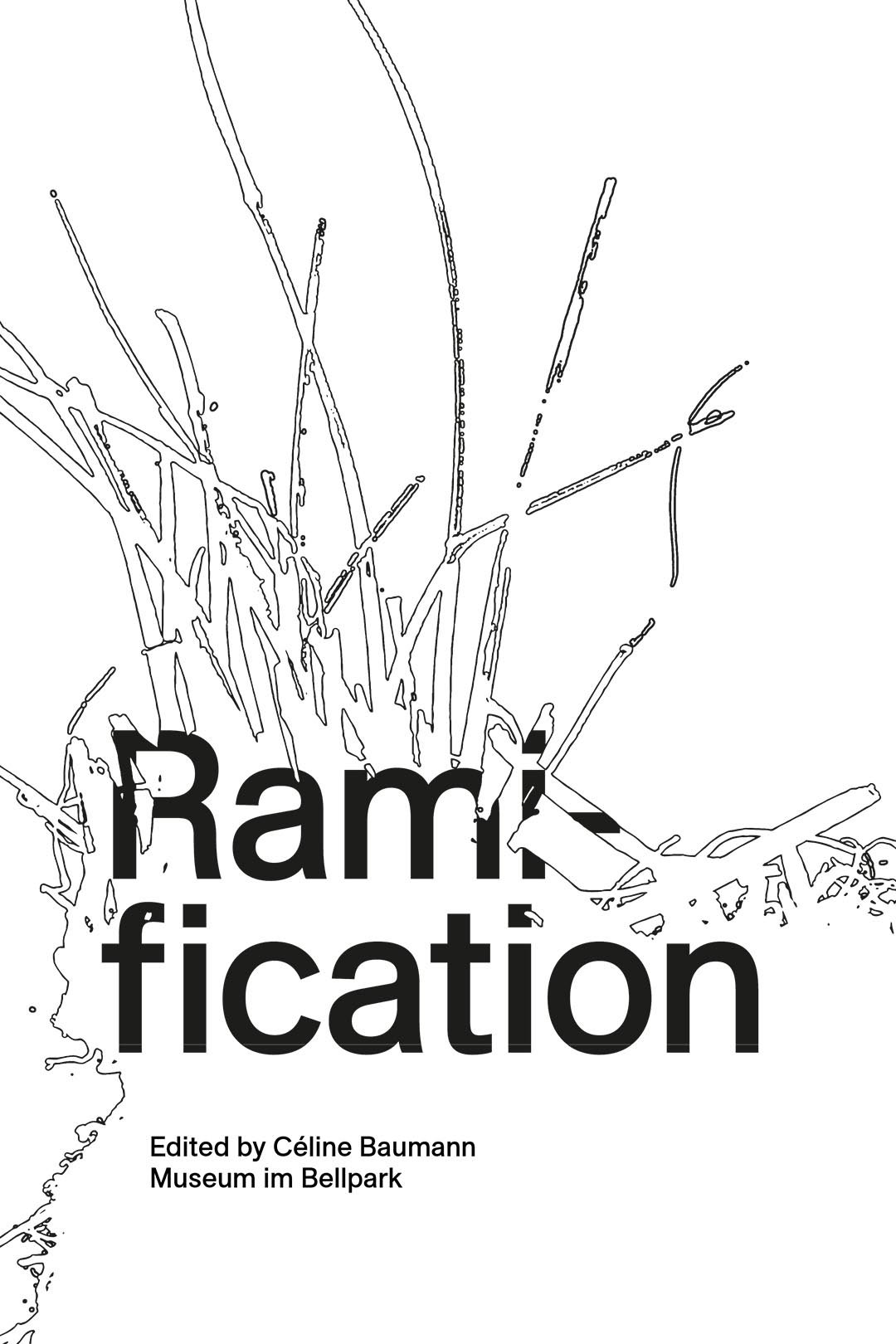
Ramification

Recipient of the Julius Posener Exhibition Catalogue Award 2026 from the International Committee of Architectural Critics CICA

We are familiar with the idea of ramification from botany: in the case of the tree, aboveground elements like limbs and twigs visibly branch out in order to enlarge the overall leaf surface and thereby maximize processes of photosynthesis. The principle of ramification can also be seen in the realm of larger systems: for example, in the case of a watershed, where small tributaries flow into ever-larger rivers before reaching the sea.
      Ramifications can cover larger areas without eliminating, or pushing out, what is already there, and can thereby connect otherwise isolated entities. And ramification is also a conceptual tool that offers insight— not only into the anatomy of a plant but also onto connections within and between landscapes.
      This publication presents the innovative perspectives of a select group of landscape architects, urbanists, and biologists whose practices share a forward-looking understanding of their disciplines and who have—knowingly or unknowingly—adopted the metaphor of ramification to think about landscape and make it possible, thereby, to design more sensitively and with a greater orientation toward the future.

With contributions by Céline Baumann, Jana Crepon, Julie Delnon, Georges Descombes, Hilar Stadler, and Paola Viganò. Projects by Altitude 35, Paris; Inside Outside, Amsterdam; StudioPaolaViganò, Brussels and Milan; Superpositions, Geneva; Sylvie Viollier and Cyril Verrier, Geneva; and mavo Landschaften, Zurich.

You can find the book in the following bookstores: Geneva: Fahrenheit 451, Large/Kiosk; Kriens: Museum im Bellpark; Lausanne: Basta!, Payot; Zurich: Hochparterre Bücher, Never Stop Reading; Berlin proqm

→ Buy online
→ Read pdf preview


“Human Habitats Need to Accommodate Other Living Beings”

Landscape architect Céline Baumann designs urban environments, but she also maintains a prolific practice as an artist and educator. Her Basel-based studio is committed to research on plant life and interrelations with humans. Her intersectional lens in turn informs her design work, in which she aims to create dynamic open spaces that respect the ecology of both humans and nature.

Interview by Viviane Stappmanns

→ Buy online
→ Read pdf (english)
→ Read pdf (german)


Home Sweet Home

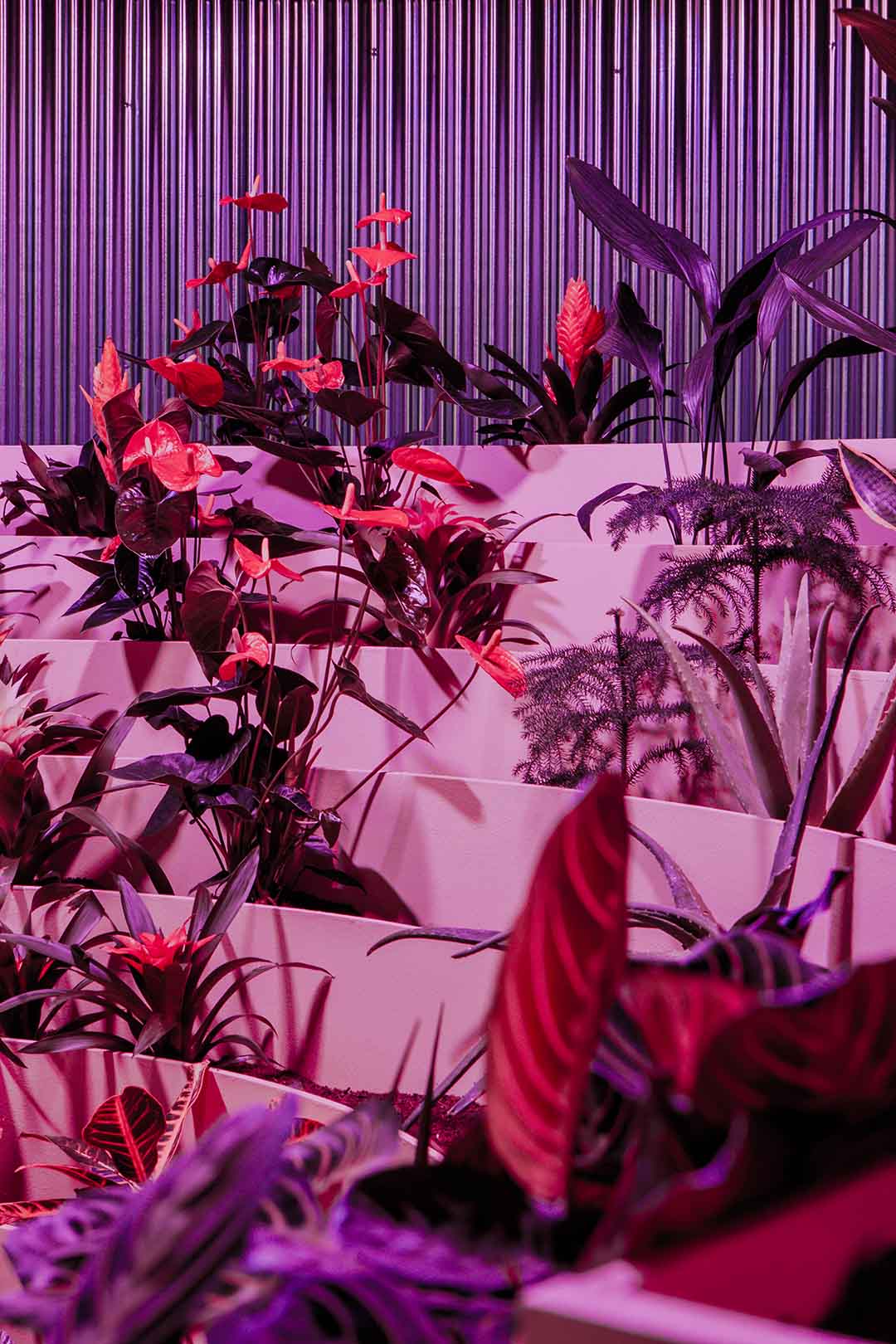
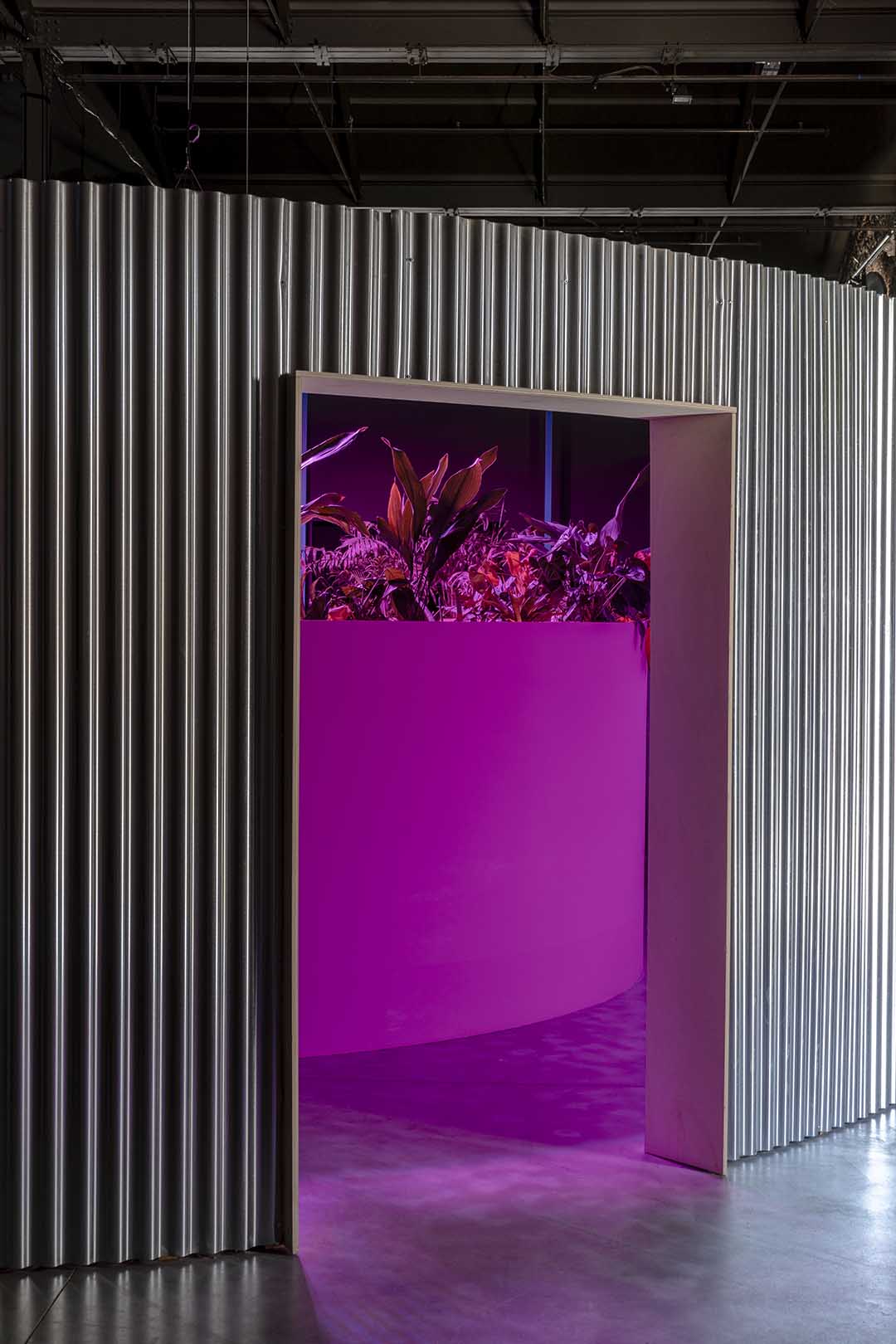
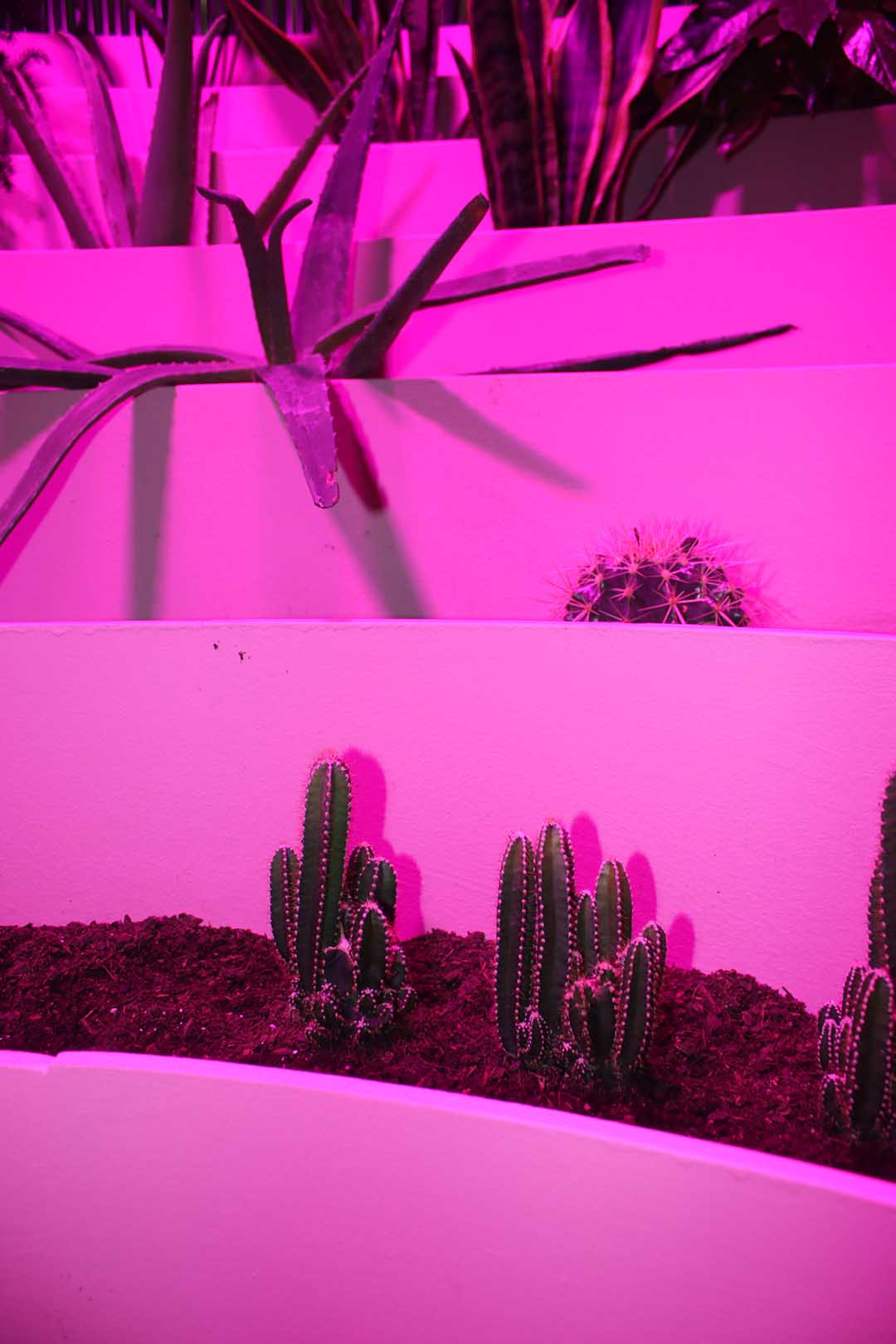
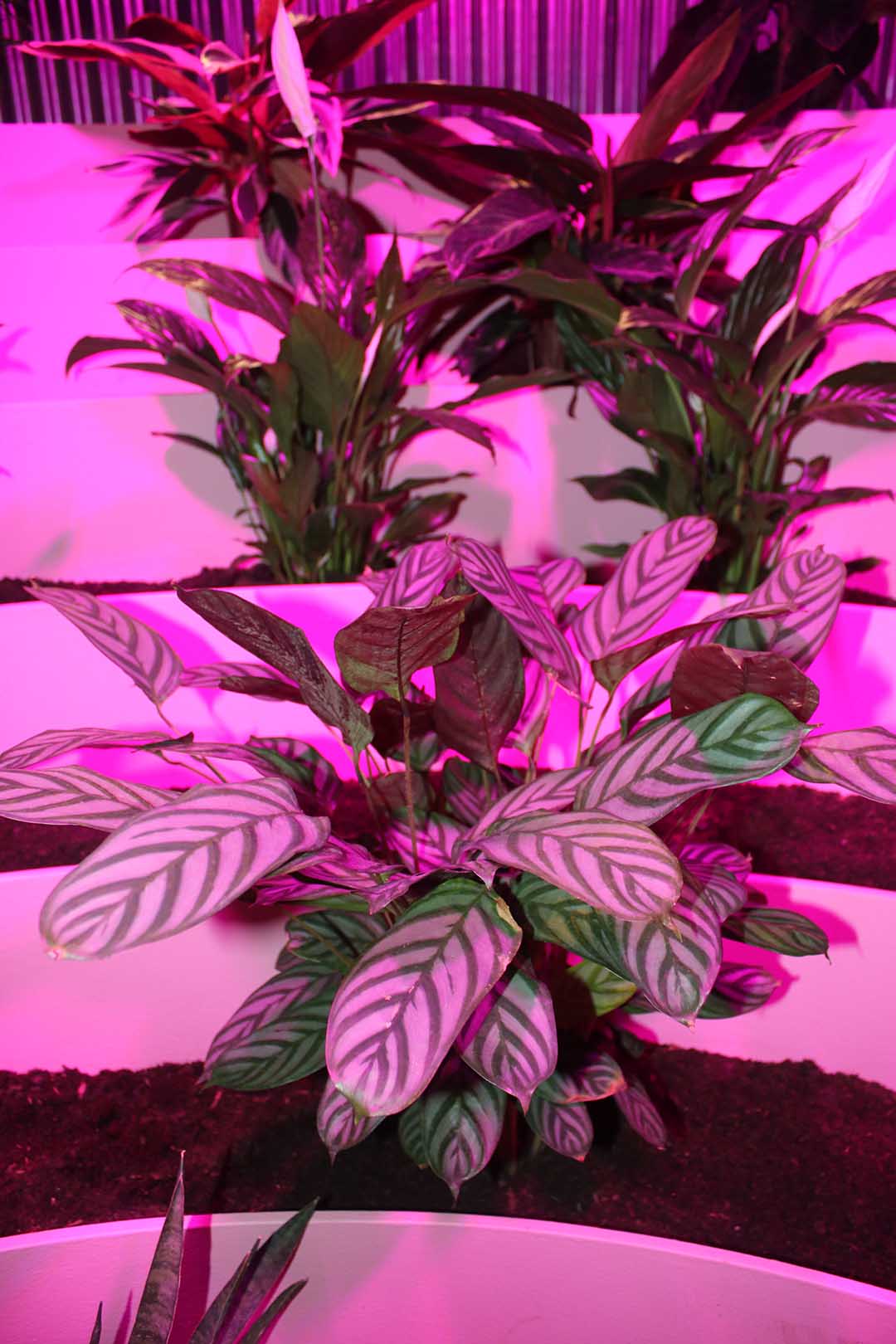
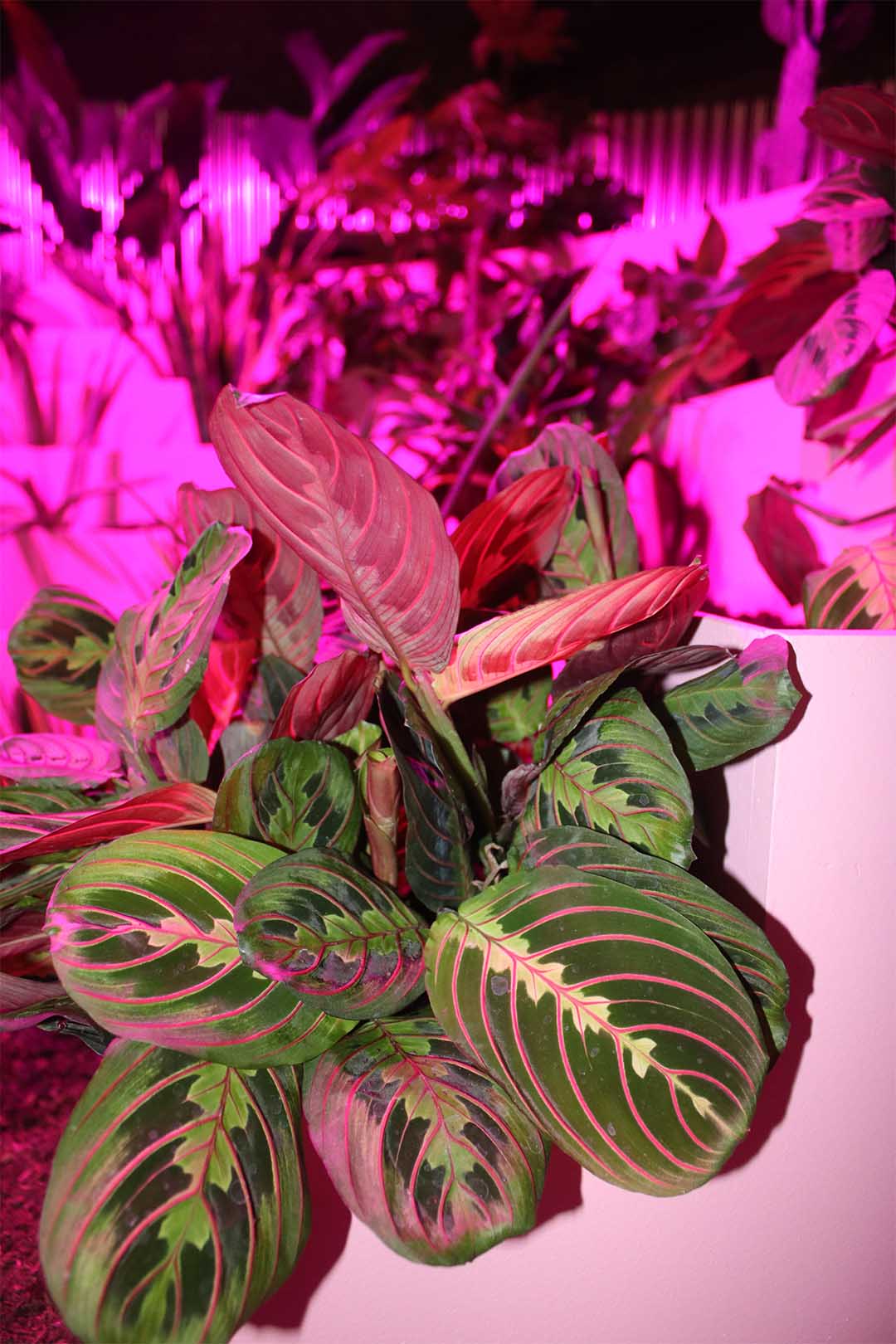
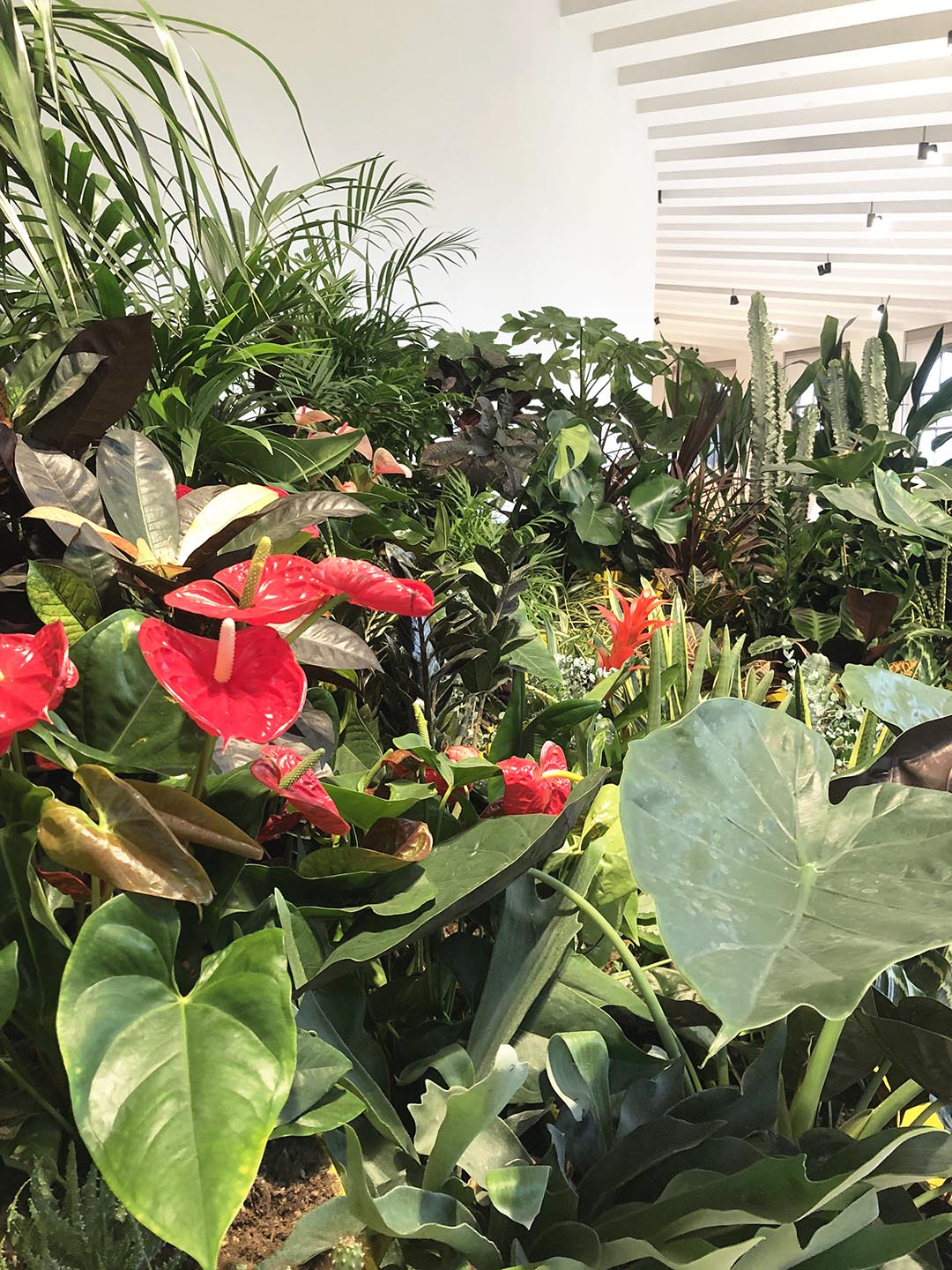
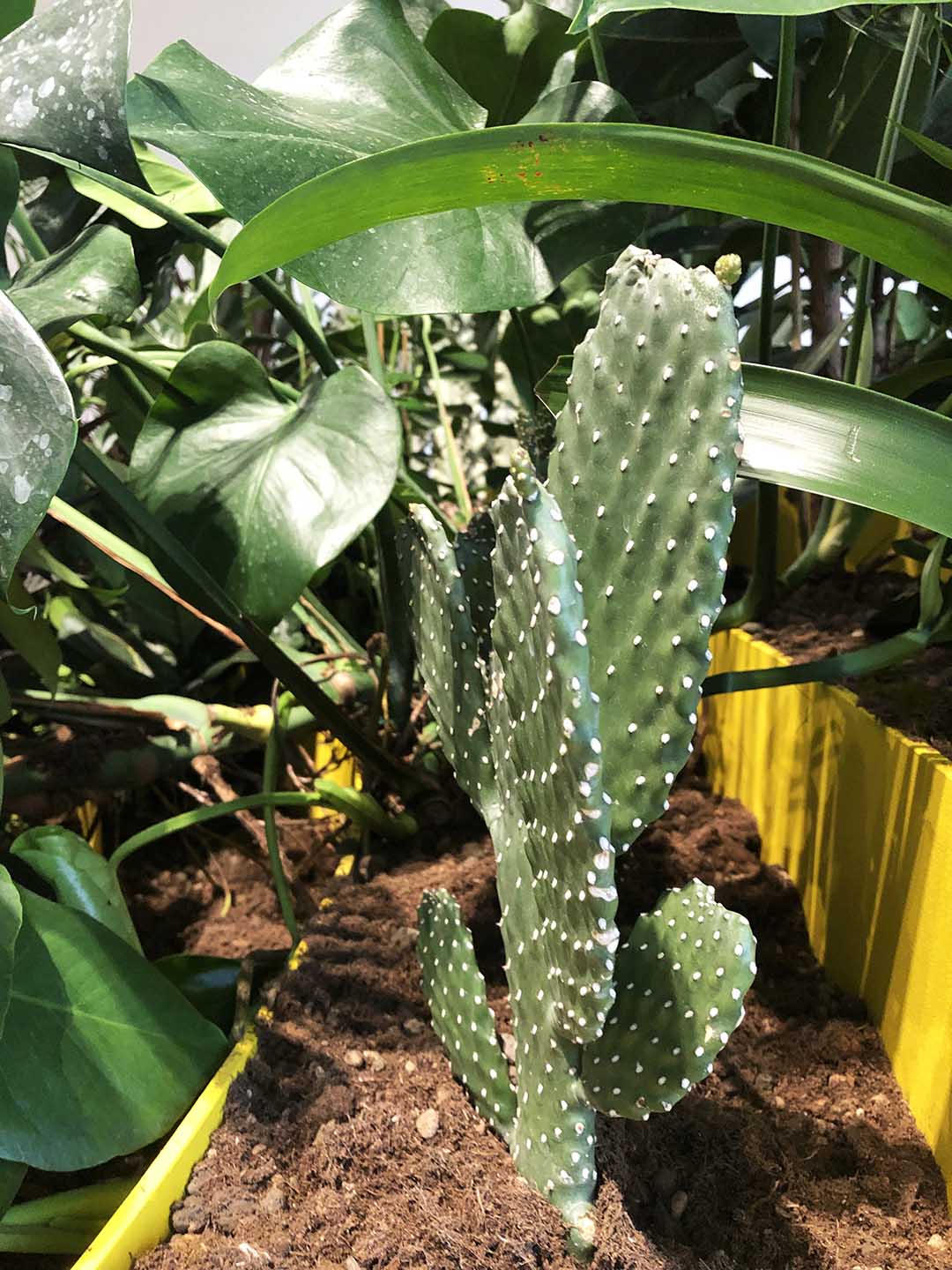
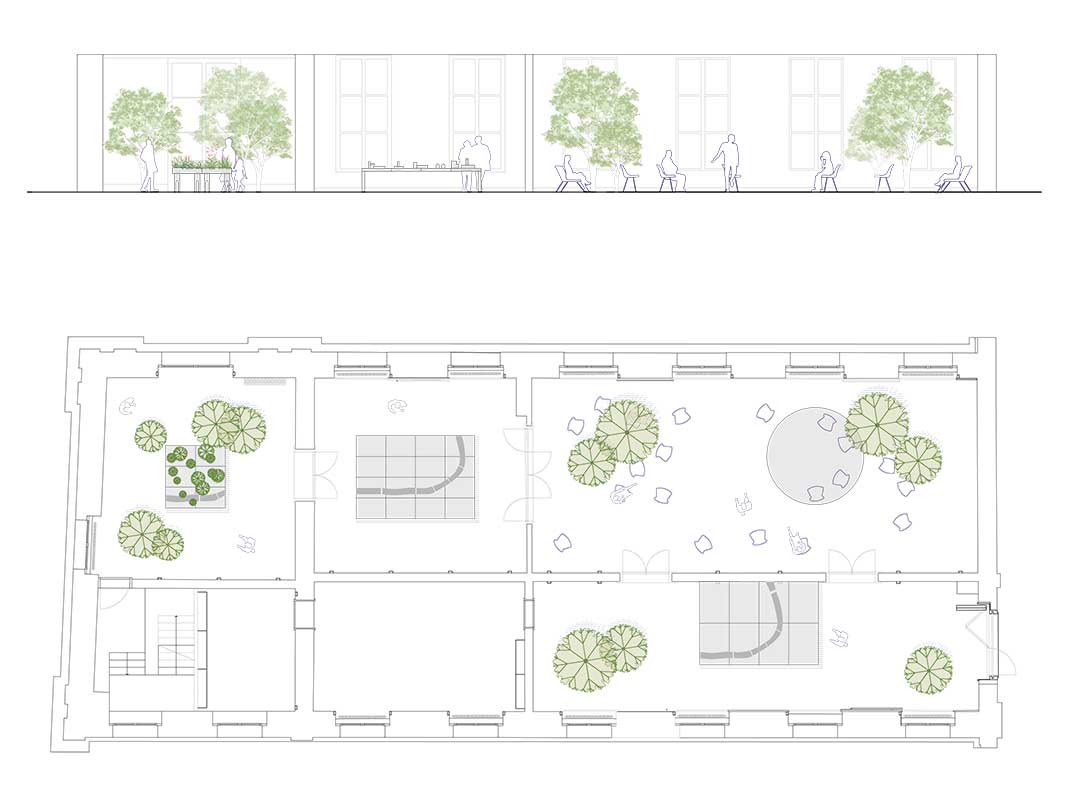
The “home sweet home,” at once intimate and universal, is the space of everyday life. An architectural space that represents the possibility of re-establishing a direct link between our most authentic needs and the environments to be designed. A space that also represents the relationship between home and work, male and female, production and reproduction, public and private. Building on the history of the Triennale di Milano and its international exhibitions, the show reaches into the contemporary, with the reconstruction of site-specific environments and installations by international architectural firms, groups and research centers in dialogue with thematic historical sections. From the transformation of gender roles to the evolution of the relationship with nature within the domestic space to the influence of technology on the way of living, the themes of the projects on display generate an open reflection on the idea of home and the inhabitants of a place whose experimentations are capable of conveying new languages, new ethical aspirations and new programs for architecture. Many of the ornamental plant species with which we share the domestic space, taking care of them daily without wondering too much about their origin, were imported to Europe from exotic climes, generating what Céline Baumann defines as a “cognitive dissonance between the decorative aspect of potted plants and a brutal colonial history”. In the installation The Houseplants Parliament created for the exhibition Home Sweet Home, the artist and landscape architect sheds light on the origins of those species and the journeys they have had to make to intertwine with our lives. This small yet invaluable collection of stories will prove useful for at least two reasons. On the one hand, it will help us to better understand that our way of relating to nature has profound political and ecological implications, even when we are at home. On the other it will make clear, yet again, that the notion of “home sweet home” is a cover, and has been for centuries, for much bitterness and countless daily abuses: expressions of the habitual domination of one gender over another and of one species over others, which today are no longer sustainable.

Photography: Melania Dalle Grave / Triennale Milano

→ Flowers of Evil publication

El Congreso de las plantas

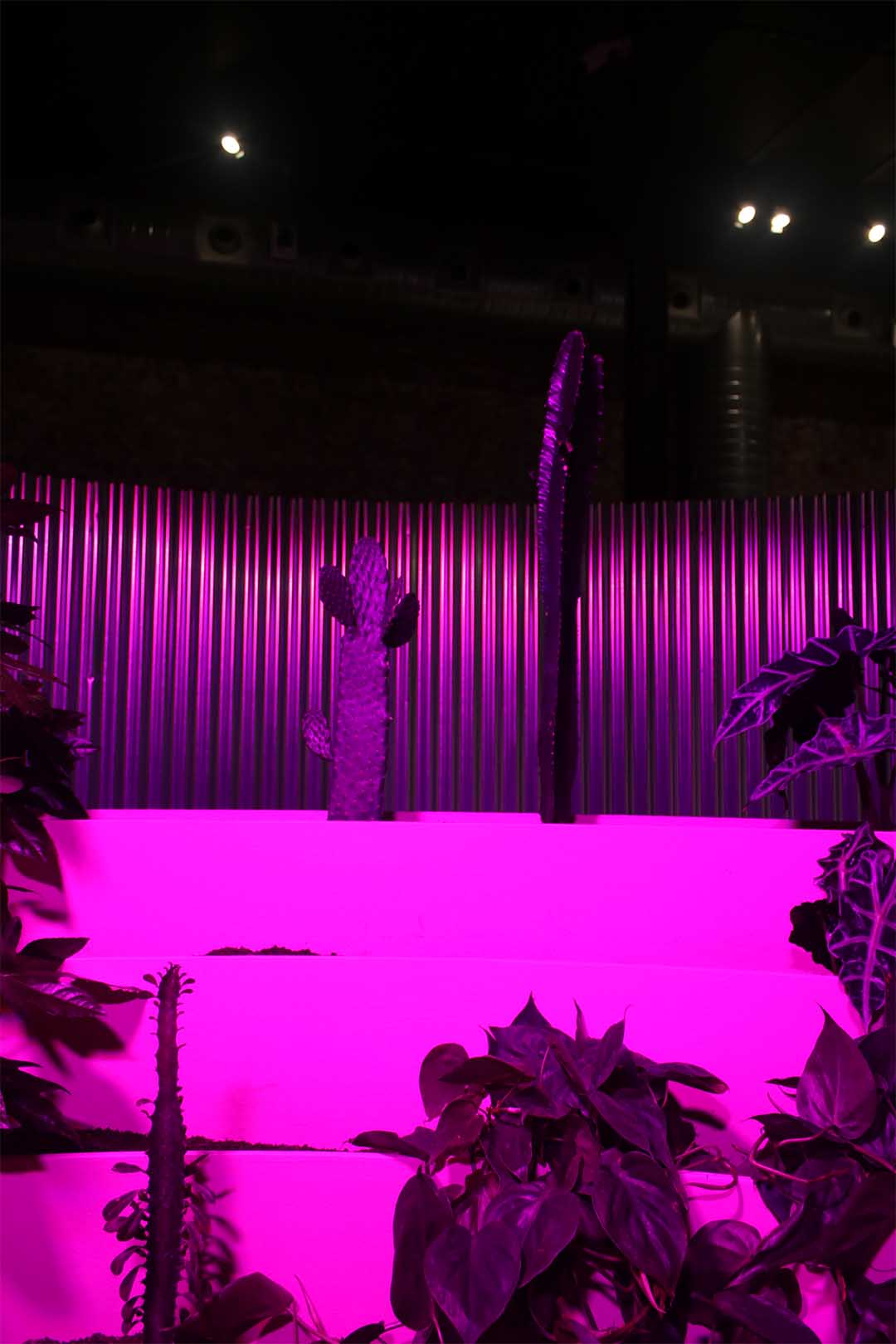
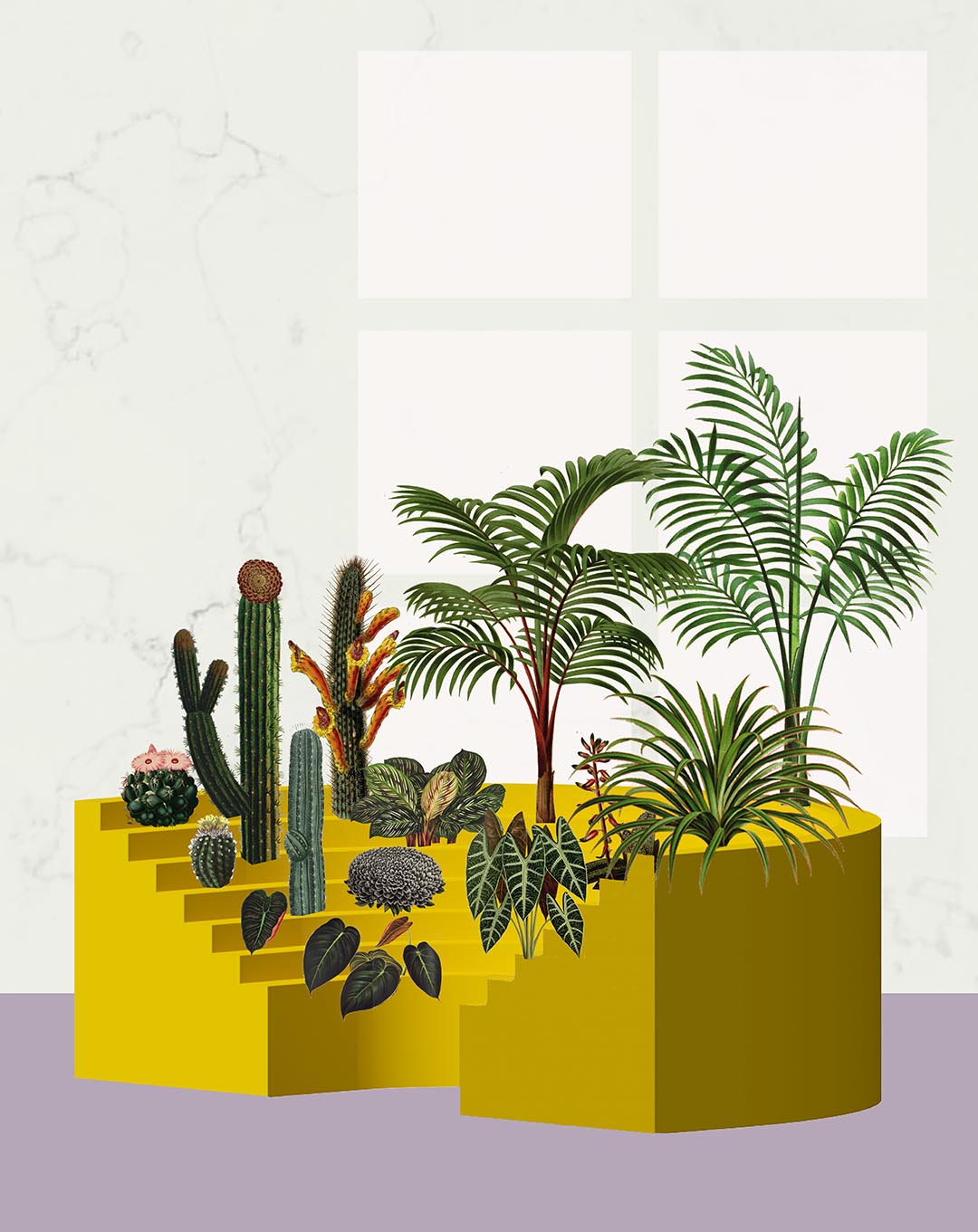
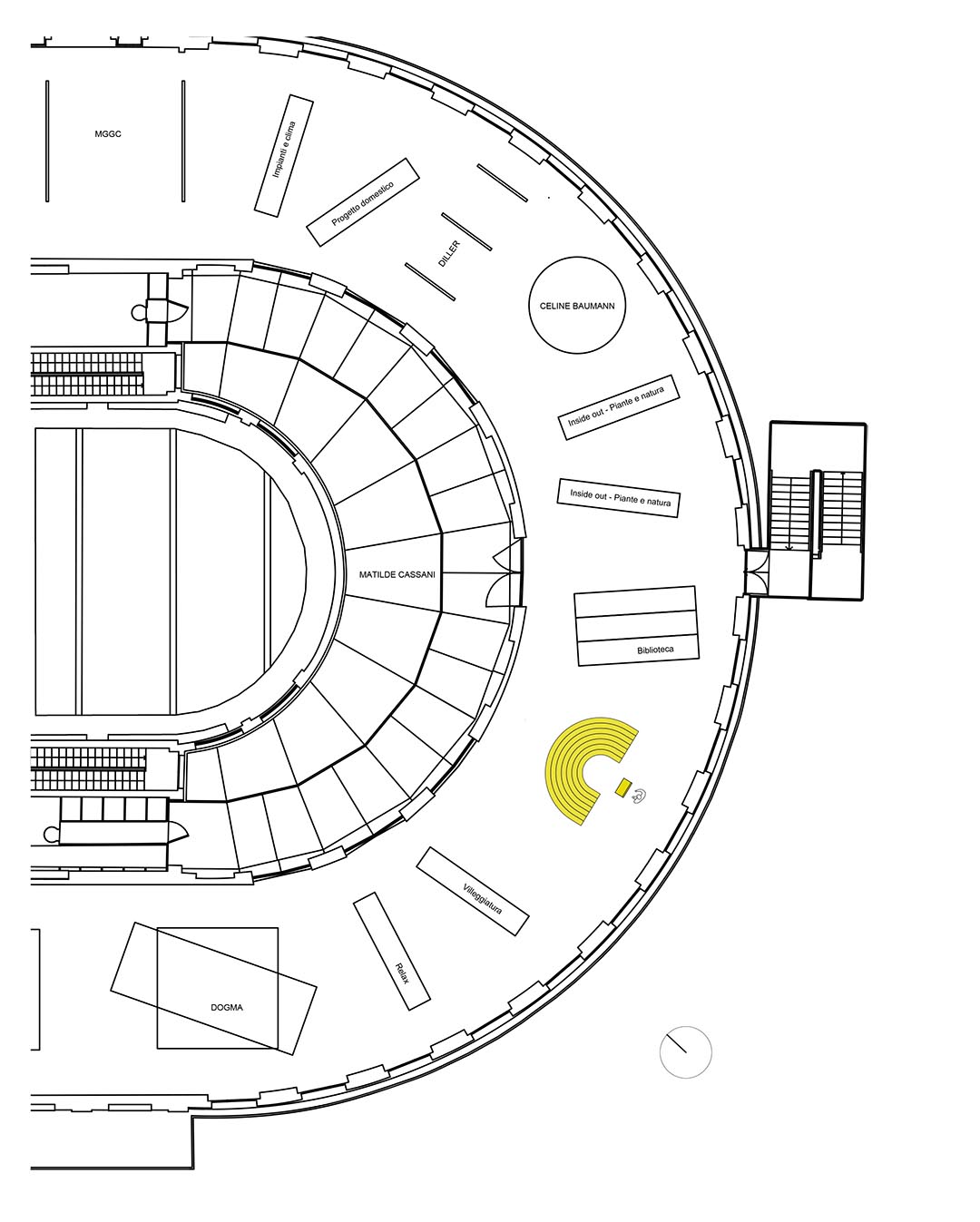
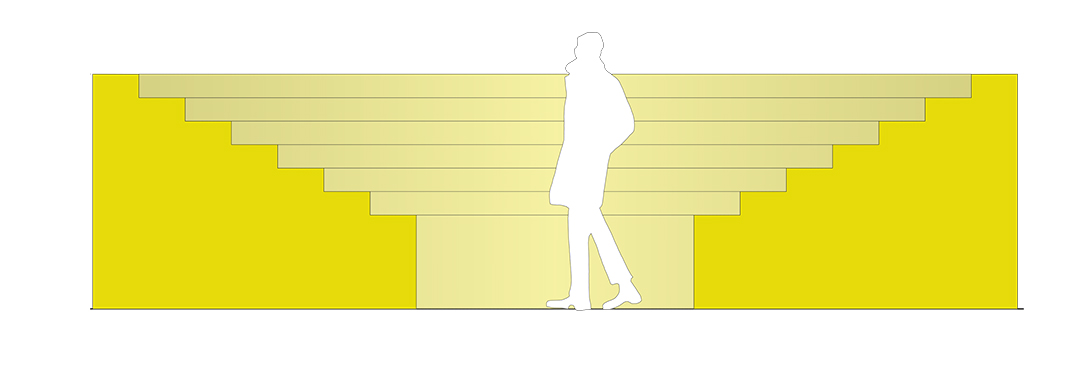
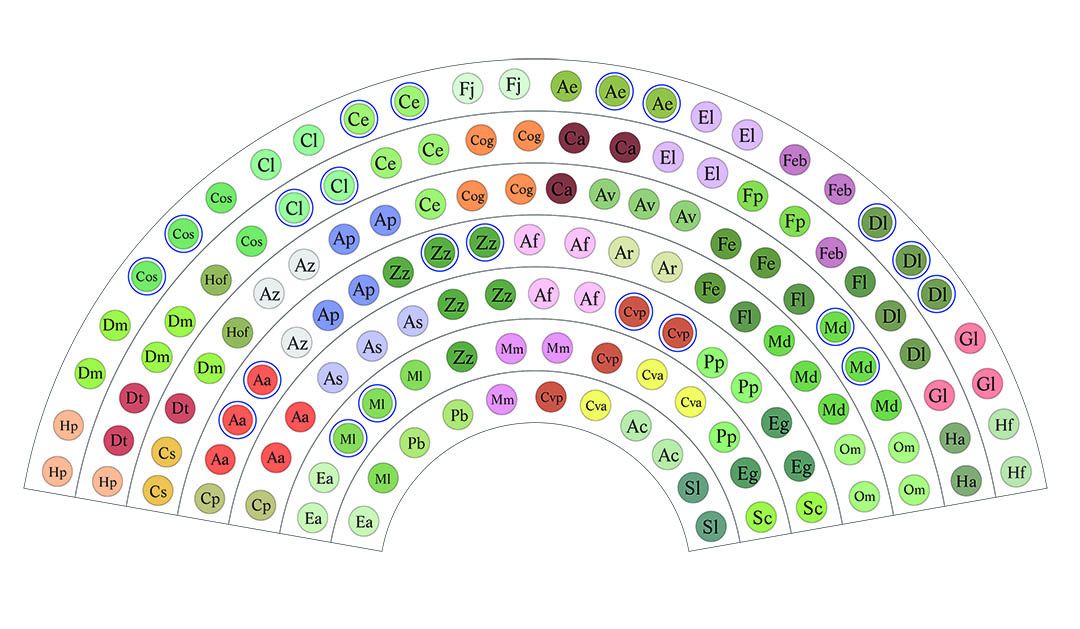
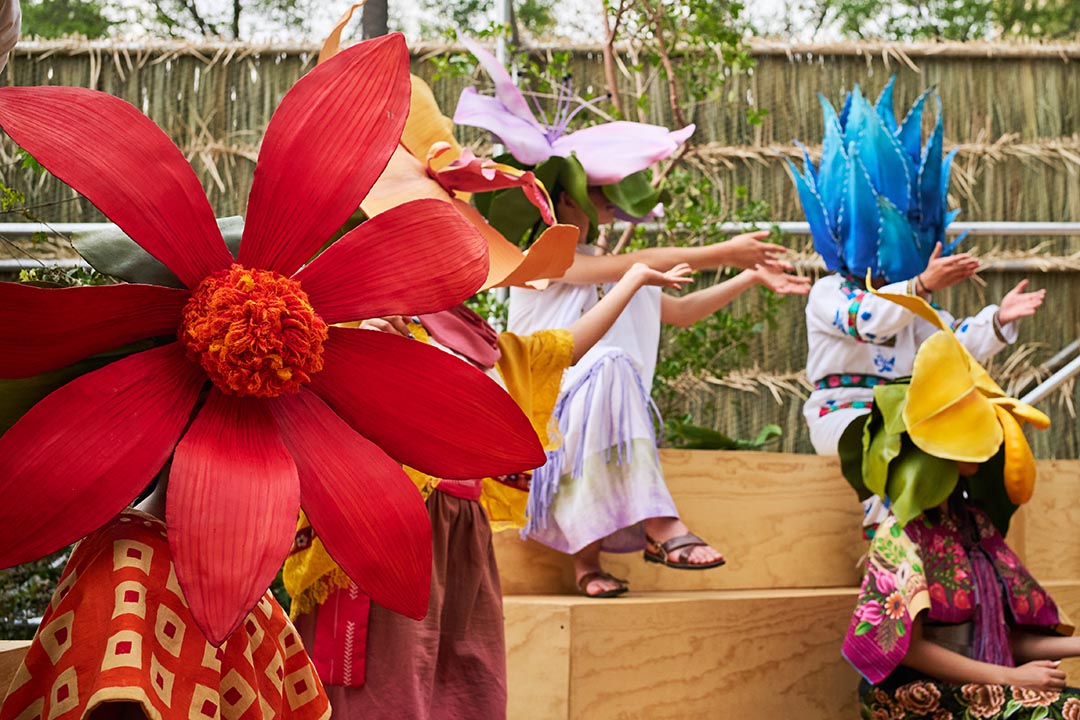
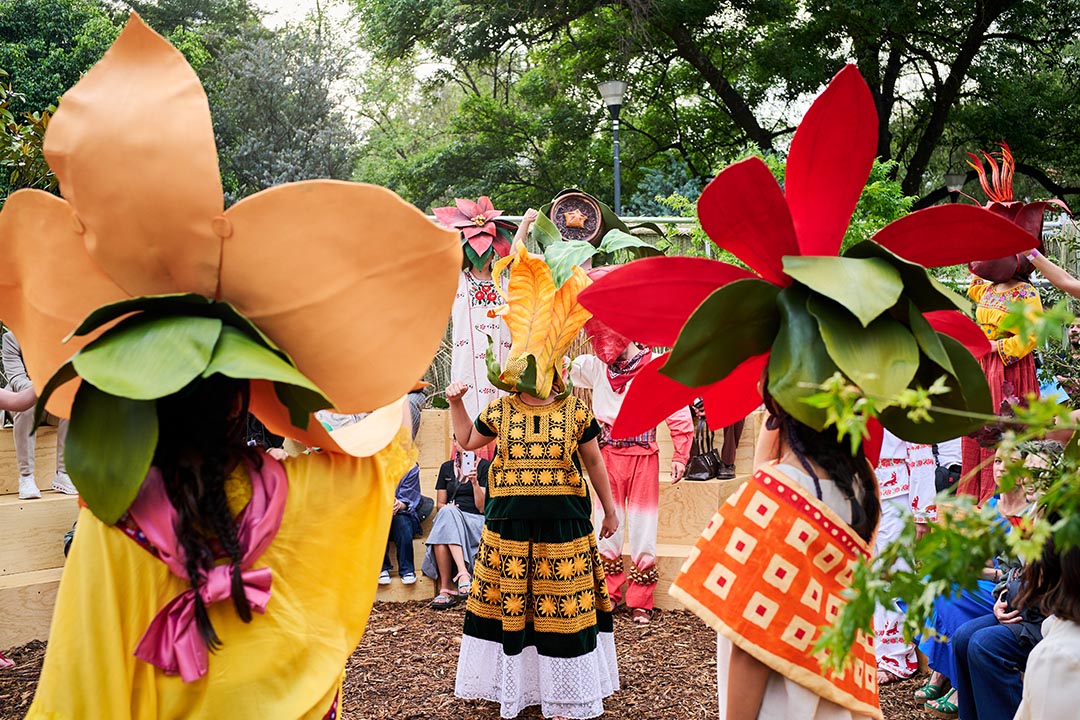
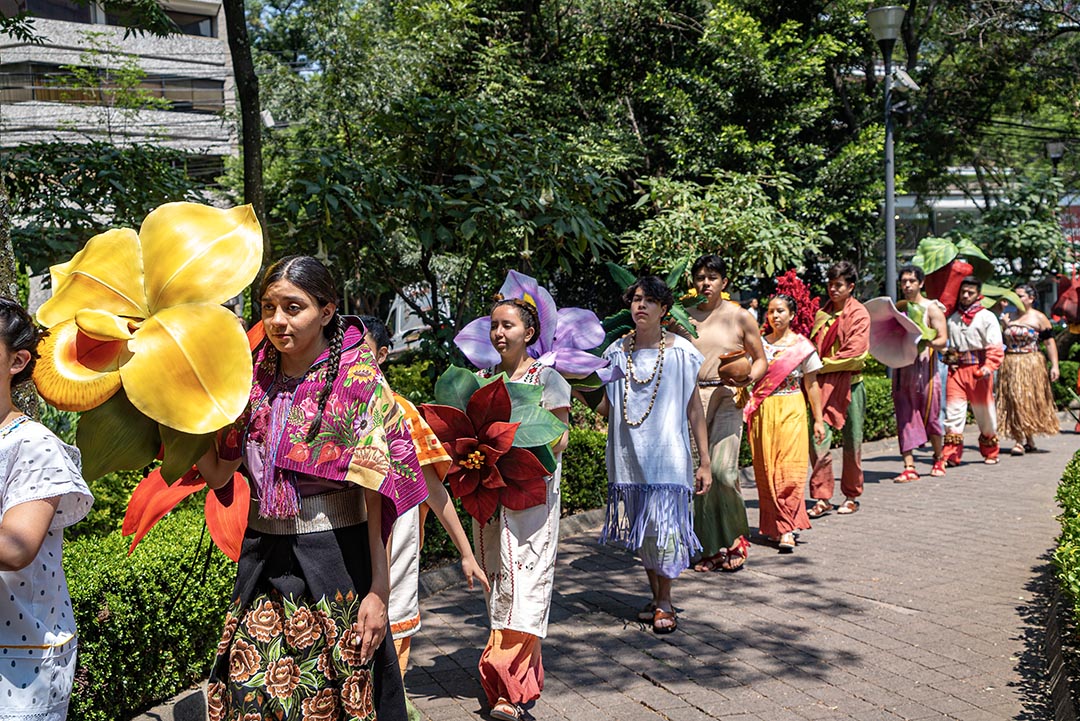
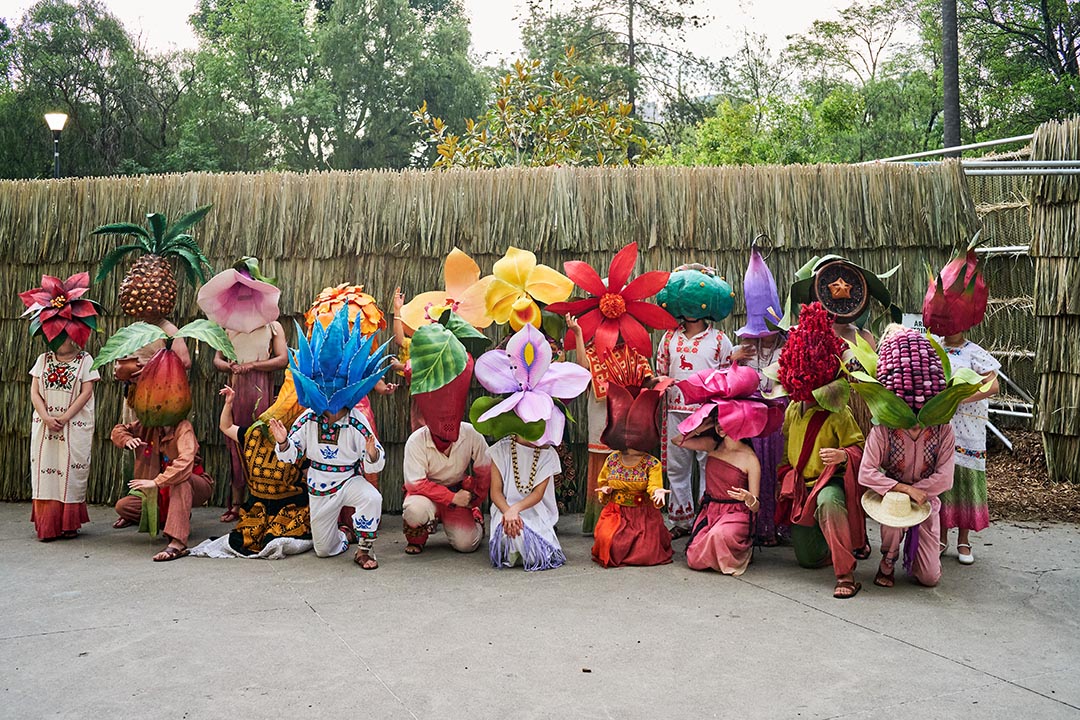
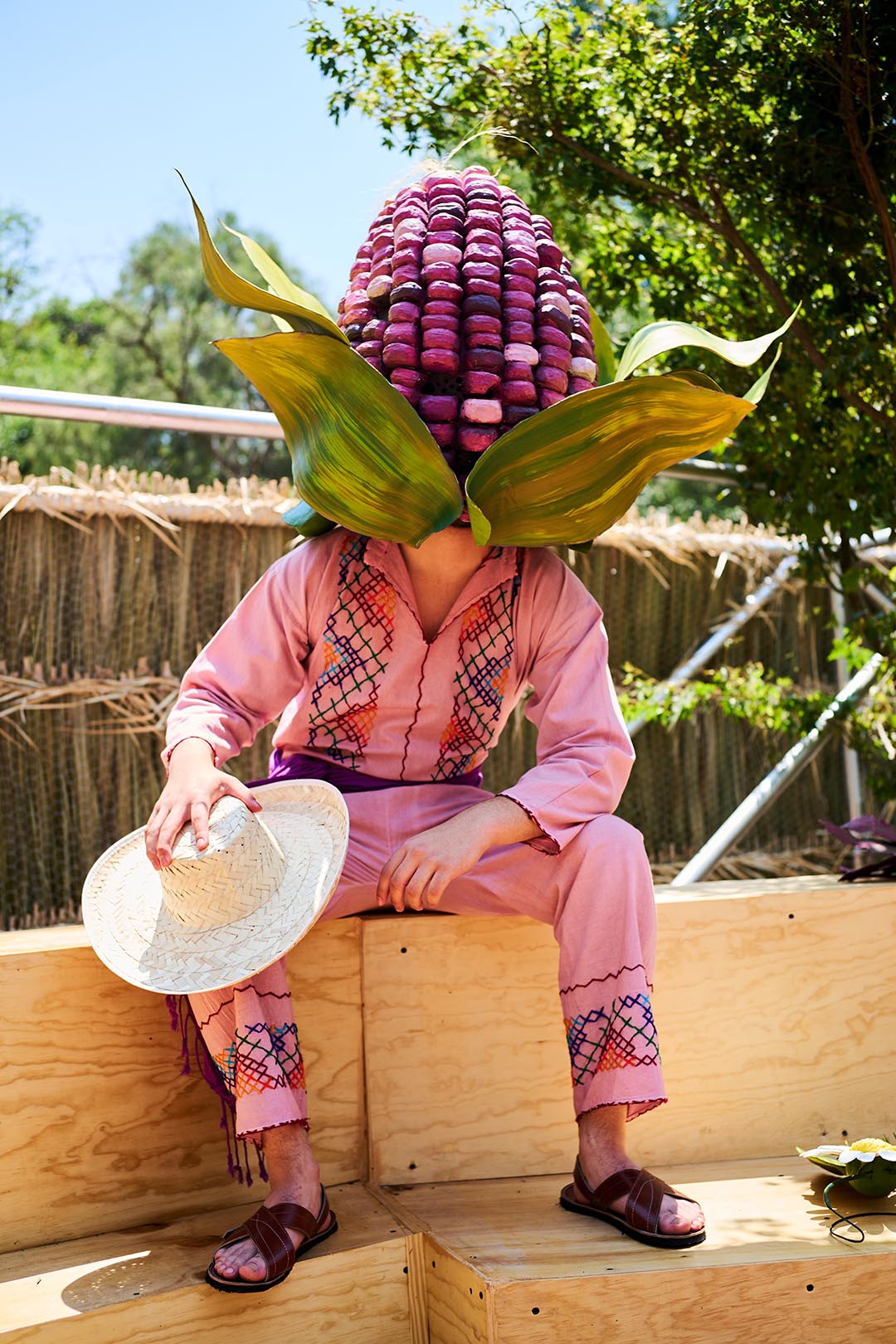
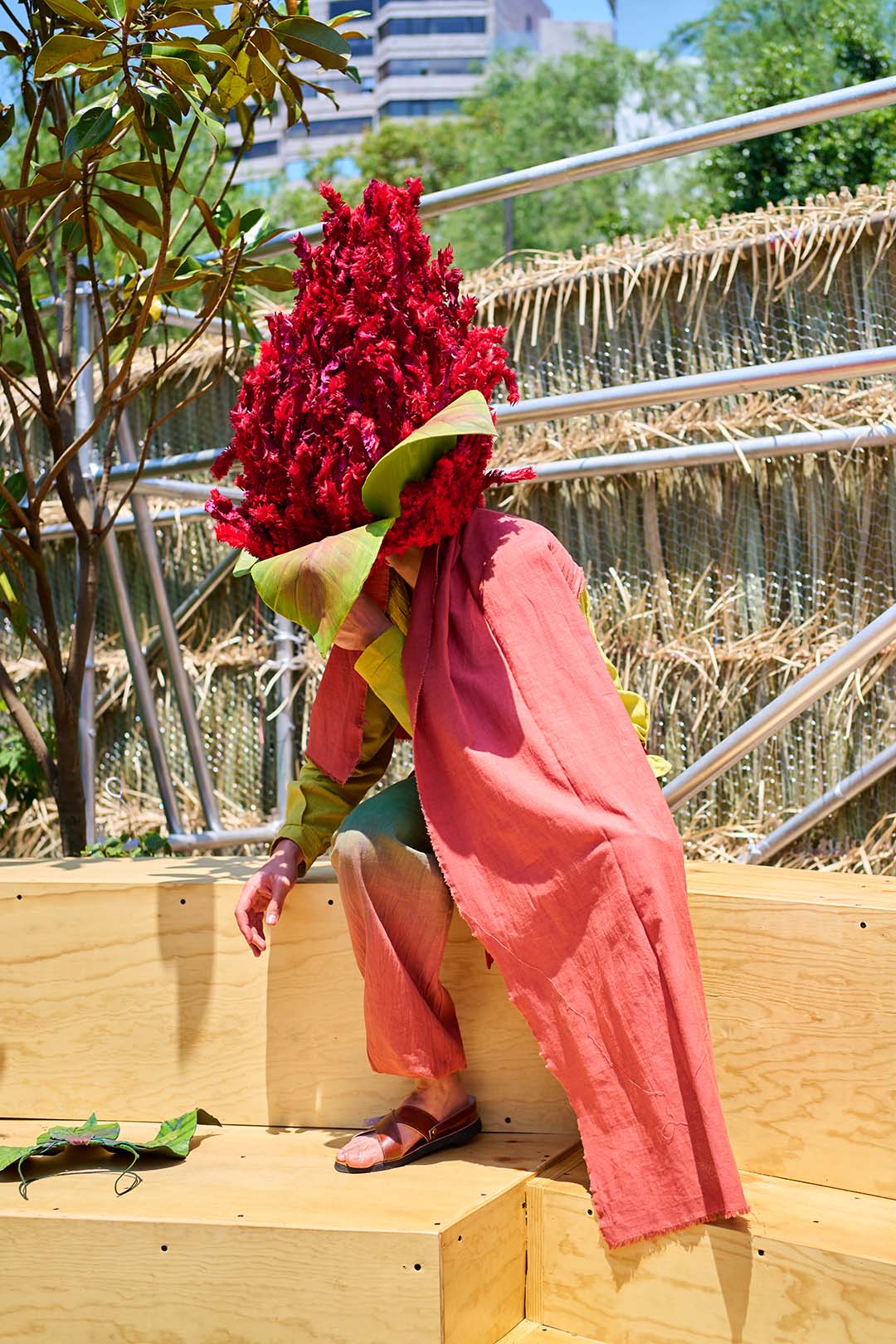
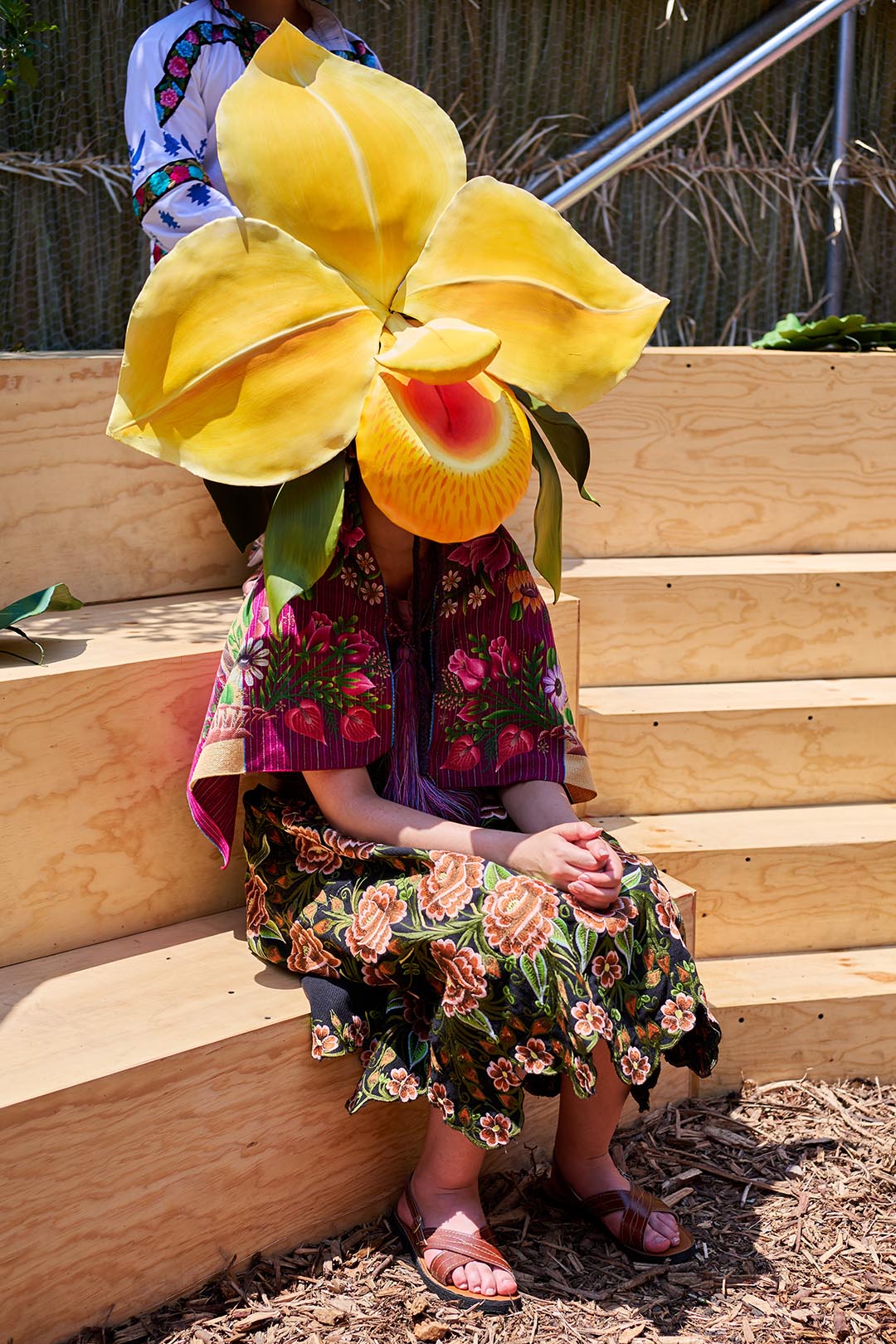
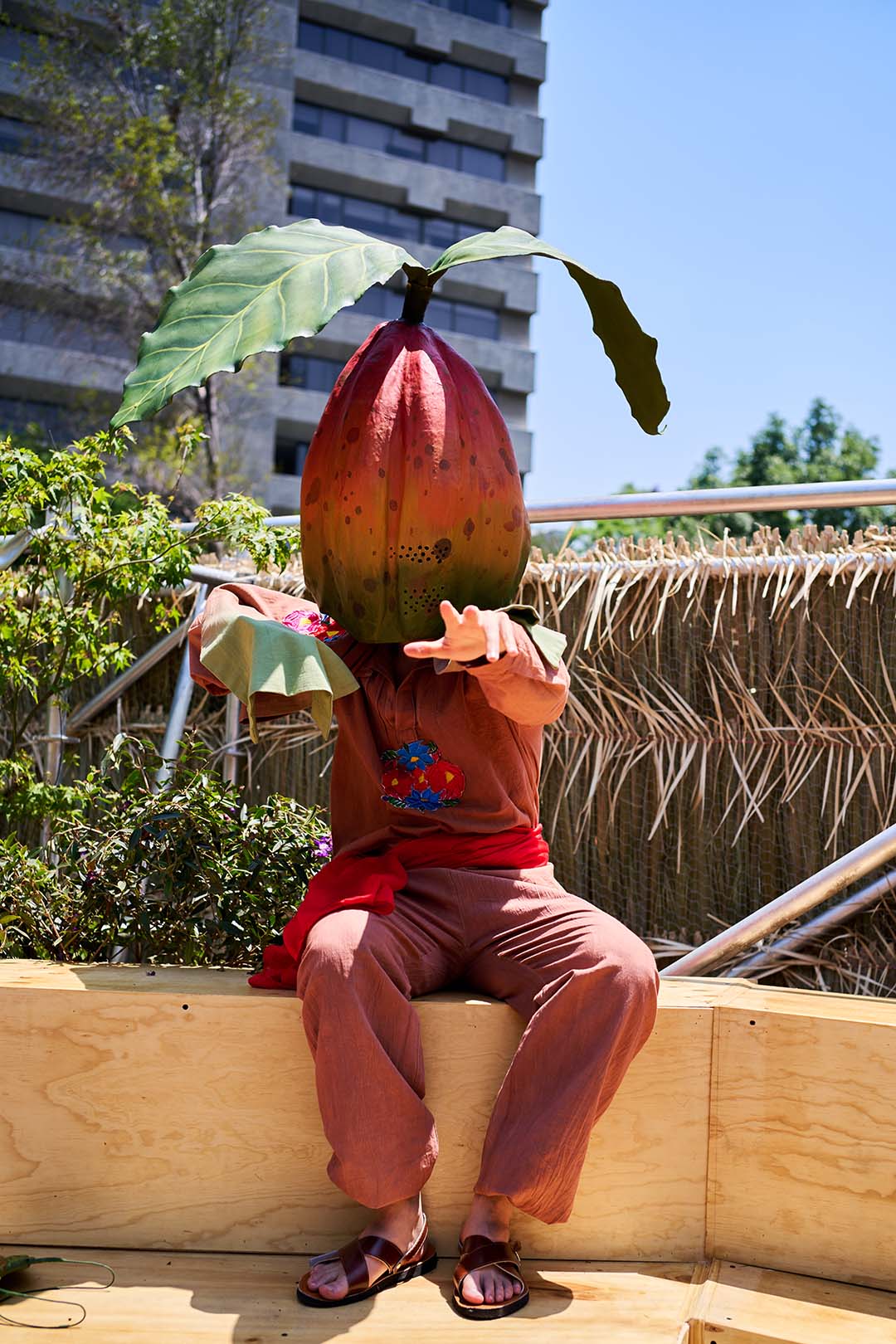
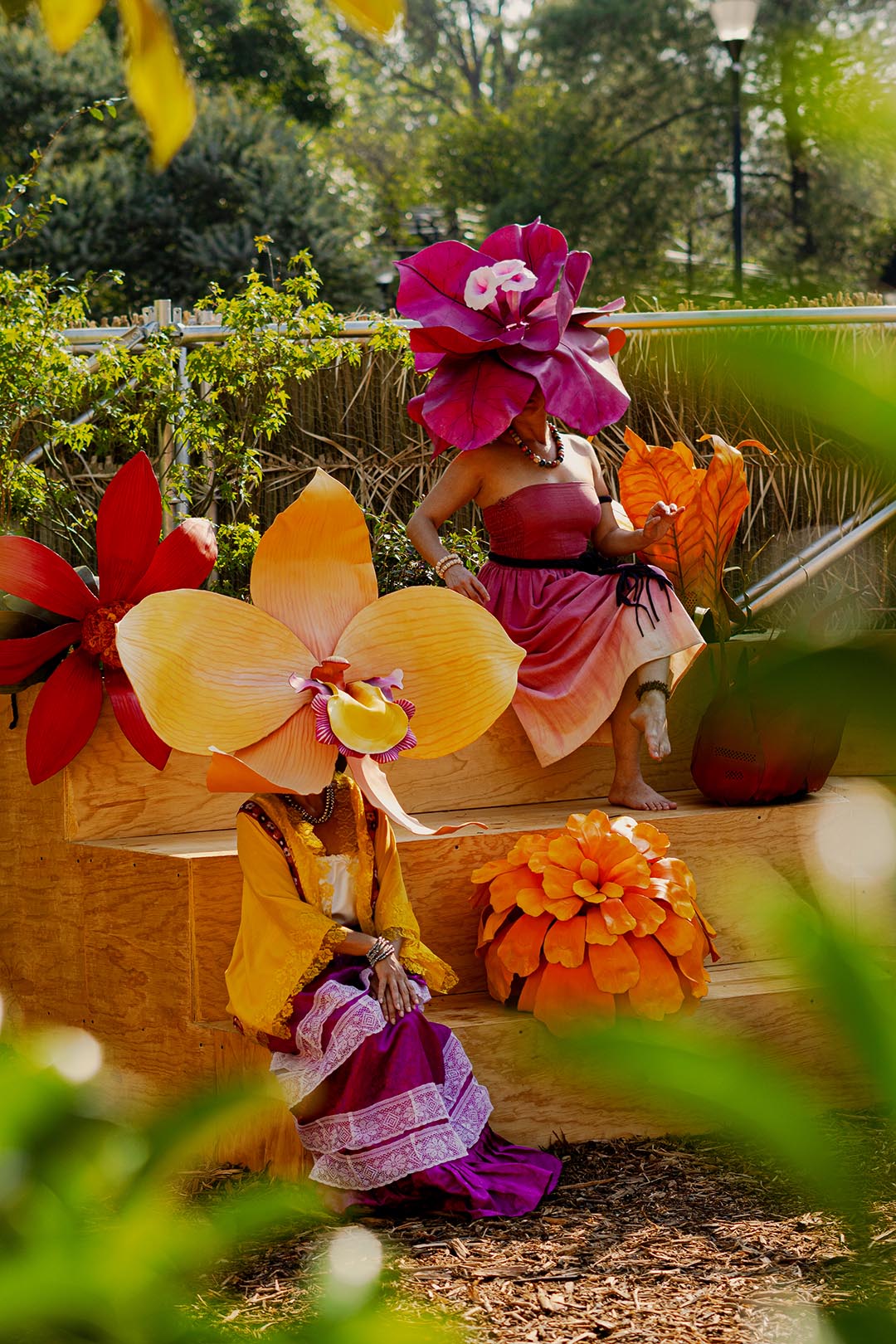
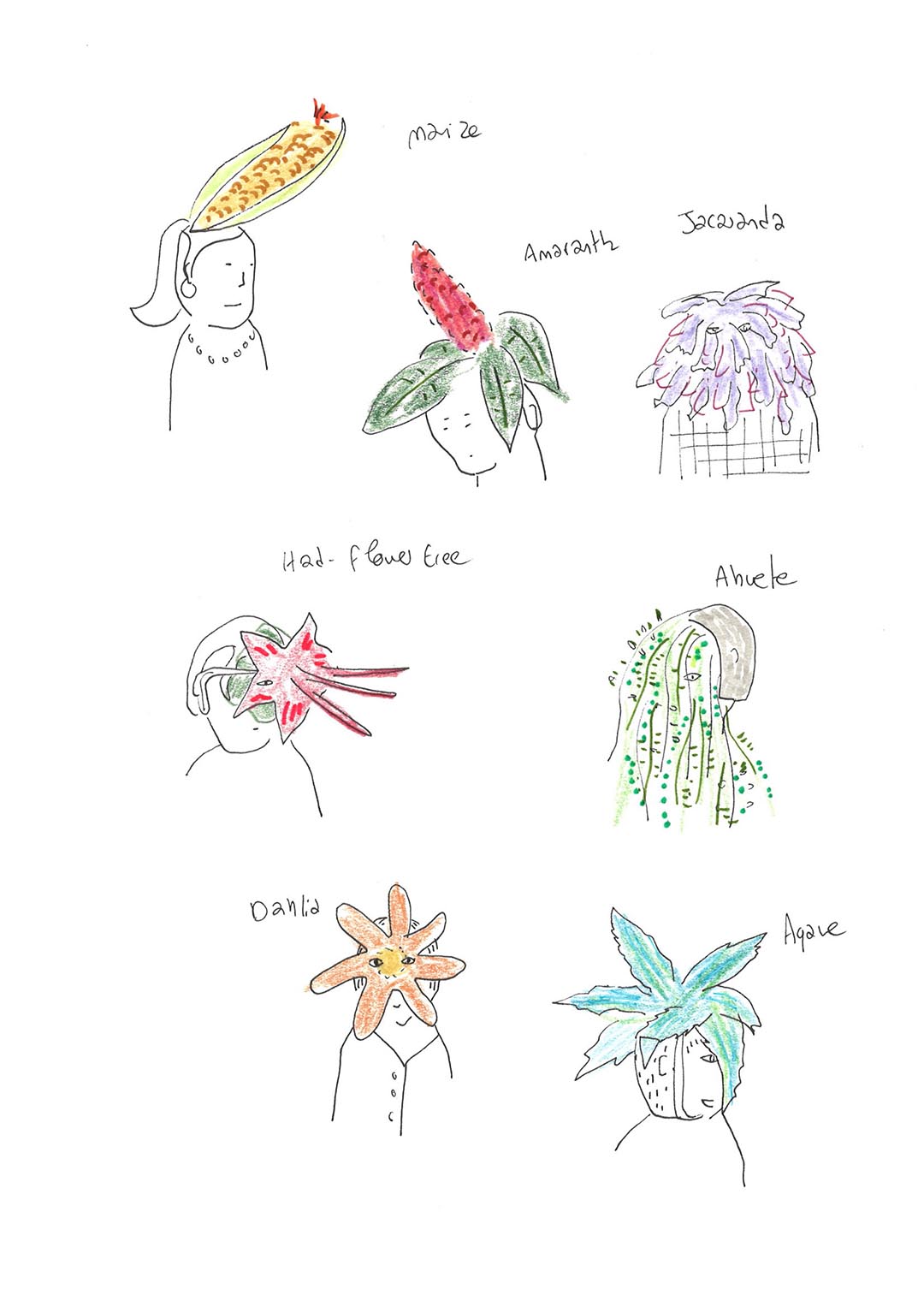
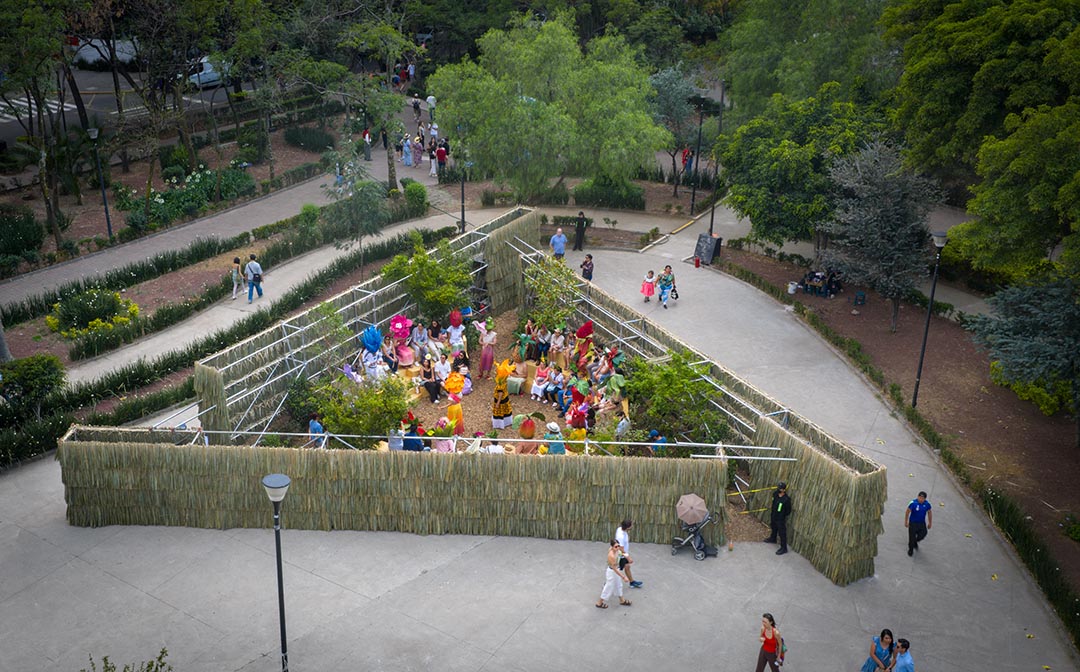
EN  What if plants had a voice? El Congreso de las Plantas is a performative installation created for FYJA 2026, based on the work of Céline Baumann, landscape architect invited by the festival. Her project The Parliament of Plants, which proposes giving a voice to the plant world, serves as the starting point for this adaptation in the Mexican context. It is presented as a performative experience in which different species come together to debate from a plant perspective. The public is invited to enter this space, observe, listen, and participate as part of this congress. Mexican flora is extraordinarily diverse, ranging from arid deserts with cacti to tropical forests and evergreen high-mountain ecosystems. It includes a large number of endemic species that exist nowhere else in the world. Many plants native to Mexico have spread across the globe and are now essential to food culture, including maize, vanilla, cacao, chili peppers, and sweet potatoes. Others remain less well known outside the country, such as manita, whose flowers are used in medicinal infusions, or cempasúchil, which is used in offerings, rituals, and as a natural pigment. Some of these plants carry the weight of colonial history in their names. The dahlia, originally known as acocoxóchitl in Nahuatl, was later renamed in honor of the Swedish botanist Andreas Dahl, thereby erasing part of its cultural significance.At the same time, other plants that are now part of everyday life in Mexico originate from distant territories, such as the jacaranda and bougainvillea from South America, or eucalyptus from Australia. The project presents a scaled-down recreation of the Mexican Congress of the Union, where plants from different ecosystems across the country and around the world take part instead of people. In this space, species such as peyote, agave, maize, jacaranda, and eucalyptus debate issues including water, crop protection, and coexistence among species.

ES  ¿Y si las plantas tuvieran voz? El Congreso de las Plantas es una puesta en escena creada para FYJA 2026 a partir del trabajo de Céline Baumann, paisajista invitada por el festival. Su proyecto El Parlamento de las Plantas, que propone dar voz al mundo vegetal, sirve como punto de partida para esta adaptación en el contexto mexicano. Se presenta como una experiencia escénica en la que distintas especies se reúnen para debatir desde una perspectiva vegetal. El público está invitado a entrar en este espacio, observar, escuchar y participar como parte de este congreso. La flora mexicana es extraordinariamente diversa, desde desiertos áridos con cactáceas hasta selvas tropicales y ecosistemas siempre verdes de alta montaña. Incluye un gran número de especies endémicas que no existen en ningún otro lugar del mundo.Muchas plantas originarias de México se han extendido por el mundo y hoy forman parte esencial de la alimentación, como el maíz, la vainilla, el cacao, el chile o el camote. Otras permanecen menos conocidas fuera del país, como la manita —cuyas flores se utilizan en infusiones medicinales— o el cempasúchil, empleado en ofrendas, rituales y como pigmento natural. Al mismo tiempo, otras plantas que hoy forman parte de la vida cotidiana en México provienen de territorios lejanos, como la jacaranda y la bugambilia de Sudamérica, o el eucalipto de Australia. El proyecto presenta una recreación a escala del Congreso de la Unión, donde, en lugar de personas, participan plantas provenientes de distintos ecosistemas del país y del mundo. En este espacio, especies como el peyote, el agave, el maíz, la jacaranda o el eucalipto debaten temas como el agua, la protección de cultivos y la convivencia entre especies.

Photography: FYJA 2026
 

Trial of Invasives

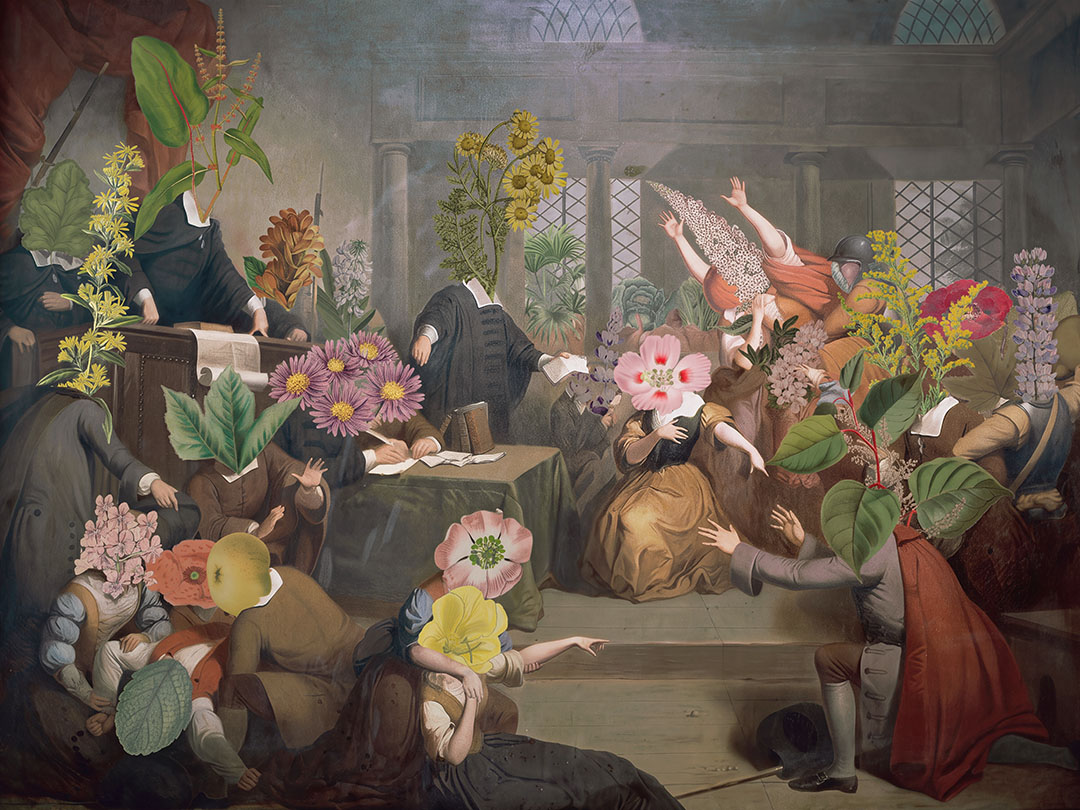
The depicted courtroom scene is rather chaotic: a pink evening primrose (Oenothera speciosa) accuses a Japanese knotweed (Reynoutria japonica) of invasion. Summer lilac (Buddleja davidii) and Canada goldenrod (Solidago canadensis) protest vehemently. On the left of the picture the broad-leaved dock (Rumex obtusifolius) judge and the common ragwort (Jacobaea vulgaris) attorney are both standing in a menacing attitude, while a mint leaf is fainting in the foreground. The crowd in the gallery background, including a Chinese windmill palm (Trachycarpus fortunei), fearfully observes the scene in silence.

Urban flora is flourishing, but this is not regarded positively by everybody: weeds are accused to damage buildings with their roots, other plants are very quickly to propagate thanks to seed dispersal or a highly resistant root network. Some of this spontaneous flora also comes from faraway locations and is labelled as “neophyte” in opposition to the local vegetation which is referred to as “endemic”. A few of those neophyte plants have indeed been very successful to develop in their new human-made habitats and have therefore been labelled as invasive. Nowadays Japanese knotweed is one of the most emblematic invasive neophytes, due to its omnipresence as well as the quasi-indestructibility of its rhizomatic system. But invasion is not a phenomenon reserved to foreign species. Indigenous plants can also become problematic in their own environment, such as the common ragwort which is a common wildflower native to Europe but often unwanted as it can be toxic to cattle and horses, or the broad-leaved dock, a hardy plant that is native to Europe but considered as highly invasive due to abundant seed dispersal, an aggressive root system, and a great adaptation to most climates. There has been in the past some examples of non-human trials, where donkeys and sows have been used as scapegoats of our own human actions. Is something similar happening today with plants?

Digital collage, Céline Baumann, 2025
Based on The Trial of George Jacobs of Salem for Withchraft, painted by Tompkins H. Matteson in 1855.

Terra Incognita

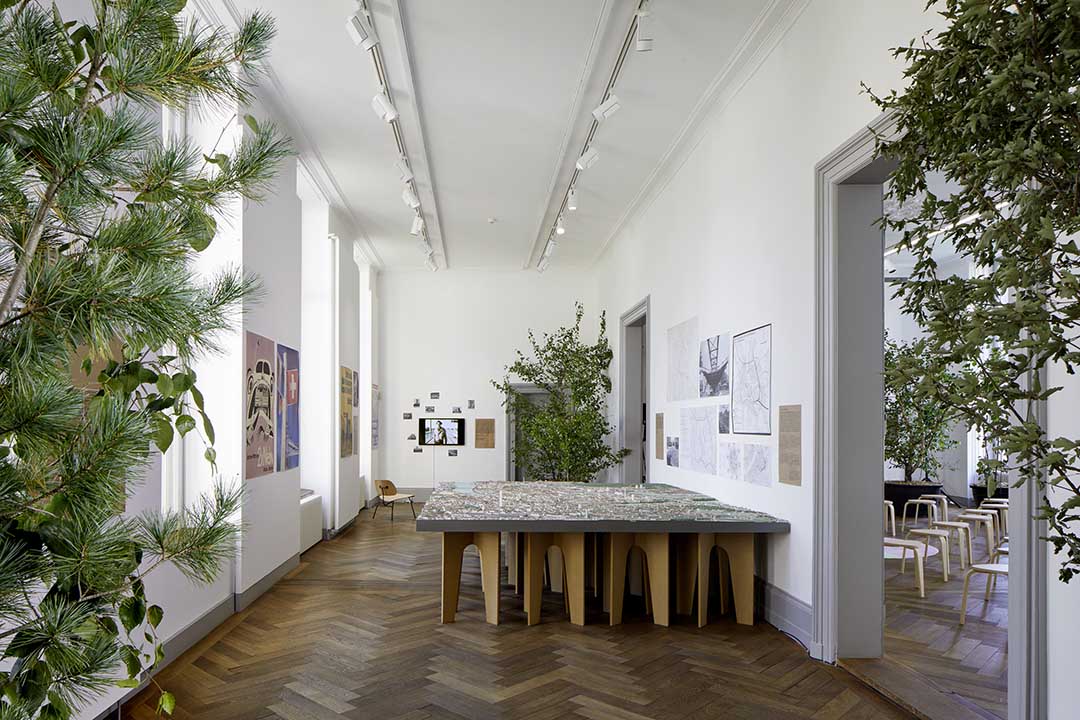
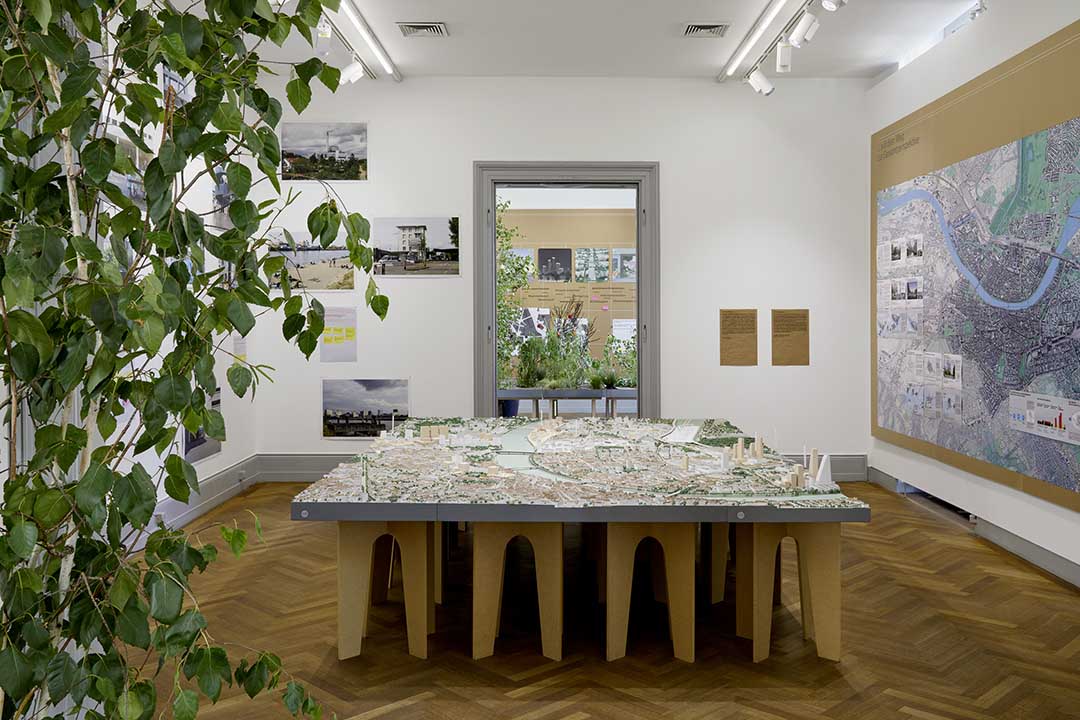
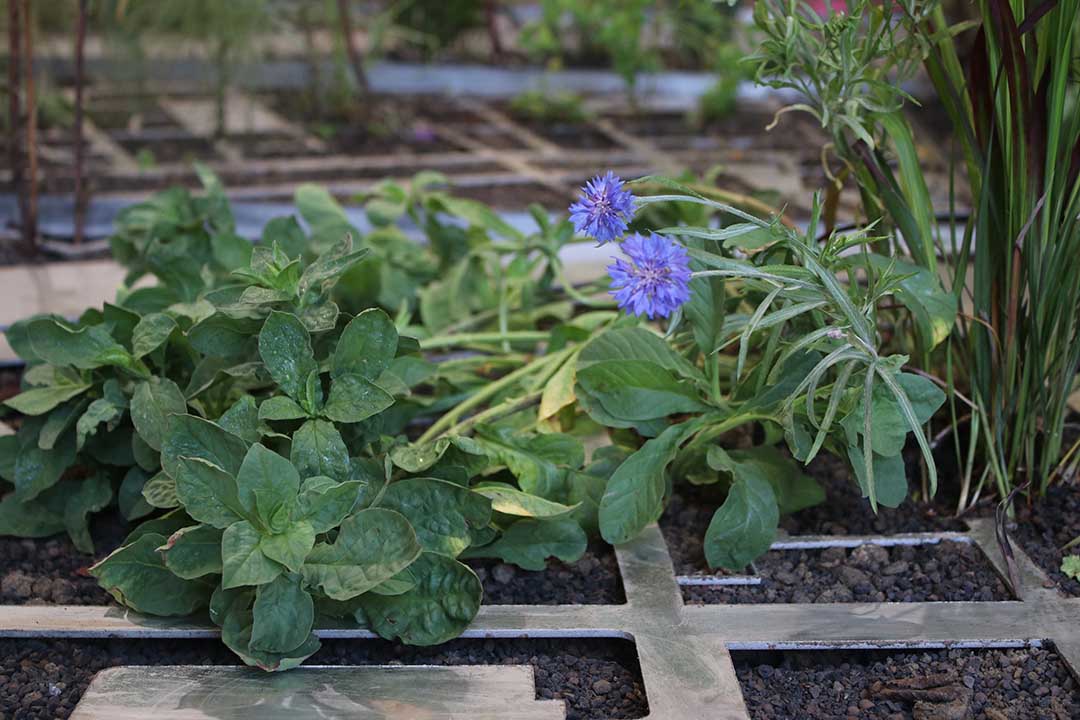
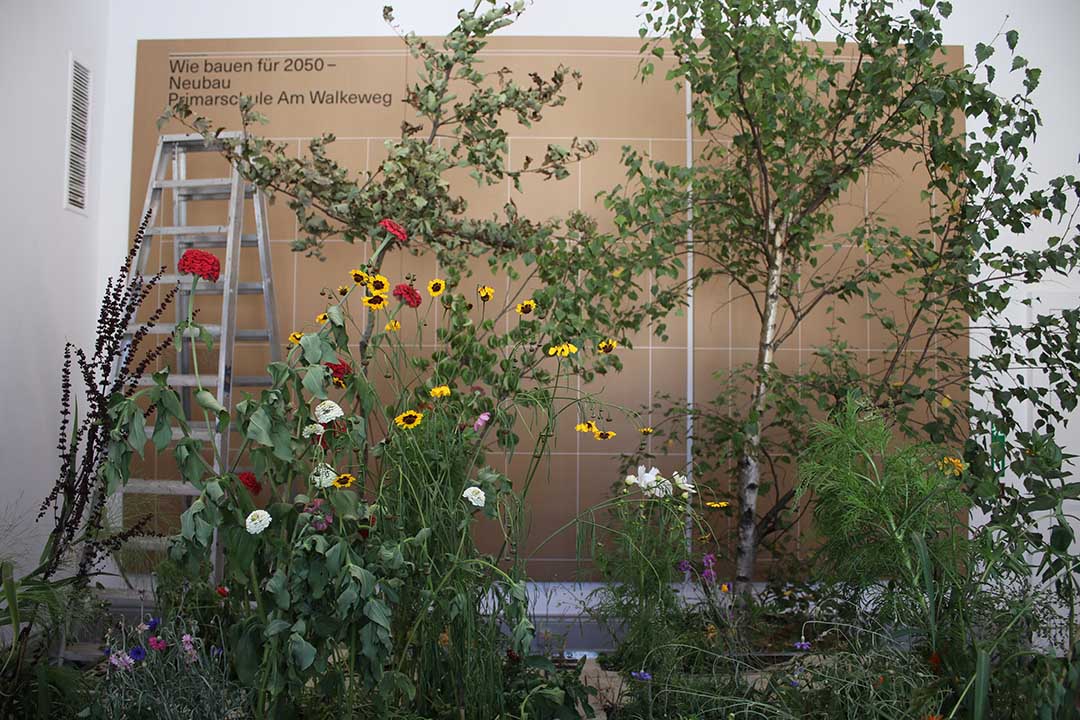
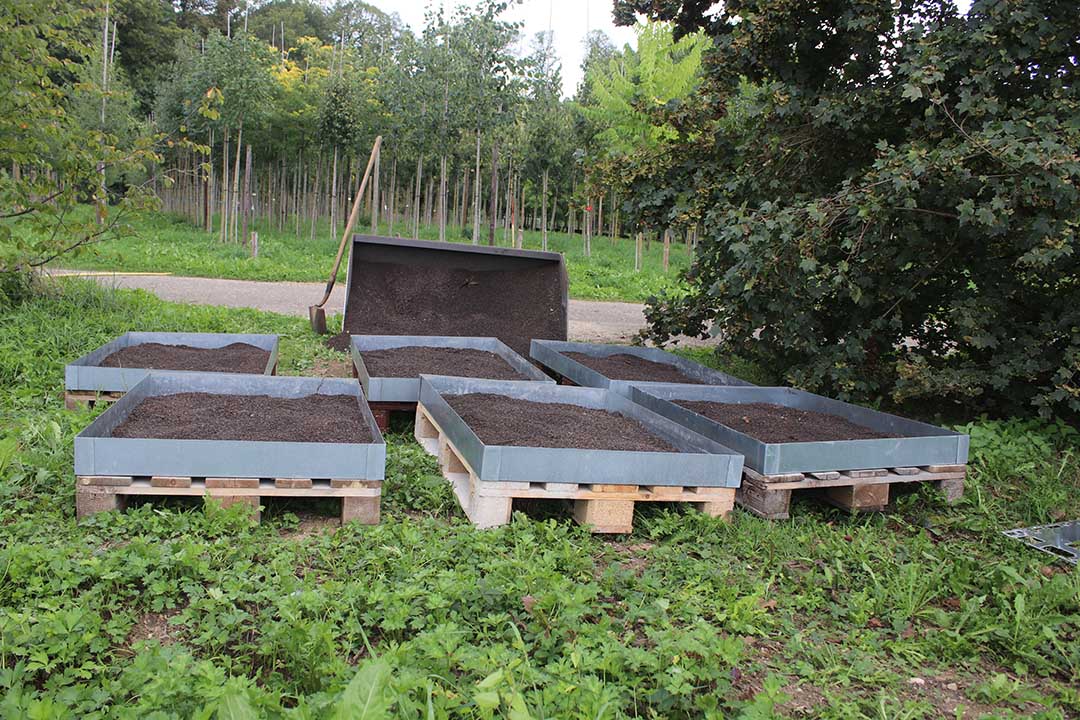
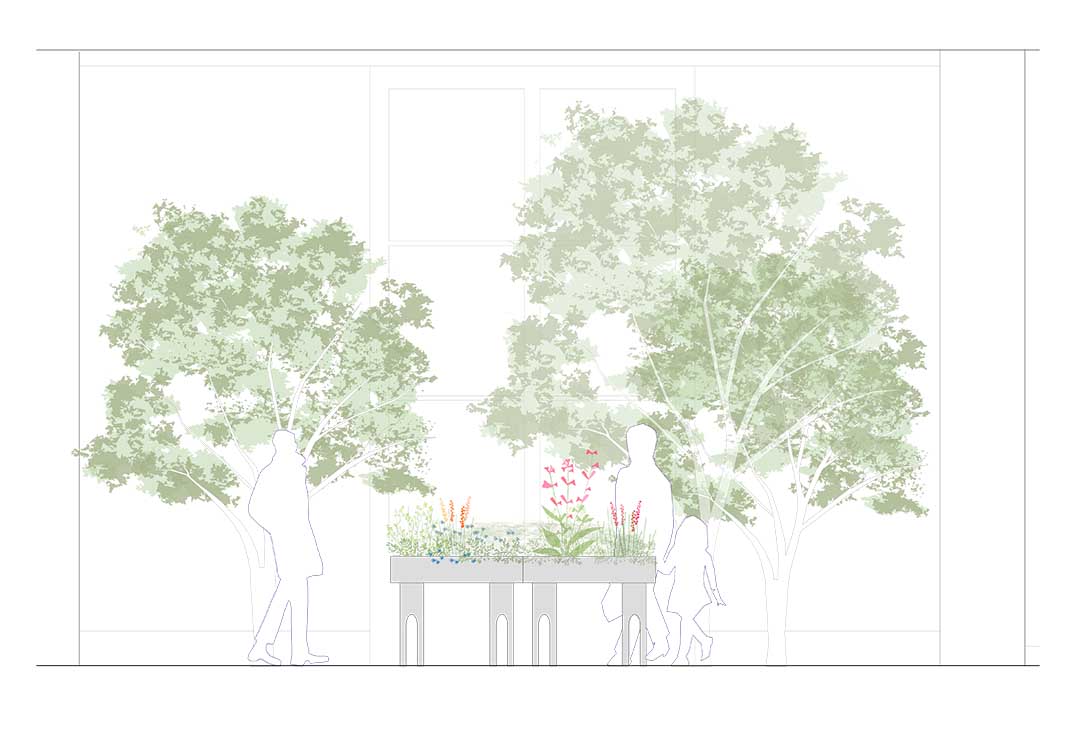
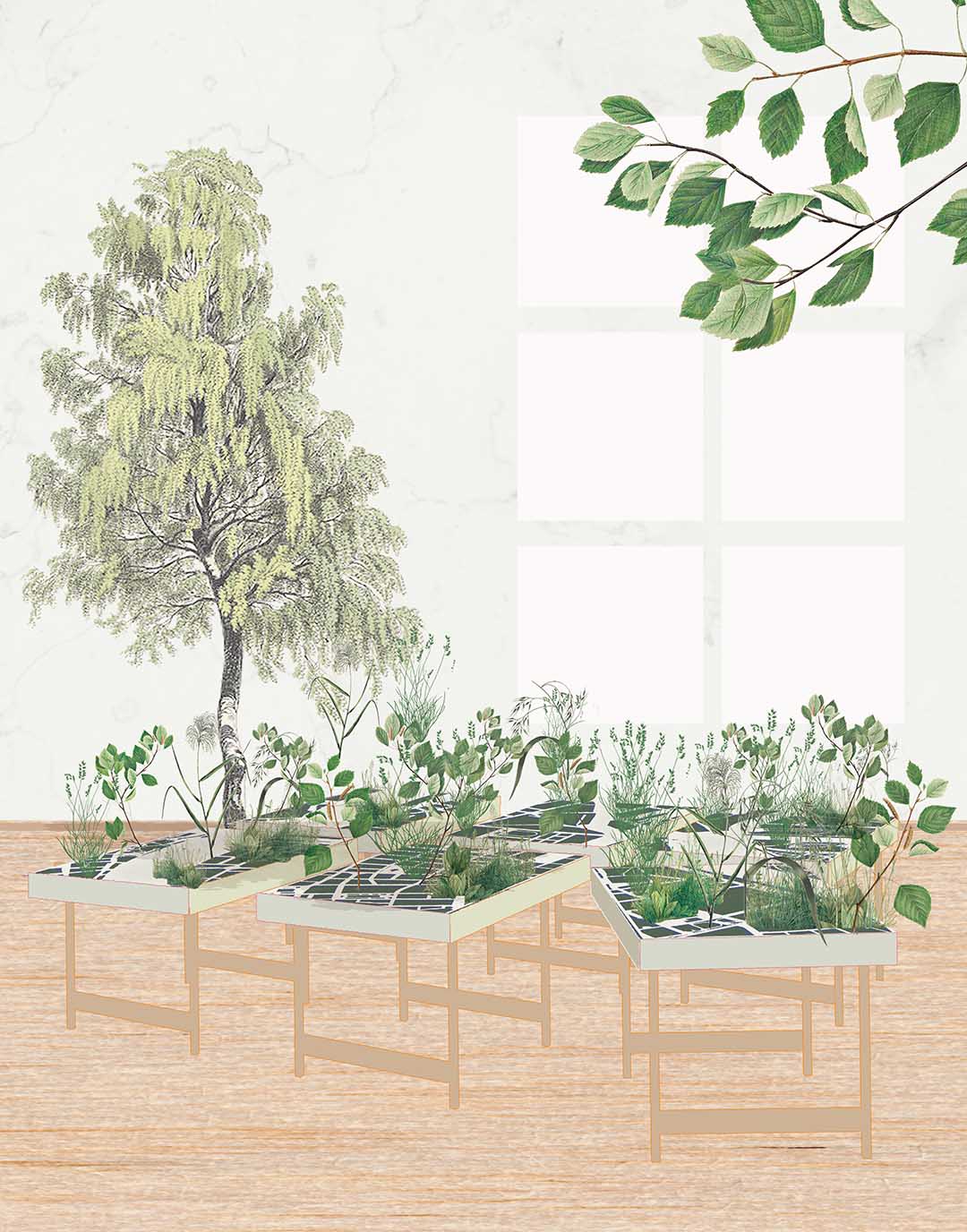
EN   Forum Basel 2050 consists of an exhibition and a series of discussion, which questions the urban development of the agglomeration. It looks back at its modern history and envisions its eventual growth. Three models are used as a tool for discussion and exchange between public officials and visitors of the museum. The first scale-replica shows the city in the sixties, at a tipping point when the townscape started some of its great infrastructural transformations, while the second model displays the current state of affairs and the upcoming developments. The third installation consists of a speculative model looking at the city from a non-human perspective.
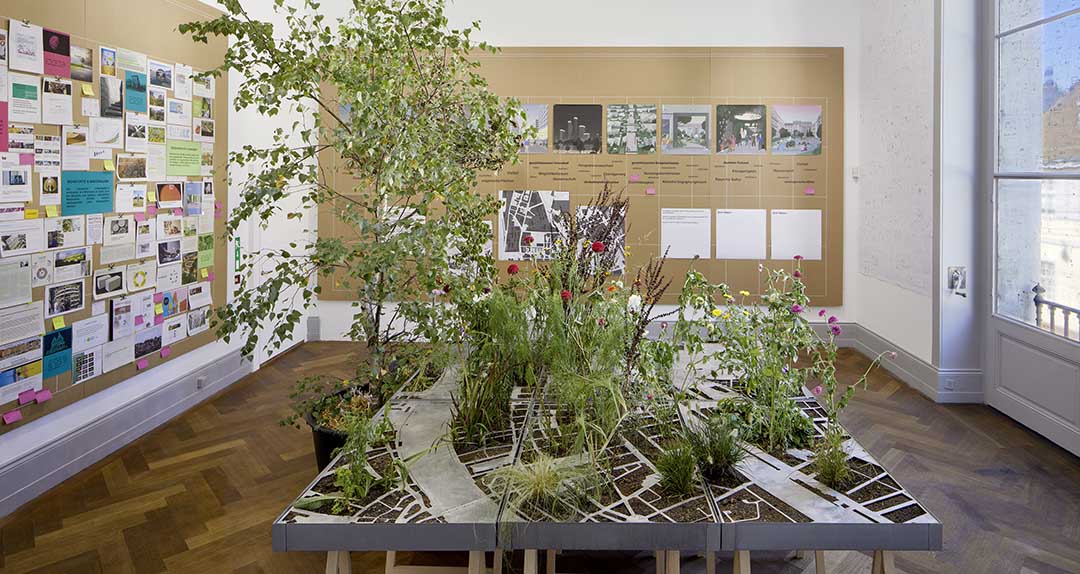
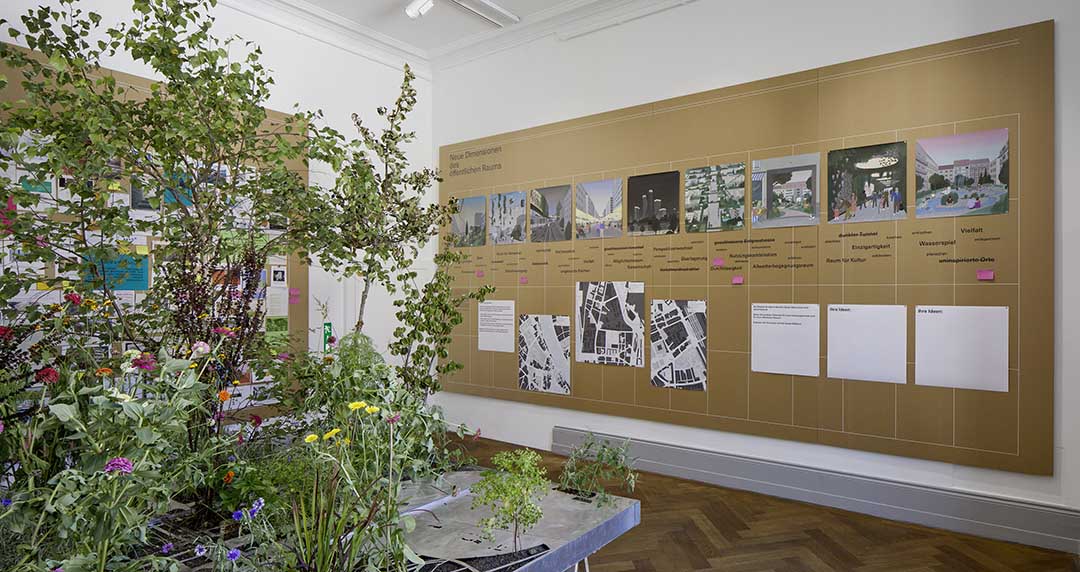
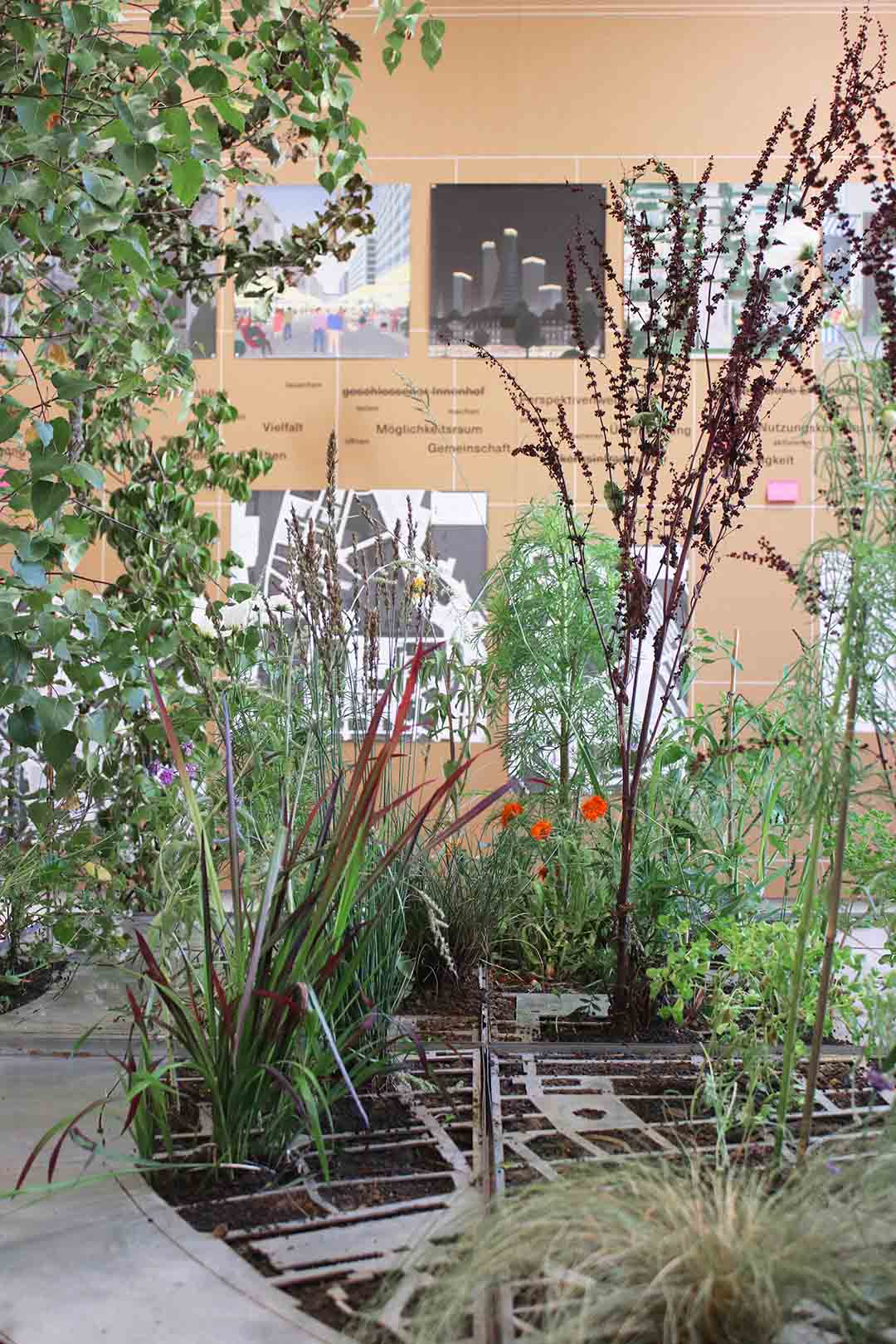
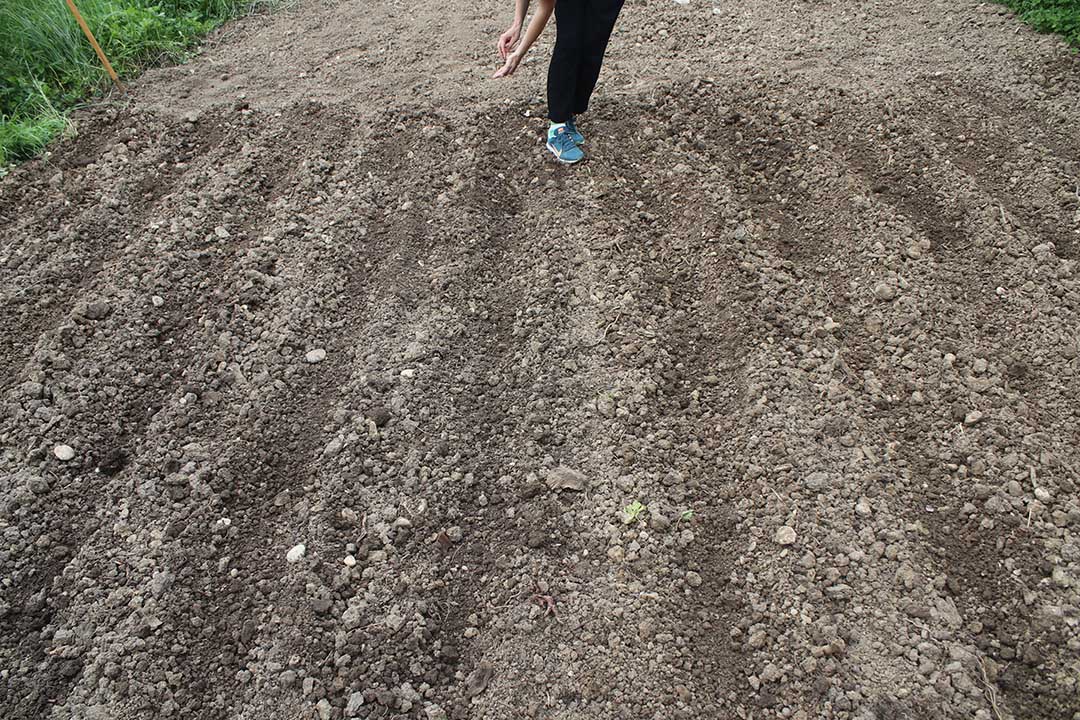
      This “Terra incognita” is conceived as a garden where pioneer plants are taking over the built fabric. Inspired by the plan of Rome from Giovanni Battista Nolli, it makes visible the frame of public space while turning the built fabric into a fertile ground hosting the growth of a third landscape in the sense of the French landscape-architect Gilles Clément. “Terra Incognita” prompts to consider the city as an organic assemble and raises questions about its nature: can a bustling town be designed in a way that it accommodates humans as well as non-humans life forms? Can Basel not only become denser, but also more organic and even cooler?

DE   Das Forum Basel 2050 beleuchtet die städtebauliche Entwicklung Basels von gestern, heute, morgen und übermorgen in Form einer Ausstellung sowie diverser Veranstaltungen. Visuell im Zentrum der Ausstellung stehen drei Stadtmodelle. Das erste Modell zeigt die Stadt Basel im Jahr 1960, als die auf den Autoverkehr fokussierte Verkehrsplanung im Zentrum stand. Das zweite Modell von 2020 bildet den Istzustand mitsamt der bereits geplanten und angedachten Entwicklung ab. Das dritte Modell ist eine sinnliche Zukunftsvision mit Pionierpflanzen, die aus einem Plangerüst eines Kleinbasler Quartier emporwachsen: die „Terra Incognita“.
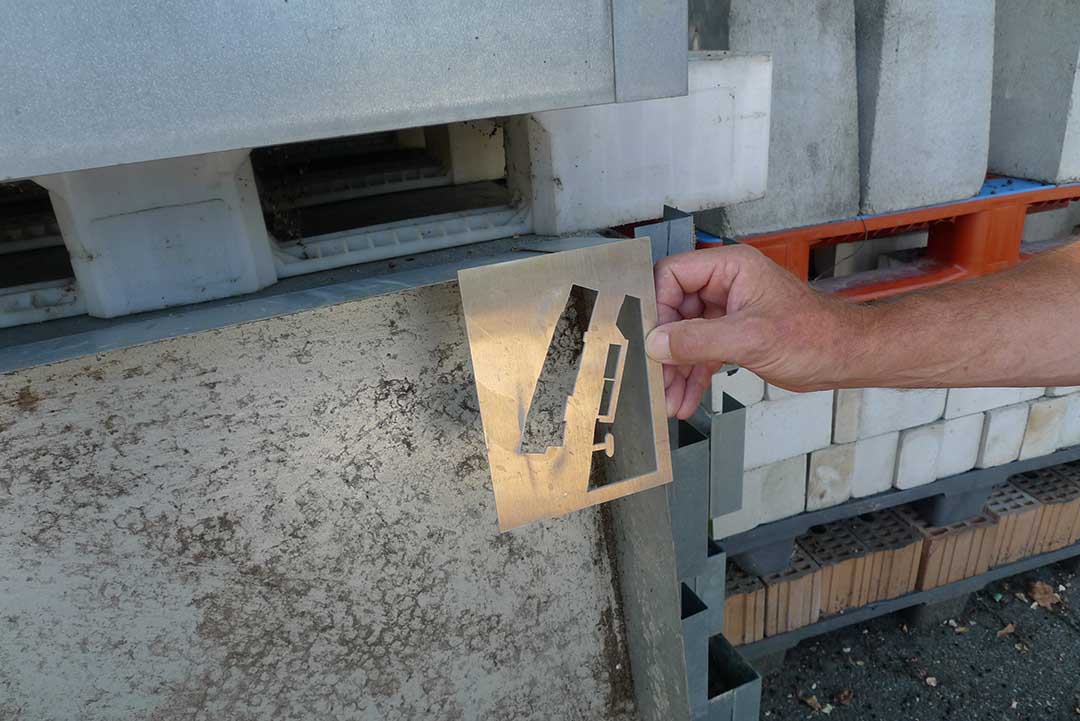
      Bei der „Terra Incognita“ geht es um neue Dimensionen des Stadtklimas. Einen Ausschnitt des Plans von Kleinbasel war dafür ausgewählt und diesen in Anlehnung an Giovanni Battista Nollis Plan von Rom bearbeitet und in dreidimensionalen Kästen umgesetzt. Heute bebaute Flächen sowie künftige Entwicklungen bilden dabei schwarze Zwischenräume, in die Pionierpflanzen gesetzt wurden. Das Modell legt nahe, die Stadt als ein Naturkonstrukt wahrzunehmen und regt so zum Nachdenken über Biodiversität an: Kann die belebte Stadt so gestaltet werden, dass sie auch andere Lebensformen beherbergen kann, biodiverse Vielfaltswelten unterstützt und Kaltluftschneisen entstehen? Kann die Stadt künftig nicht nur dichter, sondern zugleich organischer und somit kühler werden?

Photography SAM / Tom Bisig; curation: Andreas Kofler

→ Read the review “Gedanken säen” by Stephanie Hegelbach in Hochparterre, 12.2020 (German)

Forum Basel 2050 Terra Incognita Swiss Architecture Museum

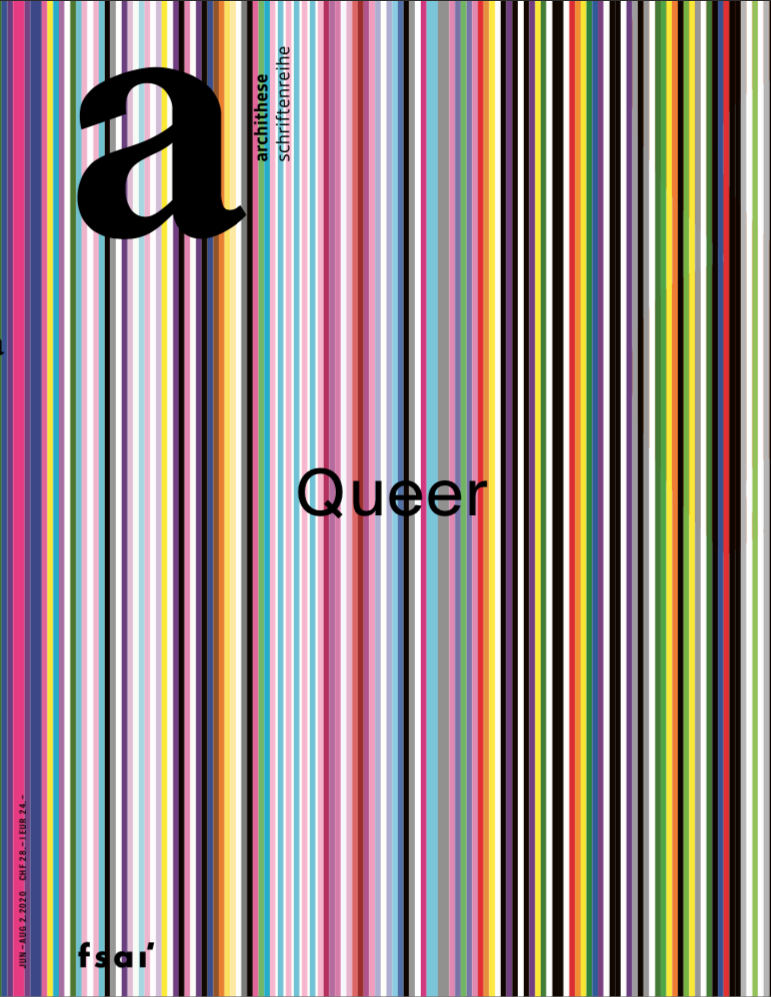
Queer Nature: A Post-Anthropocene View on Plants and People

The Queer Nature project explores the little-known, often-overlooked and rare intimate behavior of the botanical world. Inscribed in “a field that doesn’t quite exist,” it investigates the relationships between ecological thought and queer theory. By presenting the diversity of the vegetable kingdom, it celebrates the multitude of shapes, gender, sexes and colors around us, challenging the belief that matter and intelligence are dissociated.

→ Buy online
→ Read pdf


queer nature archithese